

What Kind of Space Qualifies as a PeerVault Listing in India?
TL;DR :
A space qualifies as a PeerVault listing when three things are true. It is a physical space you have the right to rent out. It can be used for storing items, parking a vehicle, or holding business inventory. And you can describe it honestly, with an exact address, dimensions, photos, price, and access details. Spare rooms, garages, basements, parking spots, shop back rooms, and warehouses all fit. Spaces where someone would live or work, or that you don’t have permission to rent, do not.
Most people who think about renting out space in India don’t have a purpose-built storage facility. They have a spare room that has slowly filled with old suitcases. They have a garage the car doesn’t use, or a godown that only sees action during festival season.
The question is whether any of that counts. This guide answers it using PeerVault’s Terms & Conditions, FAQs, and the listings currently live on the platform. It covers what qualifies, what doesn’t, and what to check before you start.
One caveat first. PeerVault’s team reviews every listing before it goes live, and the platform can remove listings at its discretion. So treat this as a practical guide, not a guarantee of approval.
The short answer : a three-part test
Whether a space is an apartment corner or a 5,000 sq. ft. shed, it has to pass the same three checks.
1. It is yours to offer. You own it, lease it with permission to sublet or share it, or otherwise have the right to rent it out.
2. It is used for storage or parking. Someone will keep things there, not live or work there.
3. It can be described accurately. You can give a real address, real measurements, real photos, and clear terms.
If a space passes all three, it is very likely a good fit. If it fails even one, sort that out before you submit anything.
The three listing categories on PeerVault
PeerVault’s search is organised into three space types: Self Storage, Warehouse, and Car Parking. Your space needs to fit one of them.
1. Self storage
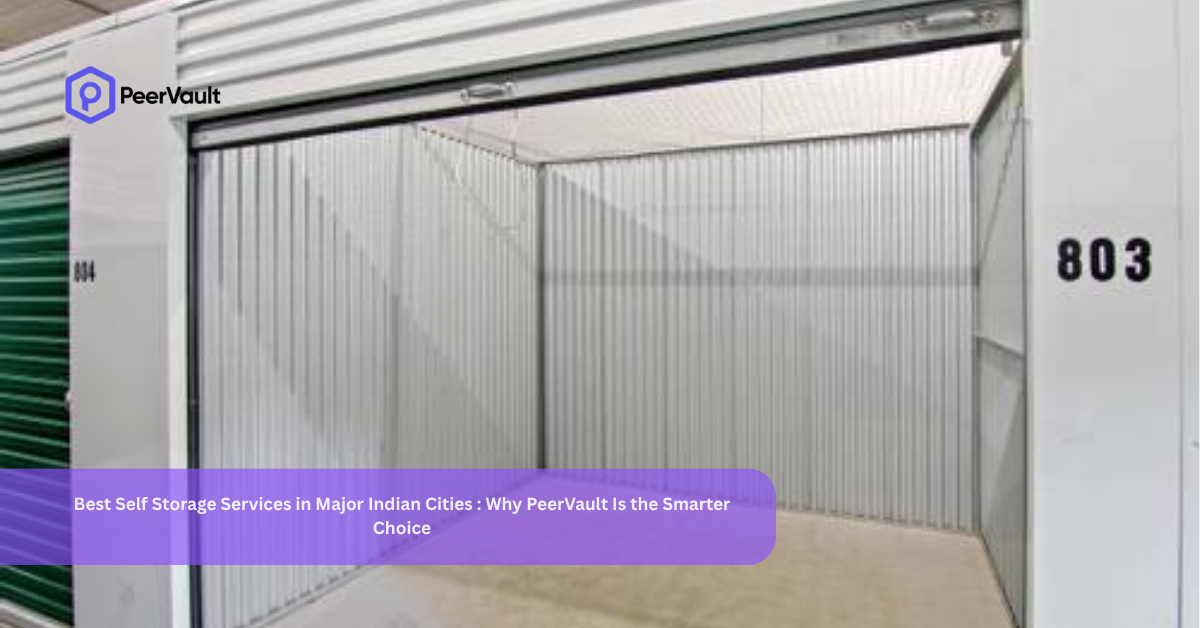
This is the broadest category and the one most first-time hosts fall into. It covers any enclosed, lockable space where a renter can keep belongings. Common examples :
- A spare bedroom or box room
- A garage that isn’t used for a car
- A basement, loft, or store room
- A back room in a shop or a corner of an office
- A room in a farmhouse or an outhouse
Renters typically look for space for household furniture during a house shift, students’ luggage, festival or seasonal items, documents, and small business stock. A listing does not need to be huge. On the homepage, self storage listings run from a 10’x15′ unit in Hyderabad to a 20’x12’x11′ unit in Bengaluru, at very different price points. Size matters less than how well it matches what renters need.
2. Car parking
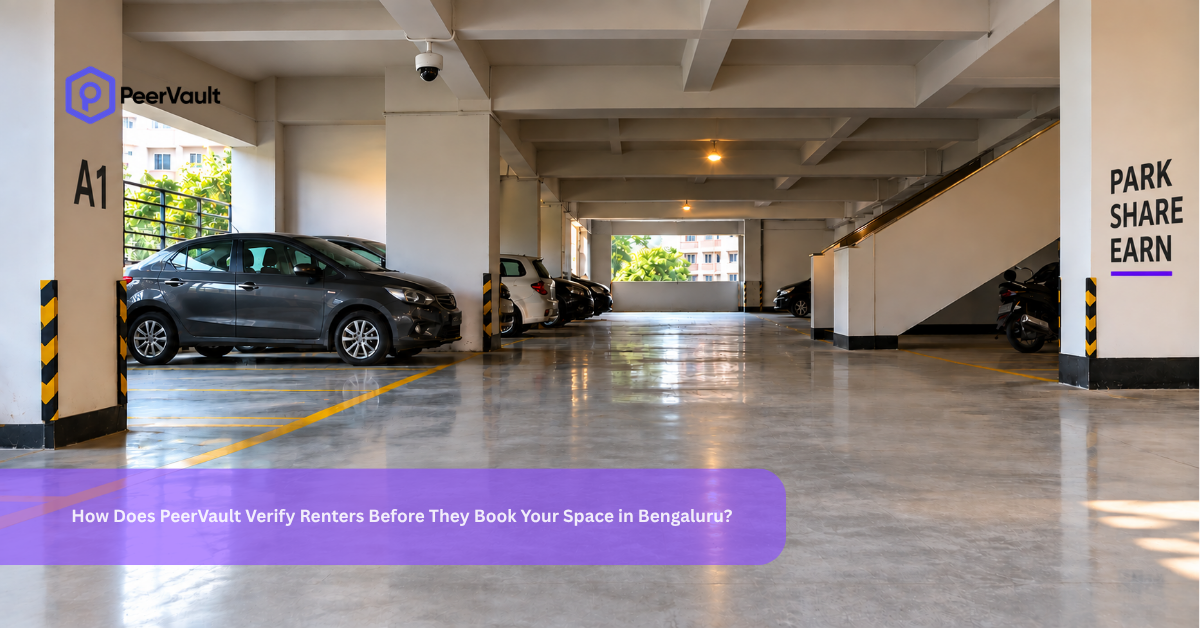
If you have room for a vehicle that you aren’t using, it may qualify. Examples include :
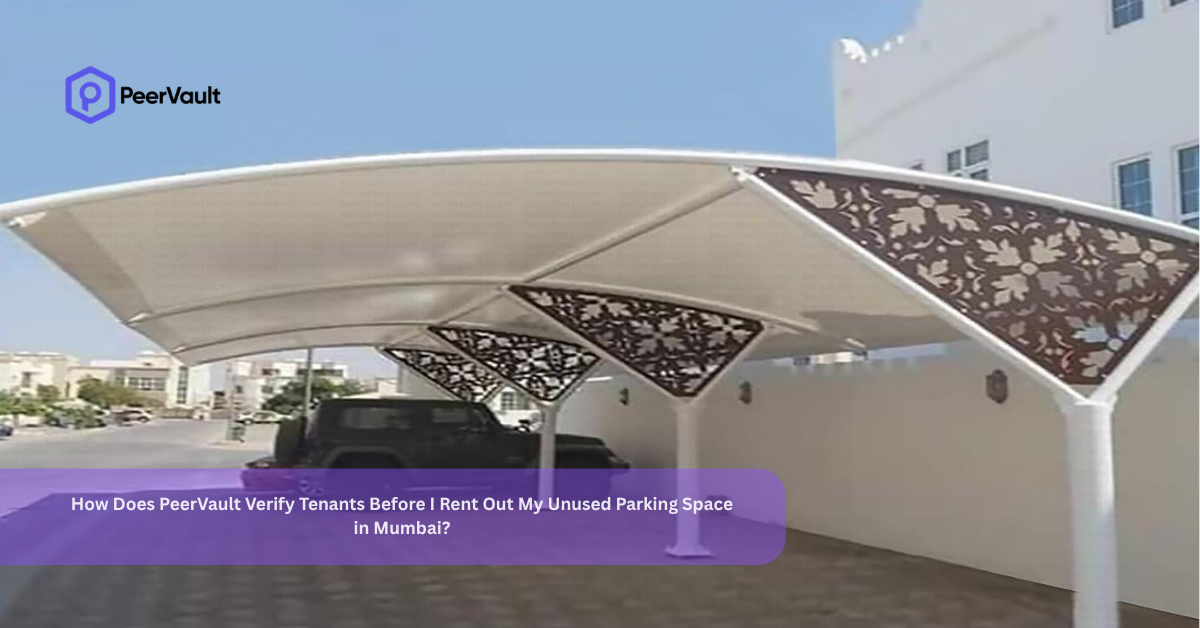
- A driveway or a covered bay
- An unused parking slot you legitimately own
- A section of open land with safe entry and exit
- A compound or yard with space for more than one vehicle
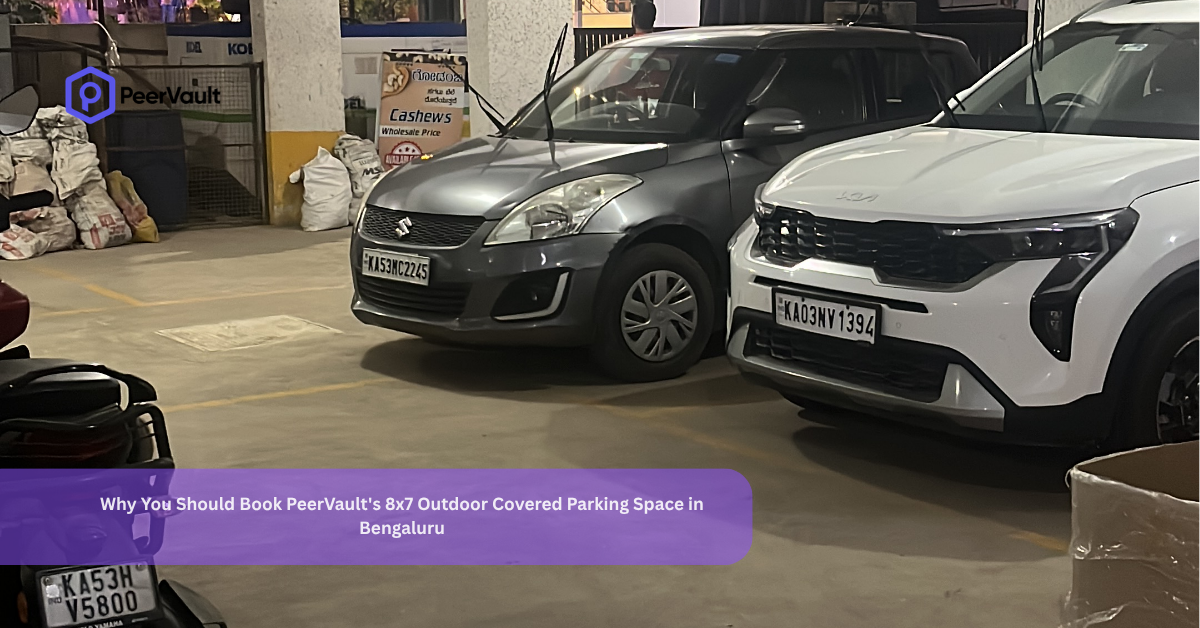
Parking listings are usually described by length and width. The homepage shows examples such as an 18’x8′ spot in Chennai and a 10’x15′ spot in Pune. There is also an 8×7 outdoor covered spot in Bengaluru, which suits smaller cars. Whether the spot is covered or open, and whether it has 24/7 access, are the two details renters ask about most.
3. Warehouse
Warehouse listings are for larger or commercial spaces, and they attract a different renter: e-commerce sellers, wholesalers, traders, and small manufacturers. Current examples on the platform include a 50’x62′ warehouse in Hubballi, a 52’x28′ warehouse in Jaipur, and a 56’x19’x12′ warehouse in Gurugram.
If you have an industrial shed, godown, or unused commercial unit, this is the category. Height, floor type, loading access, and whether the space is indoors matter more here than they do for a spare room.
What every listing needs, whichever category you choose
According to PeerVault’s terms, when you create a listing you are asked for the exact location, dimensions, distinctive features, availability schedule, pricing, and any specific rules or financial terms. Two points come up often.
A valid physical address is mandatory. This is what makes your listing searchable and bookable. The full address is only shared with a renter once a booking is confirmed, but the platform needs it to place your listing correctly.
Your description has to be honest. The terms are firm on this. If the space turns out to be materially different from what you wrote, PeerVault can decide on a refund for the renter. It can also withhold payouts, and in serious cases it can treat the discrepancy as a breach of the terms. A renter is also allowed to reject a space that doesn’t match its description, though moving items in counts as accepting it.
For that reason, measure the space yourself and note anything unusual. If there’s a low beam, a slight slope, or a step at the entrance, say so. It costs you nothing and it prevents disputes.
Ownership and permission : the part people skip
This is the requirement most often overlooked, and in India it deserves extra attention.
PeerVault’s terms place responsibility on the host. You need to hold the ownership, lease, or permissions required to offer the space. Your listing must also not break any agreement with a third party, and it must comply with relevant laws such as zoning, licensing, and property rental rules. The platform is explicit that it doesn’t verify this for you.
In practice, that means checking a few things before you list :
- Rented home: Does your rental agreement allow you to share or sublet part of the property? If in doubt, get your landlord’s written consent.
- Apartment society: Does the society’s bye-laws or managing committee allow outside vehicles or non-residents to access your unit or parking slot? Many stilt and basement parking areas are common property, or come with conditions.
- Commercial or industrial premises: Does your lease or zoning permit third-party storage? A shop lease, for example, may restrict how the space can be used.
- Shared ownership: If the property is jointly owned or a family asset, are all relevant people comfortable with outsiders storing items there?
The rules vary by city and state, so this is a point where a short conversation with your landlord, society, or a local property lawyer is worth it. This article is general information, not legal advice.
What does not qualify
Some things look like listings but aren’t, and it’s better to know now.
Spaces meant for living or working. PeerVault does not allow renters to live or work inside storage spaces. Listings are meant solely for storing items. The FAQ points out that allowing someone to live or work inside a listing voids protections such as the Host Guarantee and Payout Protection, and it goes against the Terms of Service. So a room that would be used as an office, workshop, studio, or sleeping space isn’t a fit.
Spaces without a physical address. If there’s no valid address, the listing can’t be placed or booked.
Spaces you can’t legally rent out. This covers anything you don’t own or have permission to share, as above.
Spaces that can’t keep items reasonably safe. The terms expect hosts to use available security measures to protect stored items. A space with an unlockable door, heavy leaks, or open access to strangers is unlikely to work well, even if it technically appears on a map.
Your space sets the rules on what can be stored
Even a perfect space has limits on what goes into it. PeerVault’s terms prohibit storing explosives, fuels, hazardous materials, pesticides, waste, firearms, ammunition, illegal substances, stolen goods, perishable or spoiled food, and animals, whether living or deceased. Infested or mouldy items, and anything that gives off strong fumes or odours, are also not allowed. Renters also cannot smoke inside the space, do maintenance on stored items, or use the space as a mailing address.
For hosts, this is useful. It means the listing is for stored belongings, not activity. You can add your own rules to the listing too, for example about how items should be arranged, access times, or handling of large items. Renters are expected to follow the host’s instructions on placing items.
Physical condition : what makes a space genuinely rentable
Passing the policy test is one thing. Being a space people actually want to book is another. These are the practical points that separate listings that get inquiries from those that don’t.
- Dry and weatherproof. India’s monsoon is the main enemy of stored items. Look for damp patches, leaking roofs, and walls that sweat. A space that stays dry through July is a real selling point.
- Lockable. A door that locks properly is the baseline. A separate lock for the renter’s area adds confidence.
- Clean and pest-free. Sweep it out and check for termites, rats, and cockroaches before photos and before every new renter.
- Easy to reach. Think about stairs, narrow lanes, low doorways, and lift access. If a sofa can’t get through the door, a renter will find out too late.
- Reasonable light and ventilation. Not every space needs power, but a bulb and some airflow make a difference.
- Clear access arrangements. Renters typically need to arrange access with the host, and the terms mention at least 24 hours’ notice unless you agree otherwise. Say in your listing whether access is flexible or by appointment.
Borderline cases
These are the ones people ask about most. The answers below are typical, but your final listing is subject to PeerVault’s review.
Space | Typically qualifies? | What to check |
Spare bedroom or box room | Yes | Lockable, dry, not lived in by the renter |
Garage | Yes | Clear floor space, safe access |
Basement or loft | Yes, if practical | Dampness, stairs, ventilation |
Society parking slot | Depends | Ownership of the slot, society approval for outside vehicles |
Open plot for parking | Yes, if legally yours | Safe entry, boundary, lighting |
Shop back room or office corner | Yes, if your lease allows | Lease terms, shared access with staff |
Godown or warehouse | Yes | Height, loading access, roof condition |
Terrace or open roof | Depends | Weather exposure, load-bearing, item type |
Room a renter could use as an office | No | Storage only, no working or living inside |
Space in a rented flat without landlord consent | No | Get written permission first |
A short checklist before you submit a listing
Here is a quick pre-flight list.
1. Confirm you have the right to rent it out (ownership, lease, or written permission).
2. Measure length, width, and height in feet, and note any restrictions on door size.
3. Take clear, well-lit photos of the entrance, the interior, and the access route.
4. Check the space for damp, pests, and security.
5. Decide your availability and how much notice you need for access.
6. Set a price. PeerVault lets you set your own rate, and price suggestions based on your area and space type are available if you’re unsure.
7. Write a plain, honest description. Mention limits and features.
8. Have valid bank details ready. Hosts need them for payouts, and PeerVault pays out space fees at the end of each monthly period.
After you submit, the PeerVault team does a quick review and then the listing goes live. Once bookings start, hosts are expected to respond within 24 hours. If you don’t, the request is automatically declined and the renter is refunded.
Common mistakes that trip up new hosts
Describing the space as bigger or better than it is. It might attract a first booking but it invites disputes and bad reviews.
Ignoring the rules on off-platform payments. All transactions must go through PeerVault. Asking renters to pay you directly can lead to account termination and financial penalties, as the terms describe.
Forgetting about tax. You are responsible for understanding your tax obligations, and the terms say PeerVault doesn’t provide tax advice. How rental income is treated depends on your situation, so speak to a chartered accountant.
Skipping renter requirements. You can ask renters to meet criteria such as a verified profile photo, a linked social account, or a verified phone number. Setting these up front is easier than solving a problem later.
Treating a “maybe” as a “yes”. If you aren’t sure whether your society, landlord, or lease allows it, find out first.
Frequently asked questions
Do I need to own the space to list it?
Not necessarily. You need ownership, a lease, or permission that gives you the right to rent it out, and the listing must not breach any other agreement. If you rent your home, get consent in writing.
Is there a minimum size?
The terms don’t set one. Listings on the platform range from small covered parking spots to large warehouses of several thousand square feet. What matters is that the size is described accurately.
Can I list a commercial space or warehouse?
Yes. Warehouse is one of the three main categories, and business storage is a core use case. Confirm your lease and local zoning allow it.
Can a renter live or work in my space?
No. PeerVault does not allow it. Listings are for storing items only, and allowing otherwise voids important protections.
How long does approval take?
PeerVault describes it as a quick review by its team, after which the listing goes live. No fixed timeline is published, so build in some flexibility.
Can I set my own price and rules?
Yes. You set the rate and can add rules to the listing, such as access times and item placement. Price suggestions are available if you’d like a reference point.
What happens if PeerVault doesn’t approve my listing?
The platform can remove or restrict any listing at its discretion, for example if it’s inaccurate, breaks the terms, or breaches applicable law. Fix the issue and contact support if you need clarification.
The bottom line
A space qualifies as a PeerVault listing when it is legitimately yours to rent, it’s used for storing things rather than living or working, and you can describe it truthfully. Beyond that, the type of space matters less than you’d think. A tidy 8×7 parking spot and an 82’x100′ warehouse both qualify as long as the basics are right.
If you have a space in mind and you’ve ticked off ownership, condition, and description, the next step is simple. Create your account, add your address, dimensions, and photos, and submit it for review.
Not sure if your space qualifies as a PeerVault listing? Contact Us and the team will help you check before you list.