How Much Does It Cost to Rent a Small Warehouse in Ghaziabad, and How Does PeerVault Help?
TL;DR
- Small warehouse rent in Ghaziabad is usually quoted per square foot per month, and the final bill depends on location, building quality, size, power, and lease terms.
- Monthly rent is just one piece of your total warehouse bill. Security deposit, maintenance, electricity, GST, brokerage, labour, and insurance can add up quickly.
- Traditional leases often mean large deposits, 11-month or longer commitments, and space bigger than a small business needs.
- PeerVault connects people who need storage with hosts who have spare space, so you can rent flexibly, compare listings, and pay only for the space you need.
- Always visit or verify a space, confirm all charges in writing, and compare at least three options before booking.
Why Ghaziabad Is a Popular Choice for Small Warehouses
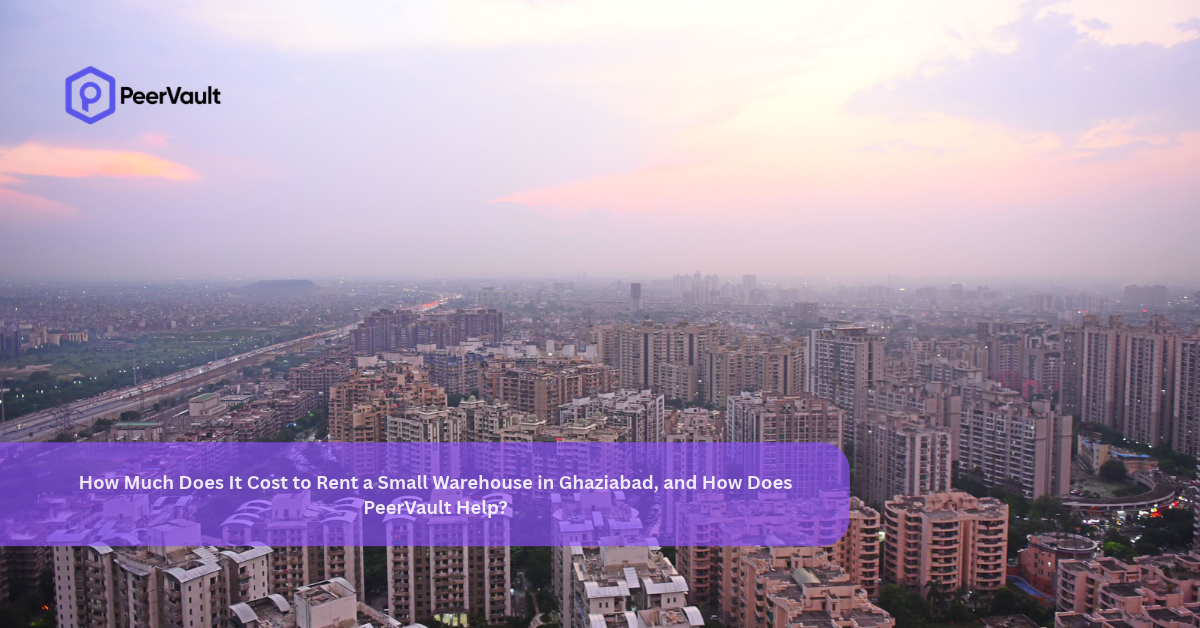
Ghaziabad sits right next to Delhi, Noida, and the Delhi-Meerut corridor. That position makes it one of the most practical places in the NCR for businesses that need to store goods and ship them quickly. Online sellers, wholesalers, traders, small manufacturers, and distributors all use the city for stock storage because they can reach Delhi, Noida, Meerut, and nearby markets without paying Delhi-level rents.
The city has several established industrial and logistics belts, including areas around Sahibabad, Loni, Meerut Road, Mohan Nagar, and Dasna. Each has its own pricing, road access, and type of building stock. If you are new to the market, expect noticeable differences in rent from one belt to another, even within a few kilometres.
For most small businesses, location is the easy part. The harder questions are what a small warehouse will really cost and how to avoid paying for space they never use.
What Counts as a “Small” Warehouse?
There is no official definition, but in practice a small warehouse is anywhere from a few hundred square feet up to about 3,000 to 5,000 square feet. This range suits:
- E-commerce sellers storing inventory for Amazon, Flipkart, or their own websites
- Traders holding seasonal or excess stock
- Small manufacturers who need space for raw material or finished goods
- Event and furniture businesses storing equipment between jobs
- Startups testing a market before signing a bigger lease
A smaller footprint matters because large industrial warehouses are often leased in big blocks. A business that needs 800 square feet can end up paying for 5,000 simply because that is what is on offer.
What Decides Warehouse Rent in Ghaziabad?
When you ask a landlord or broker for a price, the number you hear depends on several factors.
1. Location and road access. Spaces on or near main roads, expressways, and the Delhi border generally cost more than spaces deeper inside industrial pockets. Easy truck access is worth paying for if you ship daily.
2. Building type. A modern, purpose-built warehouse with a pucca structure, proper flooring, and good ventilation costs more than an old shed or converted godown. Tin-shed structures tend to be cheaper but can be hot in summer and risky during monsoon.
3. Size of the space. Per-square-foot rates often fall as space gets bigger, but small tenants may face a minimum area requirement. Very small spaces can sometimes carry a higher rate per square foot.
4. Clear height and loading facilities. Higher ceilings allow racking and better storage density. Loading docks, wide doors, and truck turning space also push rent up.
5. Power, water, and utilities. A warehouse with a reliable power connection, backup options, and water access is more valuable. Check whether electricity is billed at commercial or industrial rates.
6. Security. Boundary walls, gates, CCTV, and guards add cost, but they protect your stock.
7. Lease length and flexibility. Short-term and flexible agreements often cost more per month than a long lease, but they save you from paying for months you do not use.
How Warehouse Rent Is Quoted
Most listings quote rent as an amount per square foot per month. To estimate your monthly rent, multiply that rate by the area you need. A few points to keep in mind:
- Verify if the area is carpeted or built-up. Built-up area includes walls and common spaces, so you may be paying for space you cannot use.
- Ask whether the quoted rent is inclusive or exclusive of maintenance and taxes.
- Check whether open yard or parking space is included or charged separately.
- Ask about annual rent escalation, which is commonly built into longer leases.
Rates change with the market, so always get current quotes. Treat any figure you see online, including in blog posts, as a starting point rather than a final price.
The Hidden Costs Most People Forget
Rent is rarely the complete picture. Budget for these as well:
- Security deposit : Commercial and industrial landlords commonly ask for several months of rent upfront. For a small business, this ties up working capital.
- Maintenance charges : Some landlords charge a separate monthly fee for upkeep, common areas, or security.
- Electricity and water : Billed on actual use or as a fixed charge, depending on the arrangement.
- GST : Rent on commercial property may attract GST depending on the landlord’s registration status. Ask upfront.
- Brokerage : Brokers often charge a fee equal to a month or more of rent.
- Stamp duty and registration : These can apply to longer lease agreements.
- Labour and handling : Loading, unloading, and stock management add to monthly costs.
- Insurance : Insuring your stock is smart, and some landlords require it.
- Fit-out costs : Shelving, racking, lighting, or repairs may fall on you.
A Simple Worked Example
The numbers below are purely illustrative and are not real market rates. They show how costs stack up.
Suppose you need 1,000 square feet and the quoted rate is ₹20 per square foot per month.
- Base rent: 1,000 × ₹20 = ₹20,000 per month
- Maintenance: ₹2,000 per month
- Electricity and water: ₹3,000 per month
- Estimated monthly cost: about ₹25,000
Now add the upfront costs. If the landlord asks for a three-month deposit, that is ₹60,000 locked away, plus a possible brokerage fee. Your first month can easily cost more than three times the monthly rent.
If you only needed the space for four months of festival stock, a long lease would also leave you paying for months you never use. This is where flexible renting makes a real difference.
Why Traditional Warehouse Leasing Is Hard for Small Businesses
Traditional leasing was built for large, stable tenants. Small and growing businesses often run into the same problems:
- Large deposits that drain cash flow
- Long lock-in periods, commonly 11 months or more
- Oversized spaces that force you to pay for empty floor area
- Brokers and middlemen who add cost and slow down decisions
- Limited transparency, with unclear charges that only appear after you commit
- Slow search, since good small spaces are rarely advertised in one place
For a seller who just needs space for seasonal stock, or a startup testing demand, these terms are a poor fit.
How PeerVault Helps
PeerVault is a peer-to-peer marketplace that connects people who need storage with hosts who have spare space. Instead of searching through brokers and signing a one-size-fits-all lease, you can browse listings, compare options, and rent the space that suits your needs.
Here is how that helps with the cost problem:
Pay for the space you need. Hosts can list part of a warehouse or a small unit, so you are not forced into a large block. If you need 300 or 800 square feet, you can look for exactly that.
More flexibility. Renting for a few months, rather than committing to a long lease, helps seasonal sellers and startups avoid paying for idle space.
Direct access to hosts. Dealing with the space owner directly can reduce the layers of brokerage and make terms easier to discuss.
Easier comparison. Seeing multiple listings in one place makes it simpler to compare size, location, and features before you decide.
A way for hosts to earn. If you own a warehouse or unused commercial space in Ghaziabad, listing it on PeerVault turns idle floor area into rental income.
Terms such as pricing, deposits, and availability vary by listing, so always read each listing’s details and confirm the final terms with the host before booking.
How to Rent a Warehouse Through PeerVault
1. Search by city and area. Look for storage listings in Ghaziabad and note the localities that suit your delivery routes.
2. Compare listings. Check size, price, access, security, and what is included.
3. Contact the host. Ask about charges, timings, access rules, and what you can store.
4. Verify the space. Visit in person if you can, or ask for clear photos and details.
5. Confirm terms in writing. Make sure rent, deposit, notice period, and any extra charges are documented.
6. Move in and store. Keep a record of your stock and the condition of the space on day one.
A Checklist Before You Book Any Warehouse
Whether you rent through PeerVault or anywhere else, run through these questions first:
- Is the quoted area built-up or usable space?
- Are maintenance, electricity, and taxes included in the rent?
- What is the deposit, and how and when will it be reimbursed?
- What is the notice period if you want to leave early?
- Can trucks and tempos reach the entrance easily, including during rain?
- Is there a reliable power supply and water access?
- What security is in place, such as gates, CCTV, or guards?
- During the rains, is the floor dry and the roof free of leaks?
- Are there restrictions on the type of goods you can store?
- Is the space legal to use for commercial storage?
Smart Ways to Reduce Your Warehouse Cost
- Rent only what you need. Measure your stock volume and add a small buffer instead of guessing high.
- Use vertical space. Racking can double your usable storage without increasing rent.
- Go short-term for seasonal stock. Do not hold a year-long lease for a three-month rush.
- Compare at least three options. Prices can vary widely for similar spaces.
- Negotiate bundled charges. Ask whether maintenance and utilities can be fixed or included.
- Choose location by need. If you ship rarely, a cheaper, less central spot may work well.
- Clear slow-moving stock. Old inventory takes up paid space.
Frequently Asked Questions
Can I rent a warehouse in Ghaziabad for just a few months?
Yes, many hosts and platforms offer flexible durations, though the monthly rate may be higher than a long lease. Always confirm the minimum term.
Is a security deposit always required?
Most landlords ask for one, but amounts and terms vary. Confirm it in writing, along with the refund process.
Do I need a GST registration to rent a warehouse?
That depends on your business and the landlord. Ask both the host and your accountant about GST on rent.
What can I store in a rented warehouse?
This is contingent upon the space and the host. Perishable, hazardous, or restricted goods may not be allowed, so check before moving in.
Can I list my own warehouse on PeerVault?
Yes. If you have unused commercial or storage space, you can list it and earn rent from people who need it.
Final Thoughts
Renting a small warehouse in Ghaziabad is cheaper and more convenient than many people expect, but only if you understand what you are paying for. Look beyond the headline rent, ask about every charge, and match your lease length to your actual business needs.
For small sellers, startups, and seasonal traders, flexible and right-sized space often makes more financial sense than a rigid traditional lease. That is where PeerVault can help, by letting you find and compare storage options directly, and by giving space owners a simple way to earn from unused room.
Ready to find space? Browse Ghaziabad storage listings on PeerVault, compare your options, and rent only what your business truly needs.
Contact Us to List Your Space in Ghaziabad
Popular Posts

How Do I List My Garage or Driveway in Itanagar on PeerVault?