

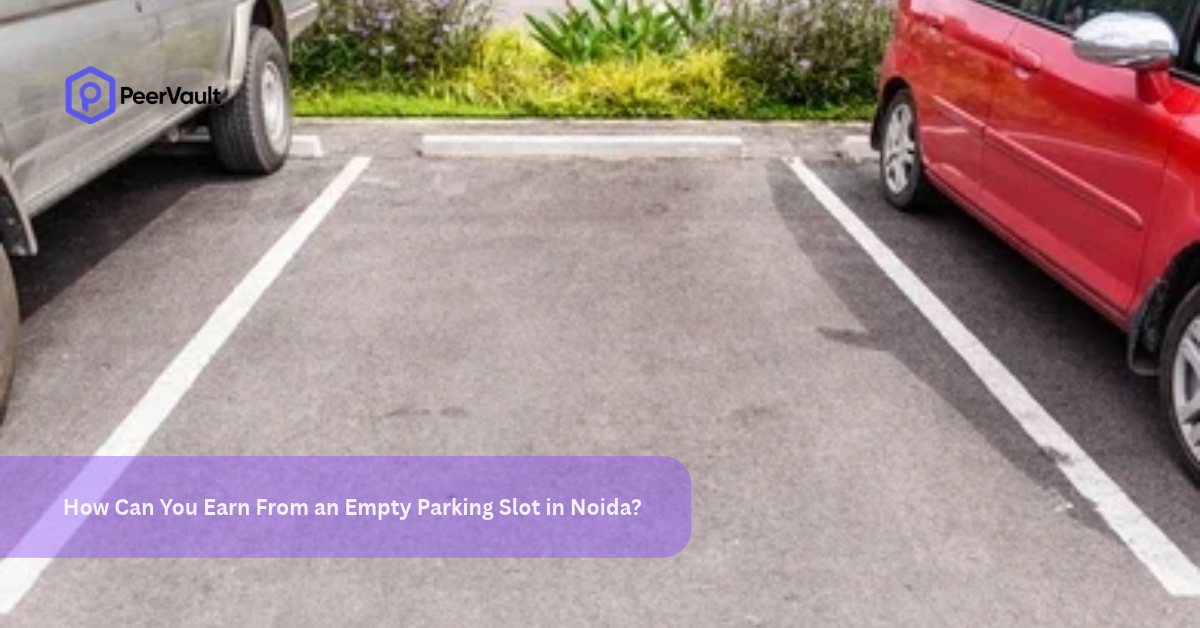
How Can You Earn From an Empty Parking Slot in Noida?
TL;DR:
If you have an unused parking slot, driveway, garage, or other suitable parking area in Noida, you may be able to earn monthly income by renting it to someone who needs a place to park. The amount depends on the location, size, accessibility, security, and local demand. PeerVault allows eligible space owners to list unused parking spaces and connect with people looking for parking.
An empty parking slot may look like a small unused part of your property, but in a busy city such as Noida, it can have practical value. Instead of leaving the space unused, property owners can consider renting it to someone who needs regular parking.
PeerVault is a peer-to-peer platform covering car parking, self-storage, and warehouse space. Owners can list suitable unused spaces, while people looking for parking or storage can search for available options.
Why Can an Empty Parking Slot Be Useful in Noida?
Finding convenient parking can be difficult around residential communities, offices, commercial areas, markets, and transport hubs.
A person may live in an apartment without an additional parking space. An employee may need somewhere to leave a car during working hours. A tenant may need monthly parking but may not want to pay for a larger commercial parking facility.
This creates an opportunity for people who have unused parking space.
For example, a homeowner may have:
- An unused parking slot
- An empty driveway
- A covered parking area
- A suitable portion of private property
- An unused garage
- An open area that can safely accommodate a vehicle
However, the space should be legally available for renting and suitable for parking.
How Can You Earn From an Empty Parking Slot in Noida?
The basic idea is simple: list the unused space, set suitable terms and pricing, connect with an interested renter, and rent the space according to the agreed arrangement.
PeerVault’s current platform includes car-parking listings, including a Noida listing displayed at ₹2,000 per month. This is an example of a current listing, not a guaranteed market rate or income expectation.
Your actual earning can be different because parking prices depend on several factors.
What affects the parking price?
The following can influence how much someone may be willing to pay:
- Location: Parking near offices, metro stations, markets, and busy residential areas may attract stronger demand.
- Accessibility: Easy entry and exit make a space more useful.
- Security: Gated or secure parking can be more attractive.
- Covered or open: Covered parking can offer protection from weather.
- Parking size: The space should comfortably accommodate the intended vehicle.
- Access hours: 24-hour access may be more convenient than restricted access.
- Availability: Monthly or longer-term availability can appeal to regular commuters and residents.
So, there is no single amount that every parking-space owner in Noida can earn.
How Do You List a Parking Space on PeerVault?
Listing a parking space should start with accurate information rather than simply adding a price.
1. Check whether you can rent the space
Before listing, make sure you have the right to rent the parking area.
If the space belongs to a housing society, apartment complex, landlord, or another property owner, check the applicable rules and obtain permission where required.
This is particularly important for apartment parking because society rules may restrict renting spaces to outsiders.
2. Measure the parking area
Mention the approximate length and width of the parking space.
This helps a potential renter understand whether their vehicle will fit.
PeerVault’s listings show parking spaces using dimensions, such as length and width, so providing accurate measurements can make a listing clearer.
3. Take clear photographs
Good photographs can answer many questions before someone contacts you.
Consider showing:
- The complete parking area
- Entry and exit
- The surrounding area
- Any gate or security arrangement
- The distance between the parking space and the main road
Avoid using misleading photographs or images that do not represent the actual space.
4. Mention important details
A useful listing should clearly explain:
- Exact locality
- Parking dimensions
- Covered or open parking
- Type of vehicle suitable
- Available timings
- Security arrangements
- Monthly price
- Any access restrictions
- Availability period
Clear information can reduce unnecessary enquiries and help the right renter decide faster.
What Type of Parking Space Can You List?
Not every empty patch of land is automatically suitable for parking.
PeerVault identifies several types of parking spaces that may qualify, including driveways, covered bays, unused parking slots that you legitimately own, and suitable open areas with safe entry and exit.
For example, an unused driveway beside a house could be useful if a car can enter and leave without blocking the owner’s property or a public pathway.
Likewise, a covered parking bay may be attractive to someone looking for protection from sun and rain.
The key point is usability and permission, not simply having an empty area.
Who Might Rent a Parking Space in Noida?
Different people may need parking for different reasons.
Potential renters could include:
- Office employees who commute by car
- Residents who have an extra vehicle
- Tenants without an assigned parking space
- People living in nearby buildings
- Small business owners
- Visitors who need longer-term parking
- Vehicle owners looking for monthly parking
Understanding the likely renter can also help when writing the listing.
For example, a parking space near an office area can be described around commuter needs, while one near a residential neighbourhood may be more suitable for residents.
How Can You Make Your Noida Parking Listing More Attractive?
You don’t necessarily need to spend money improving the space. Small improvements to the listing can make a difference.
Keep the area clean. Remove unnecessary objects and make the available space obvious.
Give accurate measurements. Don’t make the parking area appear larger than it is.
Explain access clearly. Tell renters whether they can enter early in the morning, late at night, or throughout the day.
Mention security honestly. If the area is inside a gated property, say so. Don’t claim security features that don’t exist.
Use recent photographs. Images should represent the current condition of the parking area.
Price reasonably. Compare similar parking options in the area before deciding on a monthly amount.
Is Renting Out a Parking Slot Better Than Leaving It Empty?
If the parking space is genuinely unused and you are legally permitted to rent it, earning from it can be more useful than leaving it vacant.
The benefit is not only financial. It can also solve a practical problem for someone nearby who is struggling to find convenient parking.
However, renting is not completely passive. You may need to communicate with the renter, coordinate access, maintain the space, and deal with occasional questions.
It is therefore worth considering whether the expected income is worthwhile for the amount of involvement required.
What Should You Check Before Renting Your Parking Space?
Before accepting a renter, check the practical details carefully.
Permission: Confirm that you are allowed to rent the space.
Vehicle access: Make sure the vehicle can enter and exit safely.
Security: Understand who can access the property and when.
Rules: Clearly state what is allowed and what is not.
Payment terms: Agree on the monthly price and payment schedule before the arrangement begins.
Availability: Be honest about whether the space is available continuously or only during particular hours.
These simple checks can prevent misunderstandings later.
Can a Small Parking Space Really Generate Income?
Yes, a parking space can generate income if there is someone willing to pay for access to it. But the amount should never be presented as guaranteed.
PeerVault’s own current listings demonstrate that parking prices vary considerably by location and space. For example, its homepage currently displays a Noida car-parking listing at ₹2,000 per month alongside parking listings in other cities at different prices.
That difference is important: the earning potential of a parking space depends on the individual location and its features.
Instead of assuming a fixed income, compare similar spaces and consider what makes your parking location useful.
Frequently Asked Questions
Can I list my unused parking slot in Noida on PeerVault?
If you have the legal right to rent the space and it meets the platform’s requirements, you can consider listing it on PeerVault. If the parking space is governed by apartment or society rules, check those rules before listing.
How much can I earn by renting a parking space in Noida?
There is no fixed amount.
The rental price can vary based on the location, local demand, space size, security, ease of access, and whether the parking area is covered. Current PeerVault listings should be treated as examples rather than guaranteed earnings.
Do I need a large property to earn from parking?
No. A single suitable parking slot, driveway, or covered bay may be useful to someone looking for parking, provided you have permission to rent it.
Can tenants list a parking space?
Only when they have permission or the legal right to rent it. Tenants should check their rental agreement and obtain the owner’s approval where necessary.
What should I include in my parking listing?
Include the location, dimensions, photographs, access details, security information, vehicle type, availability, and monthly price. The more accurately you describe the space, the easier it is for renters to decide whether it suits them.
Turn an Unused Parking Space Into a Useful Asset
An empty parking slot doesn’t have to remain unused. In a growing city like Noida, a well-located and accessible parking space may be valuable to someone nearby.
The sensible approach is to check your permission, understand local demand, price the space realistically, and create an honest listing.
PeerVault provides a platform where eligible owners can list unused parking and connect with people looking for parking space.
Have questions? Visit the PeerVault FAQs for more information.
Have an unused parking space in Noida? Contact Us to explore listing it on PeerVault.
Content note: Parking availability, pricing, society rules, and permissions can vary by location. Check the applicable property or society rules before renting a space.
This approach follows Google’s current people-first guidance: content should provide original value, demonstrate appropriate experience or expertise, be accurate, and be created primarily to help readers rather than simply to attract search traffic. Google also states that there is no preferred word count, so the article focuses on answering the actual question rather than padding the page to a target length.
Popular Posts
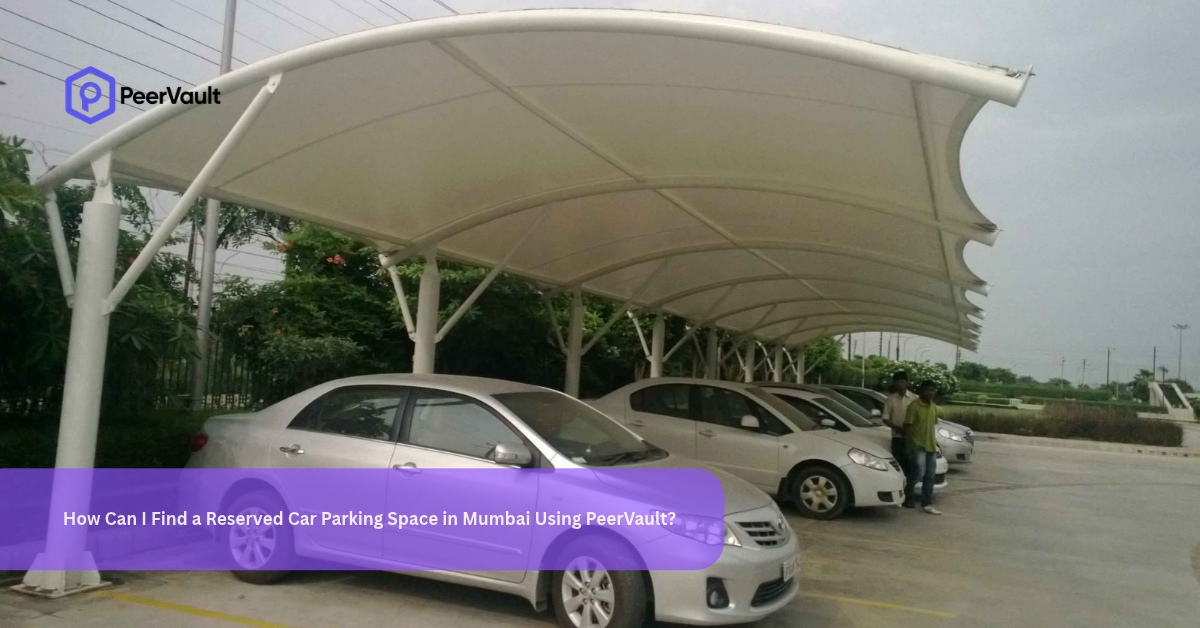
How Can I Find a Reserved Car Parking Space in Mumbai Using PeerVault?