

Best Self Storage Services in Major Indian Cities : Why PeerVault Is the Smarter Choice
TL;DR :
Homes in Indian metros are getting smaller and pricier, so more people need flexible, nearby storage. PeerVault.in is a peer-to-peer platform that connects renters with hosts who have spare rooms, garages, warehouses or parking spots. It covers Mumbai, Delhi, Bengaluru, Hyderabad, Chennai, Ahmedabad and other cities.
Its main strengths :
- Convenient locations : search by city, neighbourhood or zip code.
- Variety : self storage, warehouses and car parking on one platform.
- Flexible pricing : monthly plans, so you pay only for the space and time you need.
- Trust and safety : verified users, secure messaging and insurance options.
- Easy booking : find a space, message the host, then book and pay online.
If you have unused space, you can also list it on PeerVault and earn monthly income. Check current prices and insurance terms on the site before booking.
Living space in India’s big cities keeps getting smaller and more expensive. A 1BHK in Mumbai, a shared flat in Bengaluru or a rented apartment in Delhi NCR rarely has room for seasonal clothes, spare furniture, sports gear, festival decorations, business inventory or a second vehicle. Rent per square foot keeps climbing, and buying a larger home is out of reach for many families. So people are looking for another option: self storage.
Most traditional storage providers come with their own problems. Facilities are often located far from where people live, pricing can be rigid, and you may be asked to commit to a fixed-size unit even when you only need a fraction of it. This is where PeerVault offers a different approach.
PeerVault is a peer-to-peer (P2P) self-storage platform that connects people who need storage with hosts who have extra space to rent out. Instead of relying on a handful of large warehouses, it turns garages, spare rooms, warehouses and parking spots across India into usable storage. This article explains why that model works and how PeerVault compares as a choice for anyone searching for the best self storage in major Indian cities.
Why Self Storage Demand Is Growing in India
Several trends are pushing more people toward self storage.
Shrinking homes and rising rents. Urban housing in Mumbai, Delhi, Bengaluru, Hyderabad, Chennai and Ahmedabad is expensive, and most people live in compact flats. Every square foot is valuable, and clutter takes away from the comfort of a home.
Frequent relocation. Job transfers, higher studies and career changes mean many young professionals move cities regularly. Carrying furniture and household goods to every new apartment is costly, while selling and rebuying is wasteful. Short-term storage bridges the gap.
The rise of small businesses. Online sellers, home-based entrepreneurs, boutique owners and traders need somewhere to keep stock. A full commercial warehouse is often too big and too expensive for a business starting out.
Life events. Weddings, renovations, a new baby, an elderly parent moving in or a period of living abroad all create a temporary need for extra space.
Vehicle parking pressure. Many housing societies have limited parking, and owning a second car or bike can turn into a daily struggle. A dedicated parking or car storage spot solves this.
All of these needs share one requirement: flexible, affordable, nearby space that you can use for exactly as long as you need it.
What Is P2P Self Storage?
In the traditional model, a company builds or leases a large facility, divides it into units and rents them out. You deal with a single provider, and the locations are limited to where that company has built.
In a peer-to-peer model, the supply comes from individuals and businesses who already have unused space: a spare room, an empty garage, a vacant portion of a warehouse or an unused parking slot. A platform connects these hosts with renters, handles discovery, communication and payments, and adds trust and safety features.
The advantages of this model are easy to see :
- More locations. Space exists in residential neighbourhoods, not just industrial zones, so storage can be close to where you live or work.
- More variety. Listings range from small units to large warehouses and parking spots.
- Better use of idle space. Space that would otherwise sit empty earns income for its owner.
- Flexibility. Hosts and renters can discuss what works for both sides.
PeerVault brings this model to India with tools designed to make it safe, simple and affordable.
Why PeerVault Is the Best Choice for Self Storage in India
1. Many Locations Across India
The biggest frustration with storage is distance. If your unit is an hour away, you will think twice before visiting it, and you will pay more in travel time and fuel.
PeerVault lets you search by city, neighbourhood or zip code so you can find storage close to you. Its top cities include Mumbai, Delhi, Bengaluru, Ahmedabad, Hyderabad and Chennai, and its listings also cover other cities and towns such as Pune, Noida, Gurugram, Jaipur and Hubballi. You can also browse by state, including Delhi, Gujarat, Karnataka, Maharashtra, Tamil Nadu and Uttar Pradesh.
Because the network is built from individual hosts, it can reach neighbourhoods where a large storage company would never build a facility.
2. Self Storage, Warehouses and Car Parking on One Platform
Most people think of storage as boxes and furniture, but the need is broader. PeerVault lists three main categories :
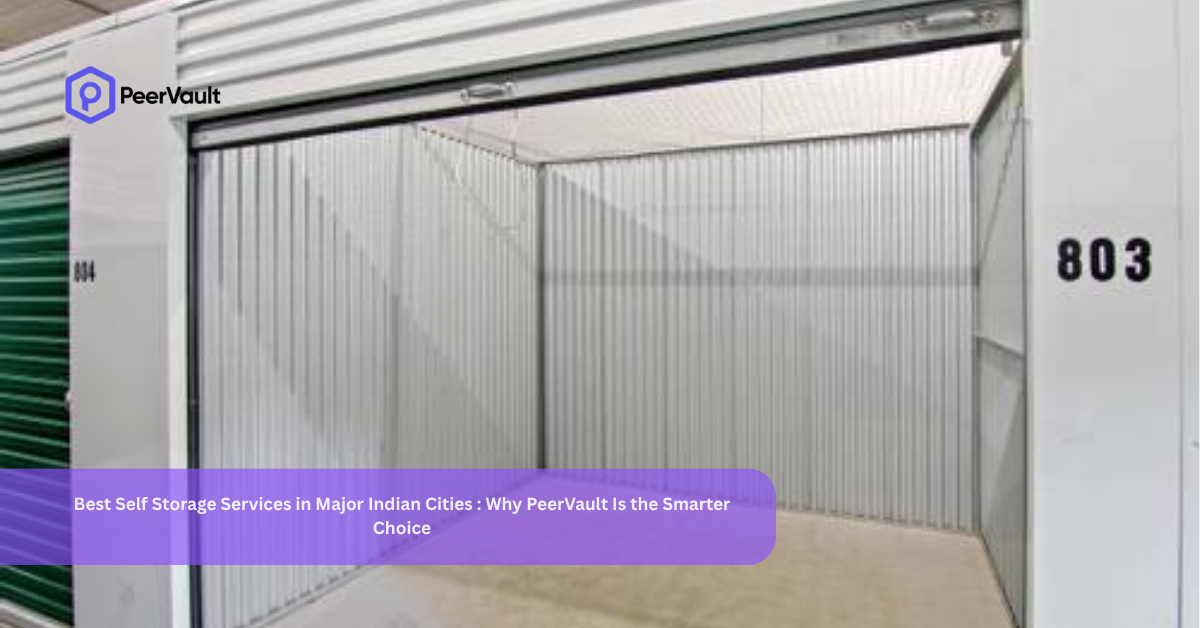
- Self Storage for household goods, furniture, documents, seasonal items, sports equipment and personal belongings.
- Warehouse space for business inventory, bulk goods, equipment and larger commercial needs.
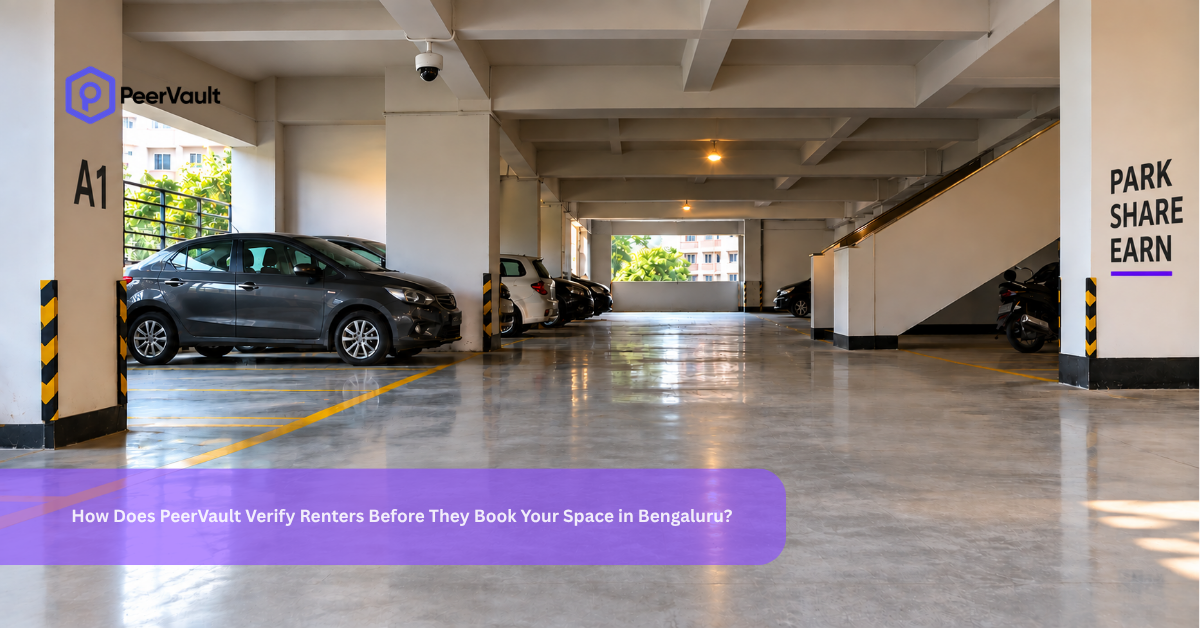
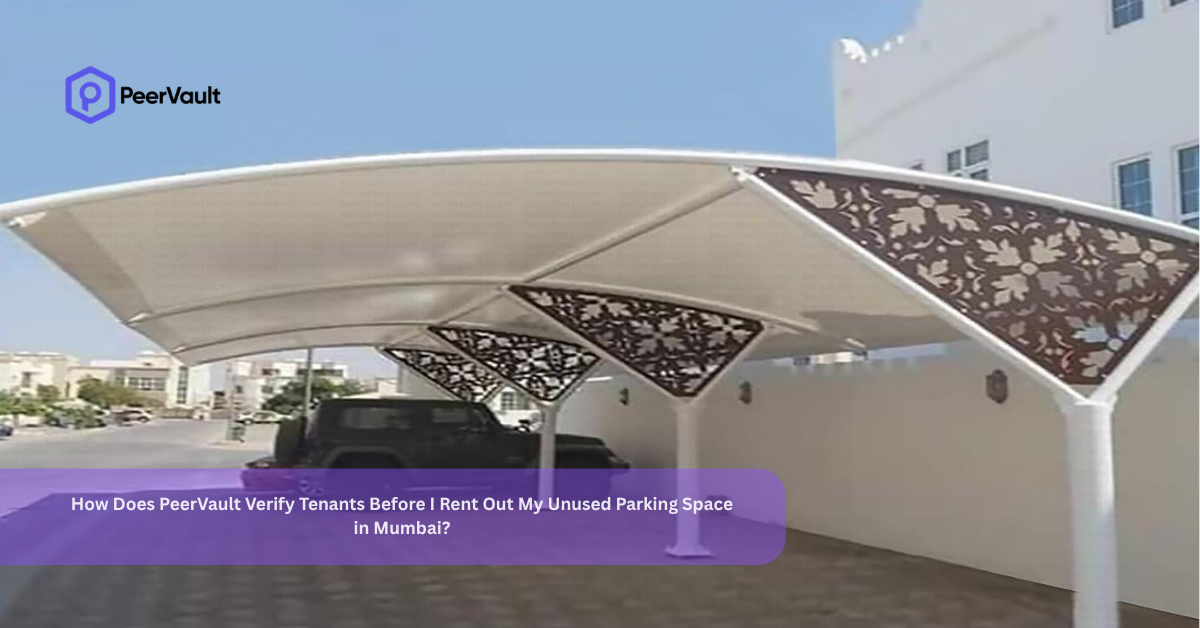
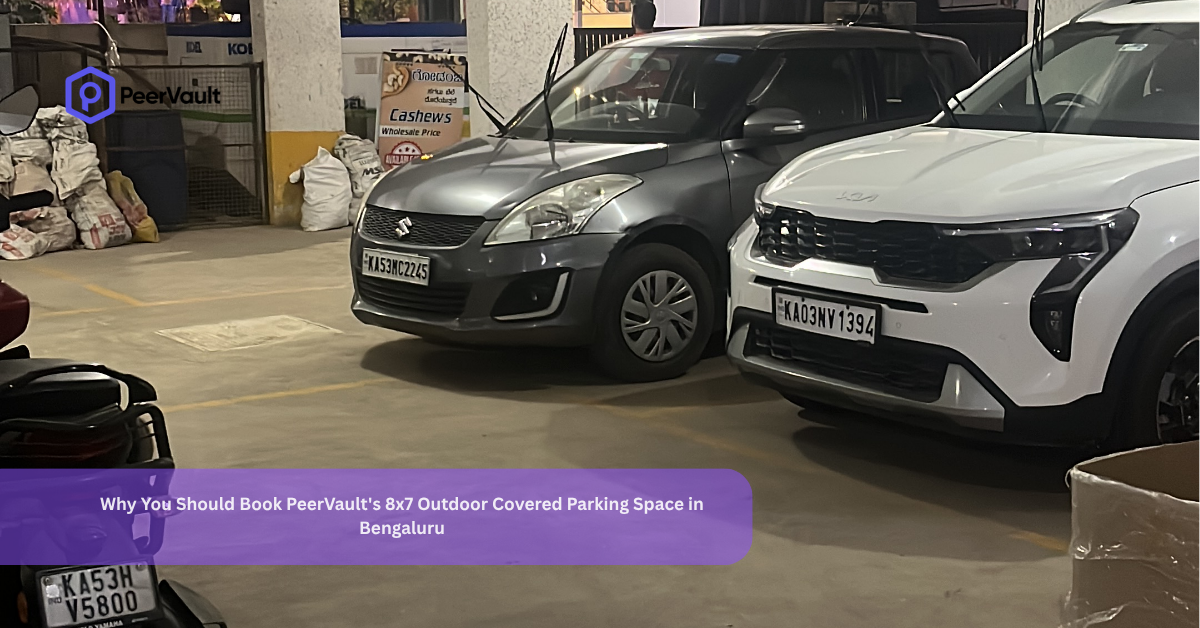
- Car Parking for cars and other vehicles, useful when your society has no room.
You can move between these categories on the same platform, which is convenient if your needs change. A family might start with a self-storage unit during a move, and later rent a parking spot for a second car.
3. Flexible, Budget-Friendly Payments
Fixed long-term contracts are a barrier for many renters. PeerVault focuses on flexible monthly plans, where you pay for the space you use and for the duration you need it.
The range of listings on the platform shows how wide the price spectrum can be. At the time of writing, the homepage showed a 10’x15’x10.5′ self-storage space in Hyderabad at ₹1,900 per month, a 12’x20′ car parking spot in Bengaluru at ₹2,400 per month, and larger spaces such as a 20’x12’x11′ self-storage unit in Bengaluru and a 56’x19’x12′ warehouse in Gurugram at higher monthly rates. Listings change frequently, so check the site for current prices, but the pattern is clear: whatever your budget, you have a chance of finding something suitable.
Since hosts set their own prices, the market itself creates competition. You can filter by price, compare several nearby options and choose the one that fits your budget.
4. Verified Users and a Secure Platform
Trust is the most important question in any peer-to-peer service. When you store belongings with someone you don’t know, you want to be sure about who they are.
PeerVault addresses this with verified users so that you deal with identified individuals, and secure communication tools that protect your personal information. You can message hosts through the platform to ask questions, and you don’t have to share your phone number or personal details before you have decided to go ahead.
5. Insurance Protection
Even in the safest spaces, unexpected events can happen: water leakage, fire, theft or accidental damage. PeerVault offers insurance options intended to protect your belongings against unforeseen damage or loss, which is a significant reassurance in a peer-to-peer setting.
As with any insurance product, read the coverage details carefully. Check what is covered, what is excluded and how claims are made before you store high-value items.
6. A Simple, Transparent Booking Process
PeerVault keeps the journey from search to booking short and clear. The next section explains the booking process step by step.
How PeerVault Works : Three Simple Steps
Step 1 : Find Your Perfect Storage Space
Start with the search tool. Enter your city, neighbourhood or zip code, then narrow results by location, size, price and specific features. You can pick the category you need: self storage, warehouse or car parking. The listing pages show the size, city and monthly price at a glance, so comparing options takes little effort.
Step 2 : Connect and Book with Confidence
Once you’ve shortlisted a few options, message hosts directly through the platform. Ask about access timings, the condition of the space, whether it’s suitable for what you want to store, and anything else that matters to you. Clarifying these details before booking prevents surprises later.
Step 3 : Seamless Booking and Payment
When you’re satisfied, book your space with a few clicks. PeerVault’s secure payment processing keeps the transaction smooth and safe. There is no need to visit an office or handle large amounts of cash.
The platform is also available as a mobile app on Google Play, so you can search, message and manage your storage on the go.
Best Self Storage Options by City
Each Indian metro has its own storage needs. Here’s how PeerVault can help in the cities where demand is greatest.
Self Storage in Mumbai
Mumbai is famous for its space crunch. Even middle-class families often live in compact flats where every cupboard is full. Storage here is a practical necessity, whether it’s for off-season items, extra furniture or a business stockpile. With PeerVault, you can look for space in your own area of the city, which reduces the transport costs and hassle that come with distant facilities. Small-business owners, particularly online sellers, can find room for inventory without paying for a large commercial premises.
Self Storage in Delhi and the NCR
Delhi, along with Noida and Gurugram, forms one of India’s largest urban regions. It has a large population of working professionals, students and families, and many people relocate within the region regularly. PeerVault’s listings across Delhi, Noida and Gurugram cover self storage, car parking and warehouse space. This is especially useful for those who need to store goods between moves, keep vehicles safe or hold business stock near their customers.
Self Storage in Bengaluru
Bengaluru attracts professionals from across the country, and many of them rent furnished or semi-furnished flats. Job changes, team relocations and international assignments make short-term storage very useful. PeerVault has a strong presence in Bengaluru, with a variety of listings from parking spots to large self-storage spaces. Startups and small businesses can also find room for equipment, stock and documents without long leases.
Self Storage in Hyderabad
Hyderabad‘s growing technology and pharmaceutical sectors have brought in a steady flow of new residents, and the city’s real estate market has been expanding quickly. Many households need extra space while they settle in, renovate or switch homes. PeerVault’s listings in Hyderabad include affordable self-storage options, which makes it a good place to start if you’re on a budget.
Self Storage in Chennai
Chennai has a mix of long-standing residents and new arrivals working in manufacturing, automobile, IT and services. For families with limited apartment space, and for those with vehicles but no parking, PeerVault offers both storage and car parking listings in the city. It gives you an alternative to street parking or cramped basement spaces.
Self Storage in Ahmedabad
Ahmedabad is a major commercial hub with a strong trading and small-business culture. Entrepreneurs, traders and manufacturers often need flexible space for goods, while families need room for belongings during renovations or moves. PeerVault’s platform lets both groups find suitable spaces locally without committing to expensive long-term facilities.
Who Can Benefit from PeerVault?
Families and homeowners can free up living space by storing seasonal items, spare furniture, festival décor and things they don’t use every day.
Students and young professionals who move between hostels, PGs and rented flats can keep their belongings safe during holidays, internships or relocations.
People relocating can store goods between leaving one home and settling into another, or during international moves.
Small businesses and online sellers can hold inventory, packaging and equipment near their customers without the overhead of a large warehouse.
Vehicle owners can rent a dedicated parking or car storage space instead of struggling with limited society parking.
Renovation projects often require moving furniture out of the house for weeks. Short-term storage protects it from dust and damage.
Tips for Choosing the Right Storage Space
Whichever platform you use, these practical tips will help you get the best result.
1. Estimate your space needs. List what you plan to store and measure large items. It’s better to choose slightly more space than to run out, but avoid paying for much more than you need.
2. Check access. Find a convenient time to visit the space.Some hosts offer flexible access, while others may have fixed timings.
3. Inspect the space. Look for dampness, leaks, pests, ventilation and security. Ask the host for photos or, where possible, visit in person.
4. Ask about restrictions. Some spaces may not allow certain items, such as flammable materials, perishables or hazardous goods. Confirm this first.
5. Understand the insurance. Read what is covered and consider whether additional coverage is needed for valuable items.
6. Pack smartly. Use sturdy boxes, label everything, wrap fragile items, disassemble large furniture and use covers to protect against dust.
7. Keep an inventory. Take photos and make a list of what you’re storing. This can be helpful if you ever need to file an insurance claim.
8. Use platform messaging. Keep communication and payments within the platform so that you have a clear record of what was agreed.
Turn Your Unused Space into Income
PeerVault is just as useful for people who have space to offer. If you have an empty room, a garage, an unused shop, a vacant warehouse or a spare parking slot, you can list it on the platform and earn a monthly income from something that would otherwise sit idle.
Hosts benefit from a ready audience of people looking for storage in their community, a platform that handles communication and payments, and the chance to set the terms that suit them. For homeowners and property owners, it can be a simple way to earn extra money with little effort. To get started, visit the Add your space page on PeerVault.
Frequently Asked Questions
What is PeerVault?
PeerVault is a P2P self-storage platform in India that connects people who need storage with hosts who have extra space. You can rent affordable, secure storage or earn by listing your unused space.
What types of space can I find on PeerVault?
The platform offers self storage, warehouses and car parking spaces.
Which cities does PeerVault cover?
PeerVault lists spaces across India. Top cities include Mumbai, Delhi, Bengaluru, Ahmedabad, Hyderabad and Chennai, and there are also listings in cities such as Pune, Noida, Gurugram, Jaipur and Hubballi.
How much does storage cost?
Prices depend on the city, size and type of space, and each host sets their own rate. Monthly plans mean you only pay for the duration you need. Browse the listings for current pricing in your area.
Is my stuff protected?
PeerVault offers insurance protection options and works with verified users. Review the coverage details for the specific booking you make.
Can I contact the host before booking?
Yes. You can message hosts directly through the platform to ask questions and clarify details.
Is there a mobile app?
Yes. PeerVault is available on Google Play.
Can I earn money by listing my space?
Yes. If you have unused space, you can list it as a host and earn monthly income from renters in your community.
Final Thoughts
Finding good storage in an Indian metro shouldn’t mean travelling across the city, signing rigid contracts or hoping for the best. PeerVault offers a practical answer built on community space: wide location coverage, a choice of self storage, warehouses and car parking, flexible monthly payments, verified users, secure messaging and insurance options.
If you’re in Mumbai, Delhi, Bengaluru, Hyderabad, Chennai, Ahmedabad or any other Indian city and need more room, or have room to spare, PeerVault is worth exploring.
Find storage near you or list your space today at peervault.in.
Popular Posts