

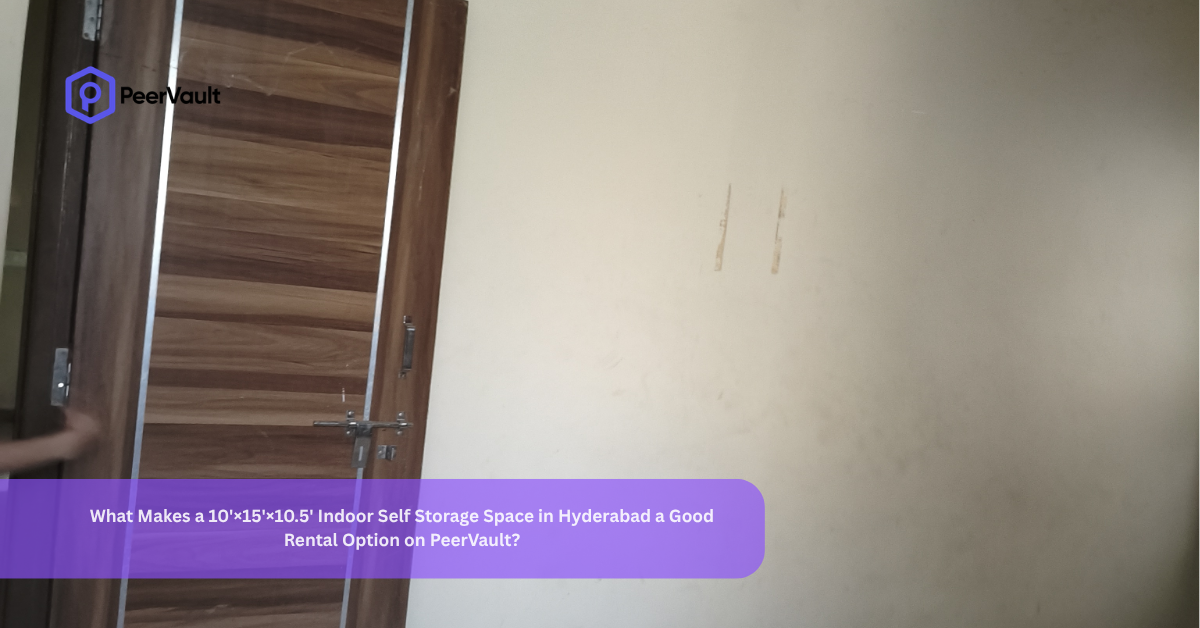
What Makes a 10’×15’×10.5′ Indoor Self Storage Space in Hyderabad a Good Rental Option on PeerVault?
TL;DR :
A 10’×15’×10.5′ (150 sq ft) indoor self storage unit is a mid-sized option that comfortably fits a full 2BHK household, business inventory, or furniture during a move or renovation without paying for space you won’t use. Being indoor (vs. outdoor/drive-up) means better protection from Hyderabad’s heat and humidity, less dust exposure, and stronger security through enclosed access points. Before renting, check access hours, security setup, floor placement, climate conditions, contract flexibility, and insurance options pricing sits in a mid-range bracket depending on these factors. Peervault is a convenient, centrally reachable location for this kind of storage in Hyderabad. You can view real availability and pricing on the PeerVault listing here.
Finding the right storage unit is one of those decisions that seems simple until you’re actually standing in front of a stack of boxes wondering where everything is going to go. Size matters, location matters, and so does the kind of protection your belongings get once the shutter closes. If you’ve been searching for indoor self storage in Hyderabad, there’s a good chance you’ve come across a 10’×15’×10.5′ unit and wondered whether it’s the right fit for your situation.
This size falls right in the middle. It’s larger than the small lockers people use for documents or seasonal items, but it’s not so large that you’re paying for space you’ll never fill. In this article, we’ll walk through what this unit size actually offers, who tends to use it, what to expect in terms of cost and access, and how a listing like the one on PeerVault fits into the bigger picture of storage options in Hyderabad.
Understanding the Dimensions: What Does 10’×15’×10.5′ Really Mean?
Let’s start with the basics, because dimensions on paper don’t always translate to a clear mental picture.
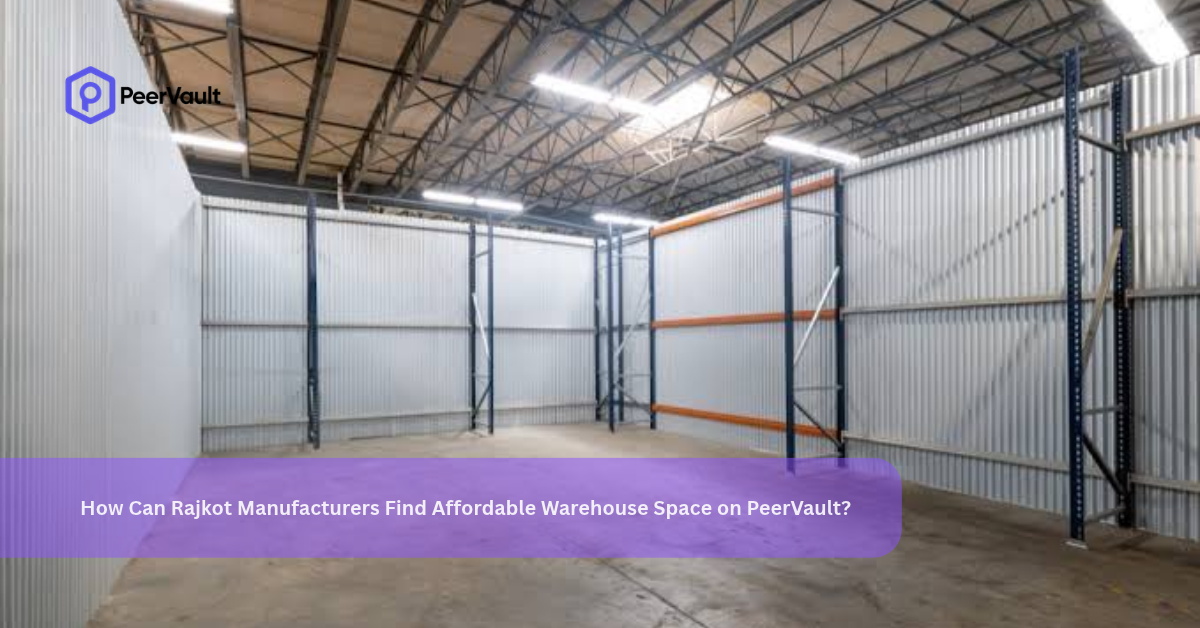
A 10 feet by 15 feet unit gives you 150 square feet of floor space. The 10.5 feet height is the part people often overlook, but it’s arguably just as important as the floor area. A taller unit means you can stack boxes, furniture, and equipment vertically instead of spreading everything across the floor. That extra ceiling height can effectively double your usable storage capacity if you plan the layout well.
To put it in perspective, 150 square feet is roughly the size of a small one-bedroom apartment’s living room. It’s enough space to comfortably hold the contents of a 2BHK home, including furniture, appliances, boxes of clothes and books, and even larger items like a dining table or a couple of cupboards. For business use, it’s enough to store inventory pallets, office furniture during a relocation, or seasonal stock that doesn’t need to sit in your primary workspace.
Why “Indoor” Matters More Than People Expect
Not all self storage is created equal, and the indoor versus outdoor distinction is one of the more important ones to understand before you commit to a rental.
Outdoor or drive-up storage units are typically housed in standalone structures, often with metal shutters facing directly outside. They’re convenient for loading heavy items straight from a vehicle, but they’re also more exposed to Hyderabad’s weather swings, humidity, and temperature fluctuations across seasons.
Indoor units, on the other hand, are located within a larger enclosed building. You usually walk through a corridor or hallway to reach your unit, similar to how a self storage facility in the US or UK might be laid out. This setup tends to offer a few practical advantages :
- Better protection from heat and humidity. Hyderabad summers can get intense, and indoor facilities generally maintain more stable internal conditions than units directly exposed to the sun.
- Reduced dust and moisture exposure. Enclosed buildings limit how much dust, rain, and outdoor debris reach your belongings.
- Added security layers. Indoor facilities often require passing through a manned entrance, a gated compound, or a monitored corridor before reaching individual units, which adds a layer of access control beyond just the unit’s own lock.
For anyone storing furniture, electronics, documents, or items with sentimental or financial value, this added layer of protection is often worth the consideration.
Who Actually Rents a Unit This Size?
It helps to think through some real scenarios, because storage needs vary a lot depending on what stage of life or business you’re in.
People relocating within or out of Hyderabad. Moving is rarely a one-day process. If you’re transitioning between homes, waiting on a new apartment to be ready, or moving cities for work, a 10×15 unit gives you enough room to store an entire household’s furniture and boxes without needing multiple smaller units.
Small business owners managing inventory. If you run an online store, a small retail operation, or a service business that needs equipment storage, this size works well for pallets, boxes of stock, tools, or seasonal merchandise that doesn’t need to sit inside your shop or office.
Homeowners going through renovation. When a home is being repainted, re-flooured, or partially rebuilt, furniture and belongings often need somewhere to go for a few weeks or months. A unit this size can hold the contents of most rooms while work is underway.
Families downsizing or decluttering. Sometimes it’s not about moving at all — it’s about freeing up space at home. Extra furniture, old documents, gym equipment, or seasonal items like festival decorations can all be stored away without cluttering a smaller living space.
Students and professionals returning abroad or relocating temporarily. For people who need to store their belongings for a semester, a work assignment, or an extended trip, this size is often large enough to hold everything from a studio or one-bedroom setup.
What to Actually Check Before Renting an Indoor Storage Unit in Hyderabad
Not every storage listing gives you the full picture, so it helps to know what questions to ask or details to look for before signing up.
Access hours. Some facilities offer 24-hour access, while others restrict entry to specific hours. If you think you’ll need to grab something late at night or early morning, this matters.
Security setup. Look for details on CCTV coverage, individual unit locks, and whether the facility has on-site staff or a gated entry point.
Ground floor versus upper floor placement. Indoor facilities sometimes have units spread across multiple floors. If you’re storing heavy furniture, a ground floor unit or one with lift access will save a lot of physical effort.
Climate conditions inside the unit. Not all indoor units are climate-controlled in the strict sense, but many still offer better temperature stability than an outdoor shed. It’s worth clarifying what “indoor” specifically includes at a given facility.
Rental flexibility. Some facilities lock you into long-term contracts, while others allow month-to-month rentals. If your storage need is temporary, flexible terms save you from overpaying for unused months.
Insurance options. Ask whether the facility offers any coverage for stored items, or whether you’re expected to arrange your own insurance for higher-value belongings.
How Pricing Typically Works for This Unit Size
Storage pricing in Hyderabad varies based on the neighborhood, the facility’s amenities, and how competitive the local market is. A 150 square foot indoor unit generally falls into a mid-range pricing bracket more than a small locker, but noticeably less than renting an entire warehouse bay or a large drive-up unit.
A few factors that typically influence the final rent :
- Proximity to major roads or residential hubs, since easier access often comes with a slight premium.
- Whether the facility includes extras like trolleys, packing material, or loading assistance.
- Length of the rental commitment, with longer terms sometimes unlocking better monthly rates.
- Building amenities such as lifts, fire safety systems, and surveillance infrastructure.
Rather than going purely by the lowest price, it’s usually worth comparing what’s included in the rate. A slightly higher monthly cost that includes better security and easier access can end up being the more practical choice.
Why Peervault as a Location Is Worth Considering
Location plays a bigger role in storage decisions than people initially expect. A unit that’s cheap but inconvenient to reach often ends up costing more in time, fuel, and frustration than a slightly pricier one that’s easy to get to.
Peervault has been gaining attention as a storage hub within Hyderabad because it sits in a position that works for a wide radius of the city. For residents and businesses in the surrounding areas, this means storage doesn’t require a long, unpredictable drive every time you need to drop something off or retrieve it.
If your day-to-day life or business operations are centered around this part of Hyderabad, having a storage facility nearby cuts down on the logistical friction that often makes people avoid using storage altogether.
A Real Listing Worth Looking At
If you want to see what an actual 10’×15’×10.5′ indoor self storage unit in this area looks like, along with current availability and pricing details, you can check out this listing on PeerVault:
10×15×10.5 Indoor Self Storage in Hyderabad, Peervault
Looking at an actual listing rather than relying on generic size charts gives you a clearer sense of what’s realistic including photos, exact specifications, and the booking process, which can vary from one facility to another even within the same city.
Making the Most of a 150 Square Foot Unit
It is not only about renting the place.How you use it determines whether it actually solves your storage problem or just becomes a disorganized pile of boxes you dread dealing with later.
A few practical habits go a long way :
Use the vertical space. With 10.5 feet of height, shelving units or sturdy stacked boxes let you make use of the airspace above eye level instead of just the floor.
Store what you’ll need last, first. Placing rarely-needed items at the back and frequently accessed ones near the front saves you from digging through everything each time you visit.
Label clearly. It sounds obvious, but clear labeling on all sides of boxes (not just the top) makes a real difference when boxes get stacked or turned during moving.
Protect furniture surfaces. Even in a well-maintained indoor unit, covering wooden furniture or upholstered items with breathable covers helps prevent dust buildup over time.
Leave a walking path. Resist the urge to pack every inch. Leaving a small aisle means you won’t need to unload half the unit just to reach something stored near the back.
Indoor Storage as Part of a Bigger Shift in How People Manage Space
There’s a broader pattern happening in cities like Hyderabad, where living spaces are getting more compact and mobility between homes, jobs, and cities is increasing. Self storage, especially indoor units that offer better protection, is becoming less of a niche service and more of a practical tool that regular households and small businesses use as part of everyday life.
A 10×15×10.5 unit specifically hits a size that works for a meaningful number of these situations without forcing people into either an undersized locker or an oversized warehouse space they don’t need. That balance of enough room to matter, without paying for space you’ll never use is probably the biggest reason this particular size shows up so often in storage searches across the city.
Frequently Asked Questions
Is a 10×15×10.5 unit big enough for a full household move?
For most 1BHK and 2BHK homes, yes. It comfortably fits furniture, appliances, and dozens of boxes when packed with some planning. For larger 3BHK homes, you may want to measure your major furniture pieces first, since bulky items like sofas and wardrobes take up more room than expected.
How is indoor storage different from a warehouse unit?
Warehouse storage is usually built for bulk industrial or wholesale needs, with large bay doors and vehicle access inside the building. Indoor self storage units are smaller, individually locked spaces meant for personal or small business use, accessed through internal corridors rather than vehicle bays.
Can I store furniture without it getting damaged?
Indoor units generally offer better protection than outdoor sheds, but it still helps to use covers for wooden and upholstered furniture, avoid placing items directly against walls where moisture can collect, and keep fragile items elevated off the floor when possible.
Do I need to sign a long-term contract to rent this size?
It depends on the facility. Many self storage providers, including listings on platforms like PeerVault, offer flexible monthly terms rather than locking renters into long commitments, which is worth confirming before booking.
Is Peervault a convenient location for people outside that immediate area?
Given its position within Hyderabad, Peervault tends to be reachable within a reasonable distance for several surrounding neighborhoods, which is part of why it’s become a common choice for storage rather than just a hyper-local option.
Final Thoughts
Square footage is not the only consideration when selecting a storage unit. t’s about matching the size, protection level, and location to what you actually need, without overpaying for capacity or convenience you won’t use. A 10’×15’×10.5′ indoor self storage unit in Peervault, Hyderabad offers a practical middle ground for households mid-move, businesses managing inventory, or anyone needing a reliable place to store belongings without the exposure risks that come with outdoor units.
If this size and location match what you’re looking for, it’s worth taking a closer look at the actual listing to check current availability, photos, and pricing before making a decision :
View the 10×15×10.5 Indoor Self Storage Listing in Peervault, Hyderabad
Popular Posts