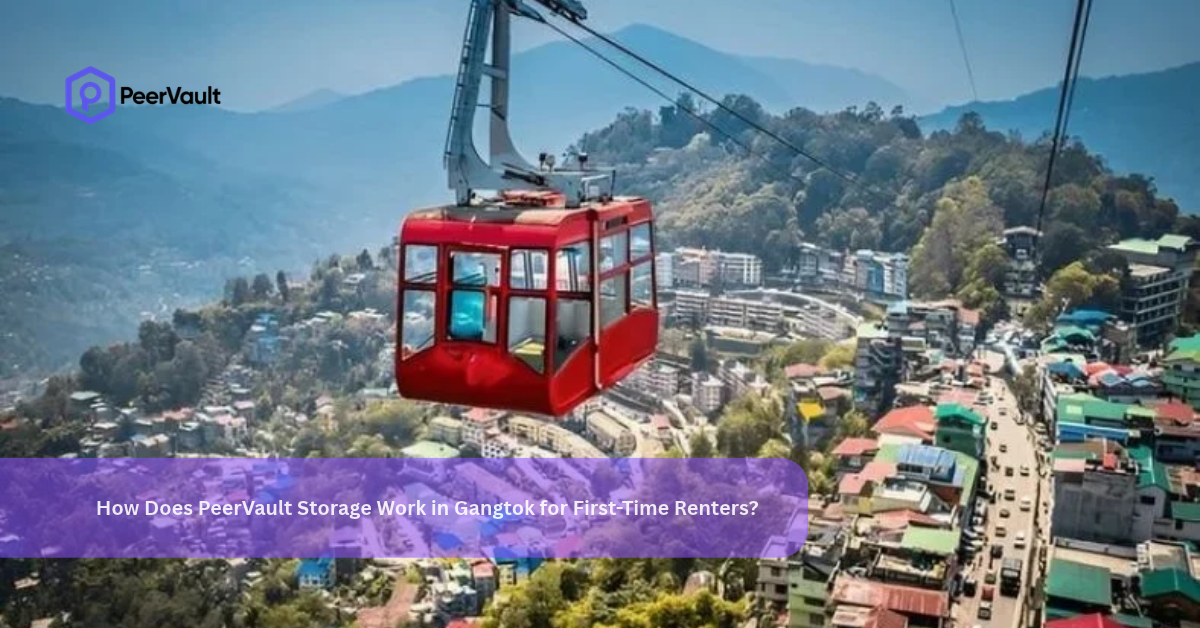
How Does PeerVault Storage Work in Gangtok for First-Time Renters?
TL;DR
- What it is : PeerVault is an Indian marketplace where people rent out spare space (a room, garage or corner) and others rent it to store belongings.
- How it works in Gangtok : Search local listings on peervault.in or the app, compare size, location and price, message the host, confirm the terms, and drop off your items on an agreed day.
- What you can store : Luggage, furniture, student belongings, shop stock, and bikes or cars where a host has listed vehicle space. Ask hosts about restricted items like flammables, hazardous goods and perishables.
- Check before booking : Damp and ventilation (Gangtok’s monsoon runs roughly June to September), road access, security, access hours, and whether vehicle space is covered.
- Cost : Each host sets the price, which depends on size, location and rental length. Compare listings side by side.
- Stay safe : Speak to the host first, photograph your items at drop-off, keep an inventory, and don’t store cash or original documents.
- First-timer tip : Ask questions early, check for damp, and take photos on day one.
I can also add this to the top of the doc as a summary box, or trim it to a two-line version for a meta description or featured snippet.
PeerVault is an online marketplace where individuals in India rent out extra space for others to keep their possessions. In Gangtok, a first-time renter browses local listings on peervault.in or the PeerVault app, compares size, location and price, books a space, and hands over the items on an agreed day. You pay for the space you actually need instead of a whole commercial unit.
That is the whole idea. The rest of this guide covers the details a first-timer usually wants to know before handing over a box, a bike or a sofa to someone else.
What is PeerVault, exactly?
PeerVault is built on a simple observation: many homes, shops and garages have corners that sit empty, and many people need somewhere to put things for a few weeks or months. The platform connects the two groups. Hosts list a space. Renters search by city, filter by what they need to store, and pick the listing that suits them.
The platform covers dozens of Indian cities, from Mumbai and Bengaluru to smaller places such as Gangtok, Namchi and Geyzing in Sikkim. It also has a dedicated filter for car storage, and an Android app is available on Google Play. If you have ever booked a homestay online, the logic will feel familiar. The difference is that the guest is a cupboard, a motorcycle or ten cartons of stock.
Why does Gangtok need this kind of storage?
Gangtok sits on a ridge at roughly 1,650 metres. Flats tend to be compact, plots are steep, and the rows of self-storage units you see in Mumbai or Pune are less common here. At the same time, the city has a steady flow of people who need to leave things somewhere for a while:
- Tourists and bikers who want to travel light to Tsomgo Lake, Nathu La or North Sikkim and would rather not carry everything or leave a bike on the street.
- Students moving out of rented rooms between semesters.
- Families shifting between houses, where the new place is not ready on the day the old lease ends.
- Small shop owners around MG Marg and other market areas who run out of back-room space for stock.
- Homestay operators who need to clear out rooms before peak season.
Peer-to-peer storage fills this gap because the space already exists in the city. Nobody has to build a warehouse.
How does PeerVault work in Gangtok? Step by step
1. Work out what you are storing and for how long. Write down the items, rough dimensions and the dates. A suitcase and three boxes need very different space from a double bed frame. If it is a vehicle, note the type and whether it needs to be covered.
2. Search the Gangtok listings. Open the Gangtok page on peervault.in or use the app. Use the filters to separate general storage from car and bike storage. When lugging boxes, Gangtok’s slopes make a two-kilometer route seem considerably longer, so be sure you know which neighborhood each location is in.
3. Compare listings properly. Look at the photos, the stated size, the price, the access arrangement and the description the host has written. Photos of the actual space, not stock images, are a good sign.
4. Ask questions before you book. To communicate with the host, use the platform. Ask about damp, road access, who else has keys, and whether you can visit during the rental. A host who answers clearly and quickly is usually a host who will be easy to deal with later.
5. Confirm the terms. Check the price, the start and end dates, the access hours and anything the host has said you cannot store. To ensure that everything is documented in one location, follow the booking instructions on the ad page and maintain the conversation on the platform.
6. Pack with Gangtok weather in mind. Use sealed plastic boxes or heavy-duty bags, add silica gel packets, and wrap furniture in thick plastic. Label every box.
7. Drop off and document. Take dated photos of your items as you hand them over, and of the space itself. If you are storing something valuable, note serial numbers.
8. Collect, extend or end the rental. When your dates are close, message the host about the collection. If you need more time, ask early so the host can plan around it.
What can be kept in a Gangtok PeerVault space?
Most everyday items are suitable. Typical examples include:
- Suitcases, backpacks and trekking gear
- Furniture, mattresses and appliances
- Books, documents in sealed boxes and student luggage
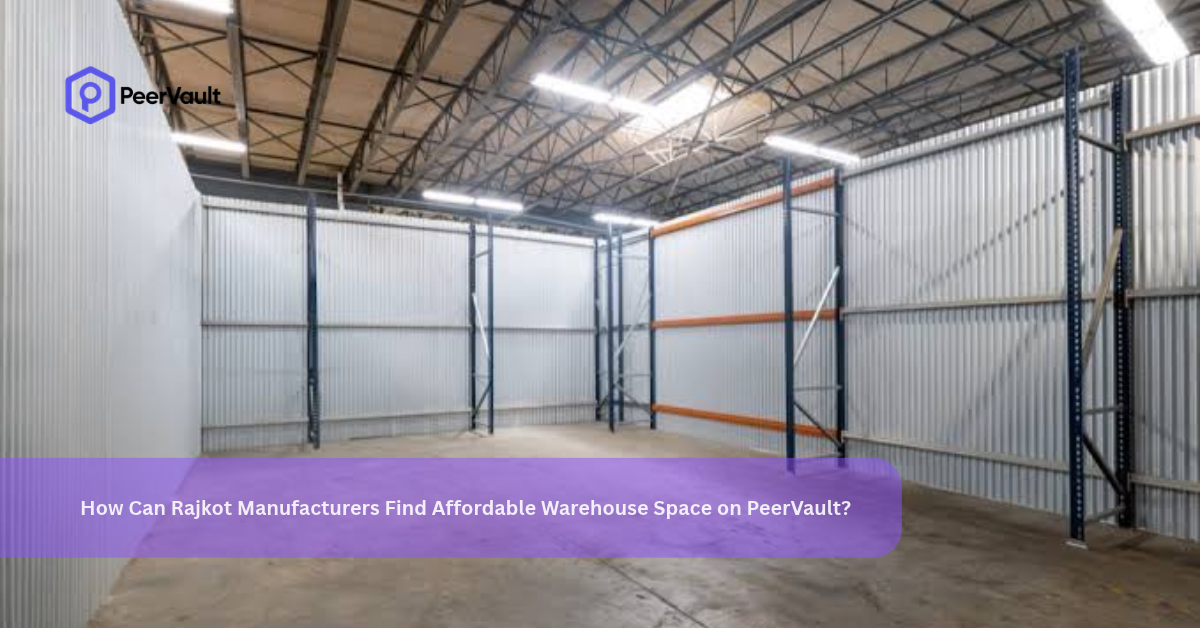
- Business stock such as packaged goods, handicrafts and tea
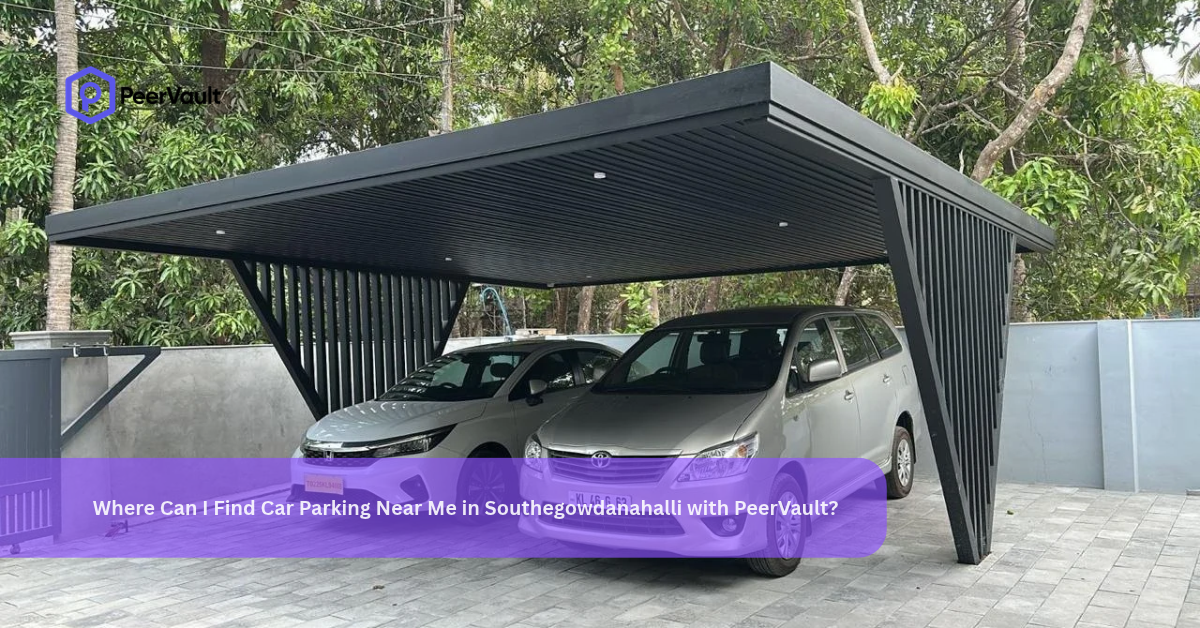
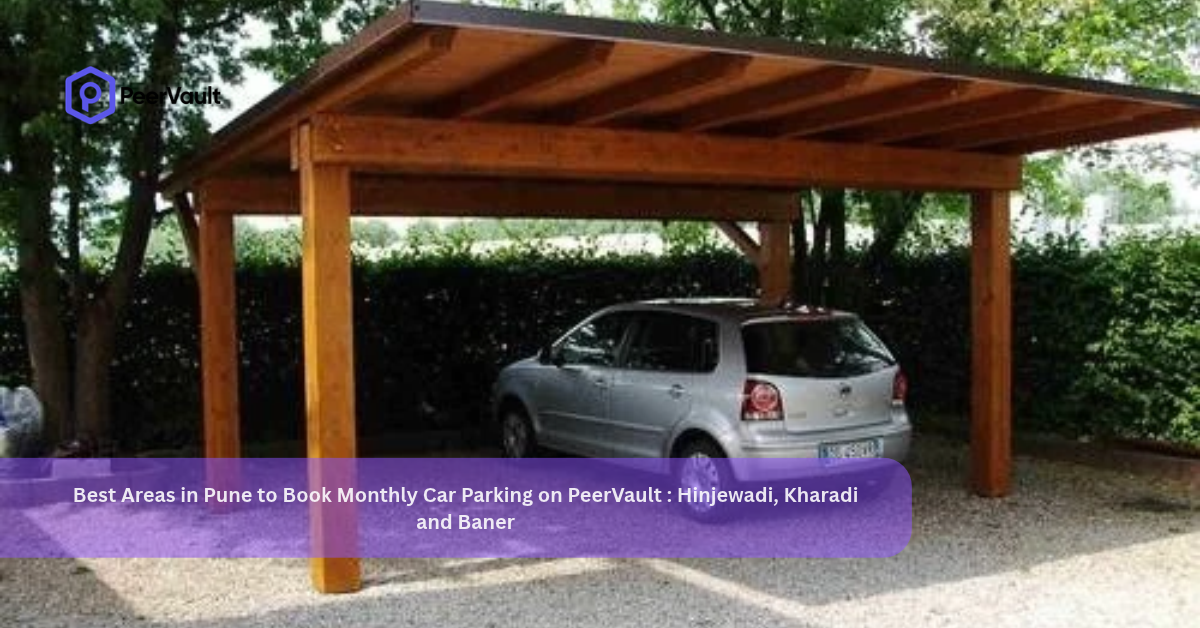
- Two-wheelers and cars, where a host has listed vehicle space
Hosts decide what they are comfortable with, and the listing or the host’s message will tell you. As a general rule, assume that flammable materials, hazardous chemicals, illegal goods, perishable food and living animals are not accepted. If you are unsure about an item, ask before you book rather than after you arrive at the door.
What should you check in a Gangtok listing?
Use this short checklist. It matters more here than in a flat, dry city.
- Damp and ventilation. Gangtok gets heavy rain during the monsoon months, roughly June to September. Ask whether the space has ever had seepage, and look for signs in the photos such as stained walls or a floor close to the ground.
- Road access. Can a taxi or pickup stop close by, or is there a steep climb of stairs? This decides how easy it is to move a wardrobe.
- Flooring and shelving. Items should sit off the floor, ideally on pallets or shelves.
- Security. Ask about locks, who has a key, and whether the entrance is visible from the road or neighbouring houses.
- Access hours. Confirm when you can come and go, especially if you plan to collect something early on the day of a flight from Bagdogra or a train from New Jalpaiguri.
- Vehicle space. For a bike or car, ask if it is covered, level, and clear of overhanging trees or loose slopes.
What does it cost?
Prices on a peer-to-peer platform depend on the space, not on a fixed rate card. The main factors are size, location, how easy the space is to reach, whether it is indoors or covered, and how long you need it. A small corner for a few boxes costs far less than a full room, and a month-long rental is usually priced differently from a booking of a few days. The listing shows the price, so you can compare Gangtok options side by side before you decide. Check what the listed price includes and whether anything is charged on top.
How do you keep your belongings safe?
Peer-to-peer storage means your items stay in someone’s home or property, not a guarded facility. Thus, a few routines are beneficial:
1. Choose listings with clear photos and a detailed description.
2. Speak to the host first. Visiting the space in person, where possible, tells you more than any photo.
3. Keep a written or photographed inventory.
4. Check whether your belongings are covered by any insurance you already hold, such as home or vehicle cover, and ask PeerVault’s help team if you are unsure how the platform handles claims or disputes.
5. Avoid leaving cash, jewellery or important original documents in storage.
The platform has a Help Center and an FAQ page on the site for questions about bookings and policies, and it is worth reading both before your first rental.
Tips that suit Gangtok in particular
- Book ahead for tourist season. Spring (March to May) and the post-monsoon months (October to December) are busy in Sikkim. The areas close to the center may fill up.
- Plan the drop-off around traffic. Gangtok’s narrow roads get congested around MG Marg and the main market, so avoid midday when moving large items.
- Check the weather before moving day. Rain and fog can make slopes slippery and delay a pickup.
- If you are heading to a restricted area, remember that permits for places such as Nathu La and parts of North Sikkim are handled separately by the authorities, and PeerVault does not arrange them. Sort your permits and travel dates first, then book storage to match.
- Do a short trial. If you are nervous, store a small, low-value item for a week before moving everything.
What if you would rather be a host?
Many first-time renters in Gangtok later realise they have unused space of their own. A spare room, an empty garage, a store room above a shop or a corner of a homestay can all work. Hosts list their space through the Add your Space option on PeerVault, describe it honestly, add real photos, and set the terms. If you choose to host, it will be easier for the right tenants to find you if you have clear images and a straightforward description of access and damp conditions.
Frequently asked questions
Is PeerVault available in Gangtok?
Yes. Gangtok is one of the cities listed on PeerVault, along with Namchi and Geyzing in Sikkim. The number of active listings can change, so check the Gangtok page for what is available now.
Do I need to create an account to rent?
To get in touch with hosts and make a reservation, you must have an account. You can sign up using the app or the website.
Can I store a bike or car in Gangtok through PeerVault?
Yes, where hosts have listed vehicle space. Use the car storage filter and confirm whether the space is covered, level and secure before you book.
How long can I rent a space for?
The duration of the rental is determined by the host. Some renters need a few days, others several months. Confirm the dates and the extension terms with the host.
Is peer-to-peer storage less expensive than standard storage?
Often it can be, because hosts are using space they already have. Compare the actual listings in Gangtok, since size, location and access all affect the final price.
What if the monsoon damages my items?
Prevent it instead of relying on a fix afterwards. Ask the host about damp, pack in sealed boxes with silica gel, keep items off the floor, and check on your belongings if you are storing them through June to September.
Who should I get in touch with if something goes wrong?
Start with the host through the platform, so there is a record. For anything you cannot resolve that way, use the Help Center or contact page on PeerVault.
The bottom line
Renting storage in Gangtok through PeerVault is a matter of choosing a local space, speaking to the host, agreeing the terms and documenting what you hand over. For a first-timer, the most useful habits are asking questions early, checking for damp, and taking photos on day one. Do those three things and the process is straightforward, whether you are leaving a bike for a Sikkim road trip, clearing a flat before a move, or storing stock for your shop.
Ready to look? Visit Peervault’s Gangtok page.Examine the options in your local area.
Popular Posts