

What Should You Consider Before Booking Self Storage in Dimapur with PeerVault?

TL;DR :
Dimapur is Nagaland’s commercial heartbeat home to the state’s largest wholesale trading hub, with markets like Hong Kong Market, New Market, Burma Camp Market, and the Wednesday Market driving constant movement of goods, businesses, and people relocating for work, education, or trade. That growth naturally creates a problem most residents eventually run into: not enough space. Whether you’re a trader stocking up before a festive season rush, a family shifting homes, a student heading out for a semester, or a small business owner who’s run out of shelf space, self storage has become one of the most practical solutions for urban and semi-urban life in India. Nationally, the market is growing briskly, with India’s self storage sector estimated at roughly USD 2.2 billion in 2024 and projected to near USD 3.6 billion by 2033, as urbanization, e-commerce, and smaller living spaces push more people toward flexible storage. Dimapur, as Nagaland’s commercial gateway, is very much part of that shift.
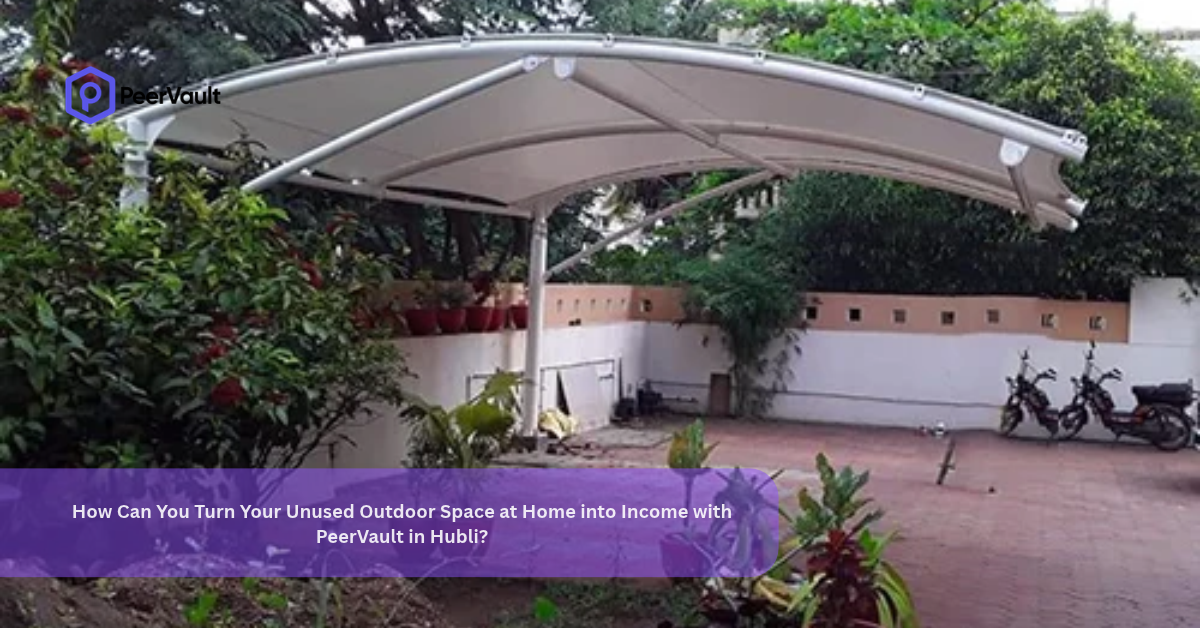
This is where PeerVault comes in. It’s a peer-to-peer (P2P) self storage platform connecting people with spare, unused space, a garage, an extra room, a basement, a warehouse corner with those who need somewhere safe and affordable to store their belongings. Instead of routing everything through commercial warehouses on the edge of town, PeerVault taps into a network of verified local hosts, meaning better prices, more flexible terms, and storage closer to home or work.
Before booking, though, it’s worth thinking through a few things: location and road access (especially in monsoon-prone areas), host verification and security, what exactly you’re storing, size and rental duration, pricing comparisons, insurance coverage, access hours, and reading reviews or messaging hosts directly. Doing this upfront turns storage in Dimapur from a gamble into a genuinely practical, stress-free choice.
1. Understand What P2P Self Storage Actually Means
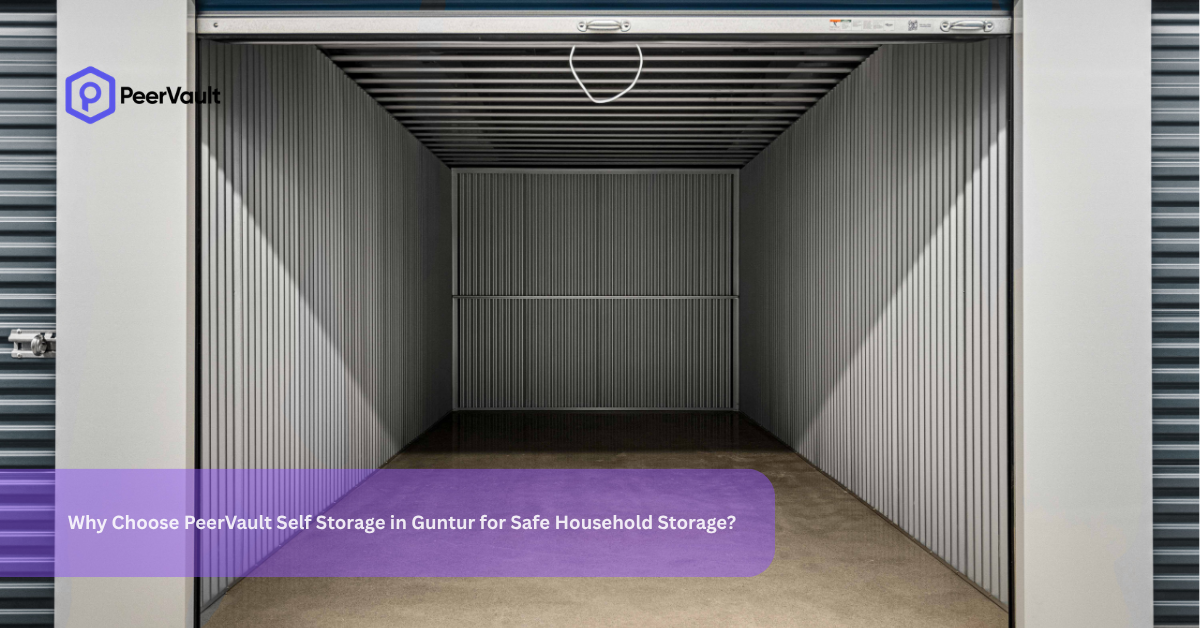
Traditional self storage usually involves a company that owns large warehouse-style facilities, often located outside the main city, with fixed unit sizes and rigid pricing. It works, but it’s not always convenient, and it’s rarely the cheapest option.
PeerVault’s P2P model flips that structure. Instead of one company owning every unit, PeerVault connects individuals or businesses with extra space to people who need storage. A homeowner with an empty garage, a shopkeeper with unused backroom space, or a family with a spare storage room can list it on the platform, and renters can book directly. This decentralized approach tends to bring down costs since hosts set competitive prices, and it usually means more variety in unit sizes and locations than a single warehouse chain could offer in a smaller city like Dimapur.
Before booking, it helps to understand that you’re not renting from a faceless corporate facility you’re renting from a real person or small business in your community, verified through the platform. That distinction affects how you should evaluate a listing.
2. Location : How Close Is “Close Enough”?
In a city like Dimapur, where traffic patterns, market days, and even weather during monsoon season can affect how easily you can get around, location matters more than people initially think.
Ask yourself :
- Will you need to access your belongings frequently, or is this long-term storage you’ll rarely touch?
- Is the storage space near your home, your shop, or along a route you travel regularly?
- How is the road access especially important in areas of Dimapur prone to monsoon waterlogging?
PeerVault’s search functionality lets you filter listings by locality, so you can compare a few options near Circular Road, Duncan Basti, Half Nagarjan, or wherever suits you best, rather than settling for the one warehouse on the outskirts of town that happens to have space.
3. Security and Verification of the Host
Since PeerVault operates on a P2P model, the platform’s verification process matters a great deal. Before booking, check :
- Whether the host’s identity and space have been verified on the platform
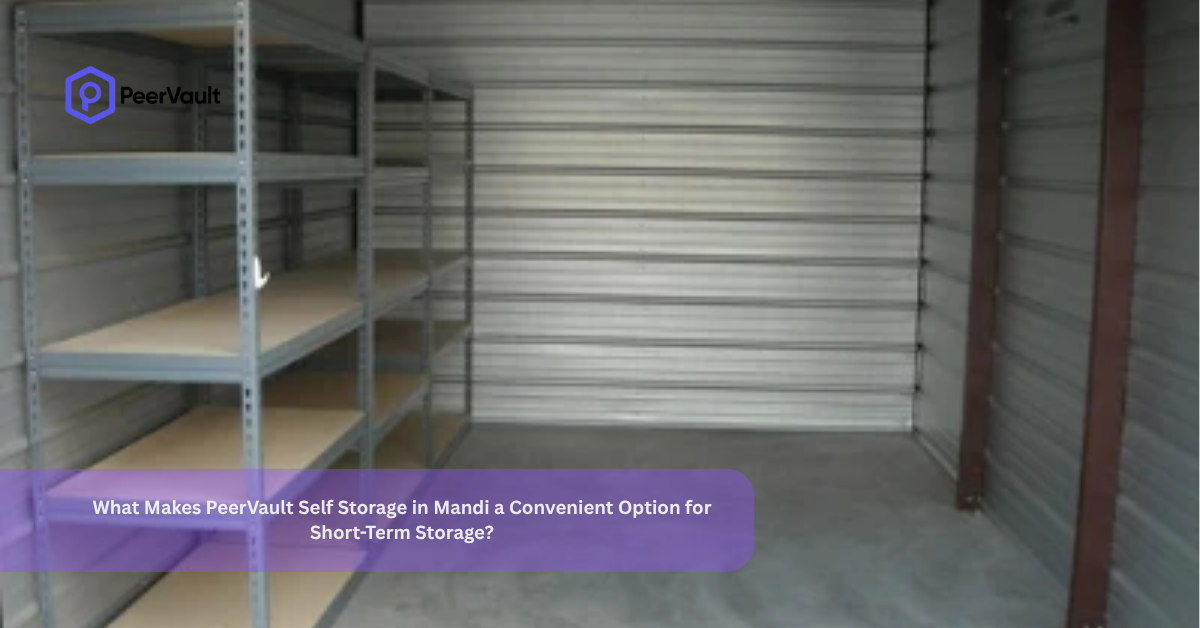
- Whether the listing includes clear photos of the actual storage area (not stock images)
- What security measures are in place locks, restricted access, CCTV, a gated compound, or a caretaker on site
- Whether the space is genuinely dry, ventilated, and protected from pests or dampness, which matters a lot given Dimapur’s humid climate for parts of the year
Don’t hesitate to message the host directly through the platform’s secure communication tools before confirming a booking. Ask about access hours, how the space is secured when unattended, and what happens if there’s a power cut or a monsoon-related issue. A good host will answer these clearly; vague or evasive answers are a signal to look elsewhere.
4. What Exactly Are You Storing?
Not all storage spaces are equal, and not everything you own needs the same conditions. Before you book, take stock of what you’re actually planning to store :
- Furniture and household items generally need dry, pest-free space with reasonable ventilation.
- Documents and paperwork need protection from moisture above almost everything else. A damp storage room in Dimapur’s rainy months can ruin paper goods quickly.
- Electronics and appliances benefit from climate-controlled or at least consistently dry conditions, away from direct humidity swings.
- Business inventory (a common need given Dimapur’s wholesale trade activity) often requires more space, easier loading access, and sometimes shelving.
- Seasonal items, like festival decorations, winter clothing, or event supplies, are usually fine in more basic storage since they’re accessed infrequently.
Matching the nature of your belongings to the right kind of space rather than just grabbing whatever’s cheapest will save you from damage claims and disappointment later.
5. Size and Duration : Don’t Overpay for Space You Don’t Need
One advantage of a P2P model like PeerVault’s is flexibility in both unit size and rental duration. Traditional storage companies often lock you into standard sizes and multi-month minimums. PeerVault, by contrast, allows you to pay only for the space you use, for the duration you actually need whether that’s a few weeks during a house move or several months while you’re studying elsewhere.
Before booking :
- Do a rough inventory of what you’re storing, even a simple list or a few photos, so you can gauge the size you actually need.
- Decide upfront whether this is short-term (weeks), medium-term (a few months), or long-term (a year or more) storage; this affects pricing and which listings make sense.
- Ask the host whether the rental duration can be extended or shortened if your plans change, since flexibility varies by individual host even on a flexible platform.
6. Pricing : Compare, Don’t Assume
Because PeerVault hosts set their own prices, rates can vary meaningfully between listings even within the same neighbourhood. This is generally good news for renters. Competition tends to keep prices reasonable but it also means you shouldn’t book the first listing you see.
Before committing, compare a few options and check :
- Whether the quoted price is monthly, weekly, or per-day
- Whether there are additional charges for access outside normal hours, for larger items, or for extended durations
- Whether insurance is included, optional, or unavailable and how much it would add to the total cost
- Whether there’s a deposit, and under what conditions it’s refundable
A slightly higher price for a more secure, more accessible, or more conveniently located space is often worth it. The cheapest listing isn’t always the best value once you factor in how easily you can get to it and how well your belongings will be protected.
7. Insurance and Liability
This is one of the most overlooked factors when people book self storage anywhere, not just in Dimapur. Ask clearly :
- Does the listing come with insurance coverage for damage, theft, or loss?
- If PeerVault offers optional insurance add-ons, is the coverage amount adequate for the value of what you’re storing?
- If something goes wrong, what’s the process for filing a claim, and who is responsible for the host, or the platform?
Getting these answers before you book, rather than after something happens, is the difference between a manageable inconvenience and a genuine loss.
8. Access Hours and Convenience
Since PeerVault connects you with individual hosts rather than a 24/7 commercial facility, access hours can vary listing to listing. Some hosts may offer flexible access; others might only be available during specific windows, especially if the storage space is part of their home or an actively used commercial property.
Before booking, confirm :
- What days and times you can access your belongings
- Whether advance notice is required for access
- Whether someone needs to be present, or whether you get independent access (a key, a code, etc.)
If you expect to need frequent access to, say, a shop owner restocking inventory weekly, this matters far more than it would for someone storing seasonal items they’ll retrieve once, months later.
9. Read Reviews and Communicate Directly
Because trust is central to any P2P platform, take advantage of the tools PeerVault gives you before finalizing a booking :
- Look at any ratings or feedback from previous renters on that host’s listing, if available
- Message the host with specific questions about your situation rather than relying only on the listing description
- Clarify move-in and move-out logistics will you need help carrying items, is there parking nearby for a loading vehicle, and so on
A few minutes of direct communication upfront tends to prevent most of the misunderstandings that cause problems later.
10. Think About Growth in Dimapur’s Storage Needs
Dimapur’s role as Nagaland‘s primary commercial and wholesale center means storage demand here is only likely to increase, driven by growing retail and FMCG trade, more businesses needing inventory space, students moving in and out for education, and families relocating within or through the city. Choosing a platform like PeerVault, which is built around flexibility and local, verified hosts rather than a single warehouse model, positions you well to adapt as your own storage needs change over time scaling up during a big move, scaling down once you’ve settled, or switching locations if your circumstances shift.
Final Thoughts
Booking self storage isn’t just about finding an empty space and handing over your belongings. In a city like Dimapur, where climate, accessibility, and trust all play a real role, it pays to think through location, security, the nature of what you’re storing, size and duration, pricing, insurance, and access before you commit.
PeerVault’s peer-to-peer model offers a genuinely useful alternative to traditional storage, more affordable, more flexible, and often more conveniently located but the platform works best when you use it thoughtfully. Compare listings, talk to hosts directly, verify security measures, and be honest with yourself about what you actually need and for how long. Do that, and self storage in Dimapur becomes less of a gamble and much more of a practical, stress-free part of managing your home or business.
Contact Us to find the right self-storage space in Dimapur with Peervault for your needs.