

How Can PeerVault Self Storage in Kohima Help You Store Household Items?
TL;DR :
Kohima’s compact hillside homes and damp climate make household storage tricky. PeerVault solves this with a peer-to-peer platform connecting people with spare space to those who need it offering nearby locations, flexible pricing based on actual space used, short- or long-term rentals, and climate-controlled options to protect furniture, textiles, documents, and cultural/festival items from humidity damage. Booking is simple: search by location, compare listings, message the host directly, then book and move items in. It’s best suited for ongoing or seasonal storage needs rather than a one-off box or two, and it’s worth confirming security, access hours, and insurance terms with the host before committing.
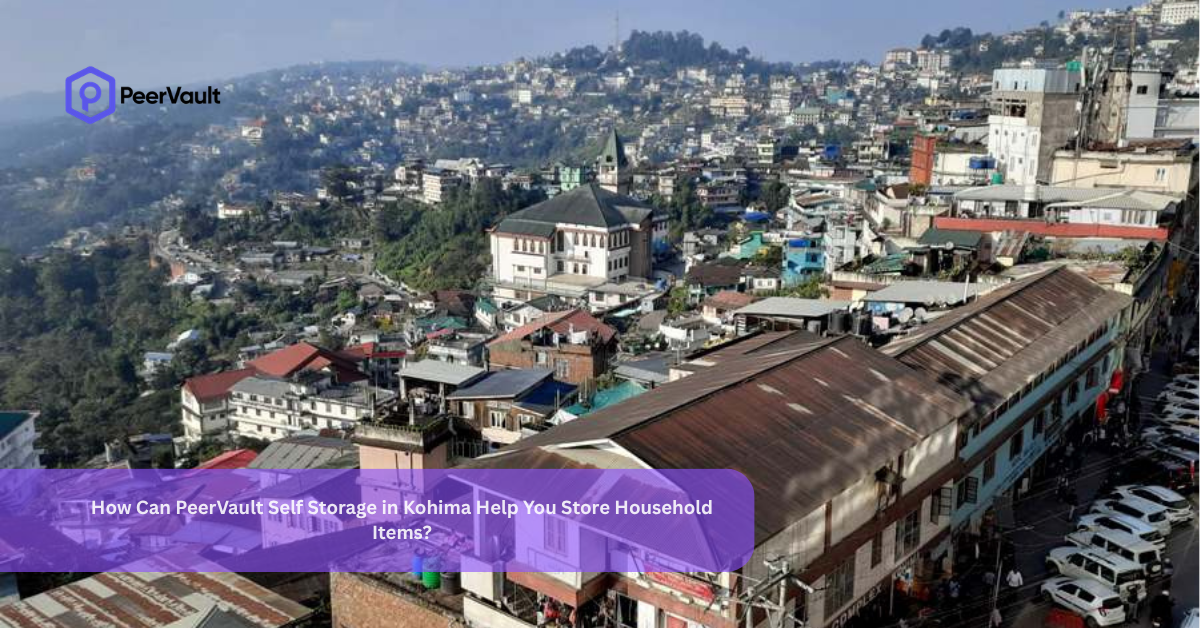
Anyone who has lived in Kohima for a while knows the drill. The city sits across a series of hills, land is limited, and most homes just weren’t built with a lot of extra room. Add in the local monsoon and the cool, damp winters, and storing things properly at home becomes its own small challenge. That’s really the gap PeerVault is trying to fill with a peer-to-peer self storage platform that connects people who have spare space with people who need somewhere safe to keep their belongings.
If you’ve been wondering whether this kind of storage actually makes sense for a household in Kohima, here’s a practical look at how it works and where it helps.
Why Kohima Households End Up Needing Extra Storage
Kohima isn’t a sprawling city, and that’s part of its charm but it also means most homes are compact, and many are built on hillside plots where extending outward simply isn’t an option. A few things tend to pile up over time regardless of house size :
- Seasonal clothing and bedding that only comes out during the colder months
- Traditional shawls, ceremonial items, and festival materials that get used once or twice a year
- Furniture from a family member’s old house, or pieces kept “just in case”
- Books, files, and old documents that nobody wants to throw away
- Sports gear, camping equipment, or things the kids have outgrown
- Boxes from a recent move that still haven’t found a permanent spot
None of this is clutter in the truest sense. It’s stuff people genuinely want to keep, just not stuff that needs to sit in a hallway or spare room all year. That’s the exact situation self storage is built for.
What PeerVault Actually Does
Unlike a typical storage warehouse on the edge of town, PeerVault works on a shared-space model. People in Kohima who have an unused room, garage, or storage area list that space on the platform, and residents who need storage can browse, message the host, and book a spot that fits their needs and budget. It’s a more local, more flexible version of the old storage-unit concept closer to home, and often more affordable because it isn’t tied to one large facility’s overhead costs.
For household items specifically, this setup has a few practical advantages worth knowing about.
You Can Choose Storage Close to Your Neighborhood
Because listings come from individual hosts across the city rather than one central warehouse, it’s often possible to find a space near your own locality whether that’s around Midland, Kohima Village, New Market, or elsewhere. That matters more than people expect. Dragging furniture or heavy boxes across town for storage defeats the purpose of convenience. A nearby option means quicker drop-offs, easier pickups, and less hassle when you just need to grab one box out of ten.
Pricing That Matches What You’re Actually Storing
Traditional storage units usually come in fixed sizes with fixed monthly rates, which means you’re often paying for more room than you need. On a peer-to-peer platform, host listings vary in size and price, so a family storing a few boxes of seasonal items pays differently than someone storing an entire room’s worth of furniture. This flexibility tends to suit households better than a one-size-fits-all model.
Short-Term and Long-Term Both Work
Some storage needs are temporary: you’re renovating a room, hosting relatives, or in between moves. Others are ongoing, like keeping heirloom items or documents safe for years. PeerVault’s rental terms are generally flexible enough to cover both, so you’re not locked into a long contract for something you only need for a month, or scrambling to renew short-term storage for something you’ll keep indefinitely.
Protection Against Kohima’s Climate
This is one of the more underrated reasons people in Kohima look into storage at all. The region’s humidity and temperature swings can be tough on certain belongings; wooden furniture can warp, textiles can develop mildew, electronics and important documents can degrade faster than expected. Storage options with climate control help slow down that kind of damage, which matters a lot if you’re storing things like family heirlooms, traditional wraps and shawls, old photographs, or paperwork that can’t easily be replaced.
A Place for Cultural and Festival Items
Kohima’s calendar is full of community events and festivals, and a lot of households keep decorations, traditional attire, and event materials that only come out once a year. Storing these at home for eleven months isn’t always practical, especially in smaller houses. Having a dedicated, secure spot for them, one that keeps them protected until the next celebration is a small but genuinely useful convenience for families who take part in these traditions regularly.
How the Process Works, Step by Step
Getting started with PeerVault isn’t complicated, and that’s by design :
1. Search by location – Look for available spaces in or near your part of Kohima.
2. Compare listings – Check size, price, and any special features like climate control.
3. Message the host directly – Ask questions about access hours, security, or anything specific to your items before committing.
4. Book the space – Once you’re comfortable, confirm the booking through the platform.
5. Move your items in – Drop off your belongings and access them again whenever the host’s terms allow.
Because communication happens directly between renter and host, there’s room to clarify details that a standard storage facility might not offer like whether a space suits delicate items, or whether there’s flexibility on drop-off timing.
Is This the Right Option for Every Household?
Not necessarily every situation, but for a good number of common ones, yes. It usually makes the most sense when :
- You’re short on space at home but don’t want to get rid of items you’ll use again
- You’re moving, renovating, or temporarily hosting family and need somewhere to keep things out of the way
- You want to protect specific belongings documents, heirlooms, electronics from Kohima’s humidity
- You’d rather pay for the exact amount of space you need instead of a fixed unit size
If your storage need is more about a couple of boxes for a few weeks, it might not be worth the effort. But for ongoing or seasonal storage, a peer-to-peer setup like this usually works out more practical than either renting a bigger house or thinning out a room every time weather or a family visit calls for it.
A Few Things Worth Checking Before You Book
Since spaces are listed by individual hosts rather than a single company, it’s worth taking a few extra minutes before finalizing anything :
- Confirm what security measures the space has, and whether it suits the value of what you’re storing
- Ask about access some hosts may have set hours, others more flexible arrangements
- Check if the space is climate-controlled if you’re storing anything sensitive to moisture or temperature
- Read through the terms on the platform, especially around insurance or damage coverage
These are small steps, but they make the difference between a smooth storage experience and one full of back-and-forth later.
The Bottom Line
Storage in a city like Kohima isn’t just about clearing clutter; it’s often about protecting things that matter: family heirlooms, festival materials, documents, or furniture you’re not ready to part with. PeerVault’s peer-to-peer model gives residents a more local, more flexible way to solve that problem, without committing to a large facility or a rigid contract. For households dealing with limited space, seasonal storage needs, or Kohima’s damp climate, it’s a genuinely useful option worth exploring especially if you’d rather store things properly than shove them into a corner and hope for the best.
Contact Us to store your household items safely with PeerVault in Kohima.