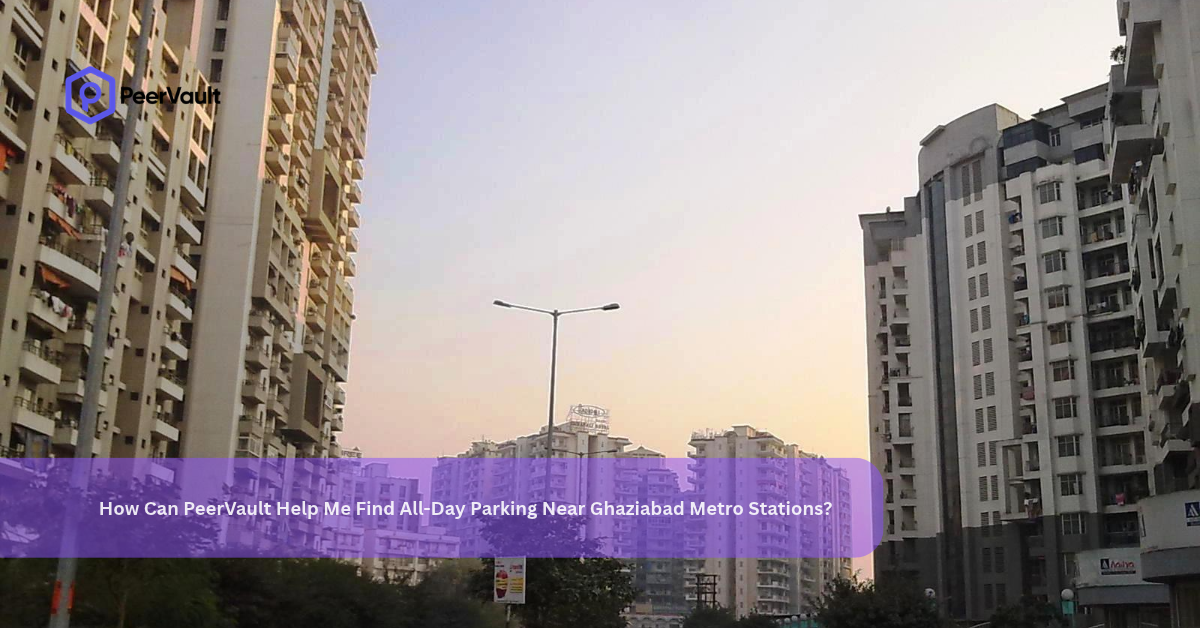
How Can PeerVault Help Me Find All-Day Parking Near Ghaziabad Metro Stations?
TL;DR
- Official parking lots at metro stations in Ghaziabad tend to fill up early on weekdays, and parking on the road nearby can mean challans, towing, or a scratched car.
- PeerVault is a peer-to-peer marketplace where local residents and businesses rent out unused parking and storage space, so you can reserve a spot close to your station instead of circling for one every morning.
- To find a spot, open the Ghaziabad page on PeerVault, filter for Car Storage, compare listings by distance, access hours, cover, and price, and message the host before you book.
- Before paying, check that the access hours match your commute, whether the space is covered or open, how it is secured, and whether it fits your car.
- Own an empty garage, courtyard, or society slot near a station? You can list it on PeerVault and earn from it.
The Metro Is Easy. Parking Is Not.
If you live in Ghaziabad and work in Delhi or Noida, the metro is the sensible way to commute. It is faster than sitting in traffic on the Delhi-Meerut road or the Vaishali-Anand Vihar stretch, it is predictable, and it costs far less than driving the whole way. The trouble starts well before you reach the platform. It starts when you ask a simple question: where do I leave my car from nine in the morning to eight at night?
For thousands of daily commuters, that question decides whether the metro works for them at all. Many people drive a few kilometres to the nearest station, park, and take the train for the rest of the journey. This is the classic park-and-ride habit, and it only works if a safe, affordable, reliable parking spot exists at the other end.
This guide explains why all-day parking near Ghaziabad metro stations is hard to get, which stations commuters usually struggle with, and how PeerVault can help you find a space you can count on.
Why All-Day Parking Near Ghaziabad Metro Stations Is a Headache
Ghaziabad has grown quickly. Residential colonies, high-rise societies, and commercial markets have spread around the same corridors where metro and rapid rail stations were built. Parking supply did not grow at the same pace as the number of cars. A few problems come up again and again.
Station lots fill up early. Parking facilities at stations are limited, and the most convenient ones are usually full by the morning rush. If you leave home at 9:30 instead of 8:30, you may find the lot already closed to new entries.
Road parking is risky. Parking along the road near a station may look like a free shortcut, but it often means a challan, a tow, or a blocked lane that irritates local traffic police and shopkeepers. Leaving a car on the street for ten hours also exposes it to dents, scratches, and theft.
A lot of timings may not match your day. Some lots have fixed opening and closing hours or restrictions on overnight parking. If you work late shifts or sometimes return after midnight, rigid timings can leave you stuck.
Daily costs add up. Even when you do find a spot, paying by the hour for a ten-hour parking session every working day becomes a large monthly expense.
Society rules. Many residents in Ghaziabad have one allotted slot but own two cars. Visitors and second vehicles are often not allowed to park inside, which pushes people onto the street.
Where Commuters Typically Need Parking
Ghaziabad is served by more than one rail network, and each has its own parking pressure points. Station lists and operating stretches change as lines are extended, so always confirm current details with DMRC and NCRTC before you plan your commute.
Blue Line branch (Vaishali and Kaushambi). These stations connect Ghaziabad residents to Anand Vihar, Rajiv Chowk, and onward to Dwarka. They are popular with people from Indirapuram, Vaishali, Kaushambi, and nearby societies, and parking demand here is consistently high.
Red Line stations in Ghaziabad. The Red Line serves areas such as Shaheed Sthal (New Bus Adda), Hindon River, Arthala, Mohan Nagar, Shyam Park, Major Mohit Sharma Rajendra Nagar, and Raj Bagh, linking Ghaziabad to Dilshad Garden and Central Delhi. Commuters from Mohan Nagar, Raj Nagar Extension, and the Sahibabad side often drive to these stations.
Namo Bharat (Delhi-Ghaziabad-Meerut RRTS) stations. Stations such as Sahibabad, Ghaziabad, Guldhar, and Duhai attract commuters who travel to Delhi or Meerut and need somewhere to leave their cars for the day.
Wherever you board, the pattern is similar. The parking supply nearest the station is small, and the demand is large and highly time-bound, concentrated between morning and evening rush hours.
What Is PeerVault, and How Does It Help?
PeerVault is a marketplace that connects people who have unused space with people who need it. Hosts list spaces such as garages, driveways, courtyards, plots, and parking slots. Renters browse those listings, compare options, and book what suits them. PeerVault has a dedicated Car Storage category and city pages covering Ghaziabad and many other Indian cities.
For a metro commuter, this model fills a real gap. Instead of depending only on a few official station lots, you can look at private spaces in the lanes, societies, and commercial buildings around your station. A resident two streets away from the metro entrance may have a spare slot that sits empty all day while they are at work, which is exactly when you need it.
There are practical advantages to this approach:
- More choices. You are not limited to one lot. You can compare several nearby spaces.
- Flexible duration. Depending on the listing, you may be able to rent by the day or by the month, which suits both occasional and daily commuters.
- A named host. You deal with a real person you can contact, instead of an anonymous lot.
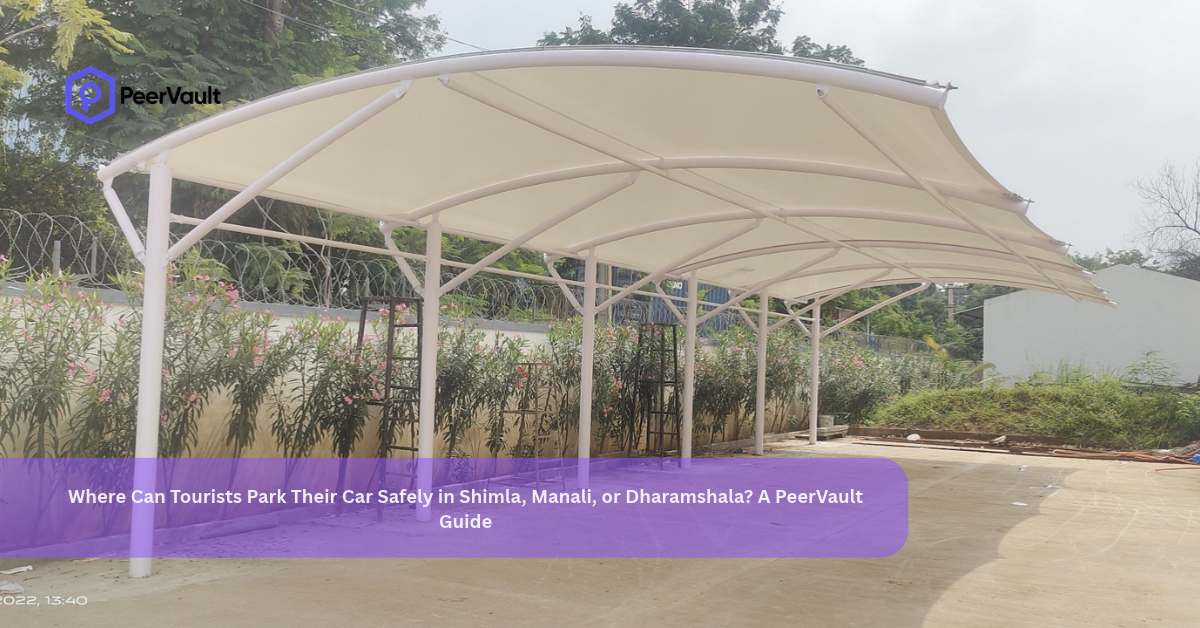
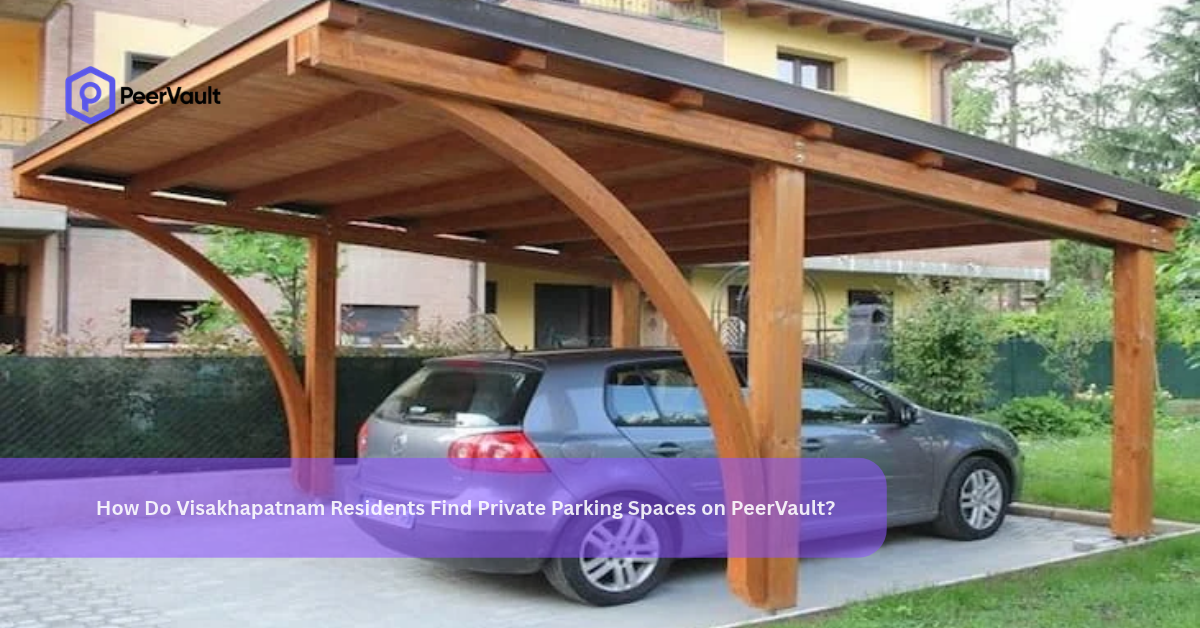
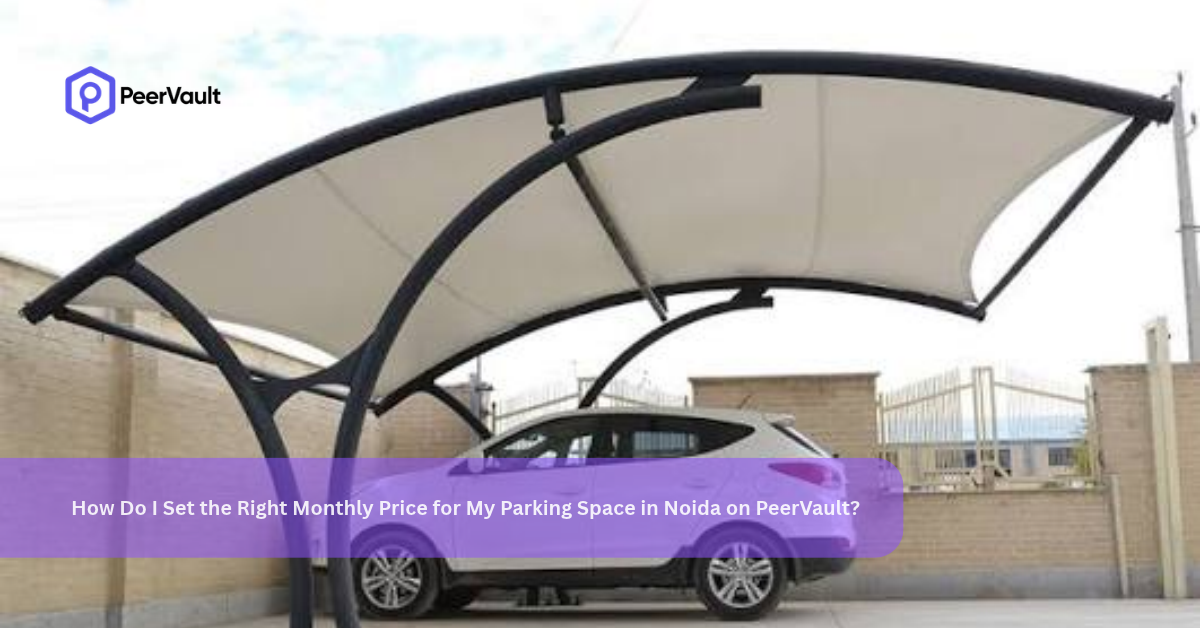
- Possible cover. Some private spaces such as garages and society slots may offer shade or a roof, which protects your car from heat, dust, and the monsoon.
How to Find All-Day Parking Near a Ghaziabad Metro Station on PeerVault
Here is a simple step-by-step process you can follow.
Step 1 : Open the Ghaziabad page. Visit PeerVault and go to the Ghaziabad city page, or use the app from Google Play. Search for the locality of the metro station you use, such as Vaishali, Kaushambi, or Mohan Nagar.
Step 2 : Filter for car storage. Choose the Car Storage category so you only see spaces suitable for cars, not general storage rooms.
Step 3 : Compare listings. Look at the distance from the station, the type of space, photos, size, and price. A spot that is a five-minute walk from the platform is usually worth more than a cheaper one that needs an auto-rickshaw ride.
Step 4 : Read the access details. Check when you can enter and leave. For all-day metro parking, you want access that covers your earliest departure and your latest return, including days when you work late.
Step 5 : Contact the host. Ask about anything the listing does not make clear: gate timings, who else has keys, whether the spot is dedicated to you, and whether guests or other vehicles share the area.
Step 6 : Visit if you can. If the space is near your home or route, take five minutes to see it in person. Check the entry width, the turning space, the surface, and the lighting after dark.
Step 7 : Book and confirm the terms. Make sure the duration, price, and rules are clear before you pay, and keep records of your messages and booking details.
What to Check Before You Book
A space can look perfect in photos and still be wrong for you. Run through this checklist before you commit.
Distance and walking route. Measure the real walking time to the station, not just the distance on a map. A short route with a busy crossing or no footpath may feel much longer in the rain.
Access hours. Confirm that you can reach your car at the times you actually need it, including early mornings and late nights.
Size and manoeuvring. Hatchbacks fit almost anywhere. SUVs and sedans need wider gates and more turning room. Ask for dimensions if you are unsure.
Cover. If your car is parked from morning to evening in peak summer or during monsoon, a covered or shaded space can save you from heat damage, water marks, and bird droppings.
Security. Ask how the space is secured. Is it behind a gate, inside a compound, or visible from the host’s home? Are there cameras or a watchman? Never assume.
Insurance and liability. Check your own motor insurance policy, and ask the host what they are and are not responsible for. Having this discussion upfront avoids arguments later.
Rules and exit terms. Understand the cancellation process, notice period, and what happens if you need to stop early or extend your stay.
Is Renting a Private Spot Cheaper Than the Alternatives?
It depends on your pattern, so compare before you decide. Pay-per-hour station parking can be convenient for an occasional trip but expensive for someone who parks ten hours a day, five or six days a week. Street parking looks free until you count the challans and the stress. Taking a cab or auto all the way to Delhi gives you no parking worries, but the fare is much higher than the metro plus a parking spot.
A monthly rental for a fixed private space can give you predictable costs and a guaranteed spot, which is often what daily commuters want most. Calculate your total monthly cost for station parking against a rented spot and see which one is cheaper for your schedule. Prices on PeerVault are set by hosts, so they vary by location and type of space, which is why comparing a few listings is worthwhile.
Tips for Daily Metro Commuters
- Look for spaces on your route, not just next to the station. A spot a short distance from home, on the way to the station, can sometimes be better than one closest to the platform.
- Book early. Spaces near stations are in demand, so don’t wait until your current arrangement ends.
- Have a backup. Keep a second option for days when your usual space is unavailable.
- Keep your documents in order. Carry your registration and insurance documents, and keep a copy of your booking details handy.
- Be a good neighbour. Follow the host’s rules, avoid blocking gates, and keep noise down when entering or leaving early.
Own a Space Near a Metro Station? Earn From It
This marketplace works because of hosts, and you may be one without realising it. If you have an empty garage, a spare slot in your society, a vacant plot, or a courtyard sitting unused during the day, someone nearby probably needs it. You can add your space on PeerVault, describe it honestly, add clear photos, set your price and availability, and start earning from something that would otherwise stay idle.
Before listing a society slot, check your housing society’s rules and get any required permission. Being clear and honest in your listing leads to better bookings and fewer misunderstandings.
Frequently Asked Questions
Can I rent a parking spot near a Ghaziabad metro station for just one day?
It depends on the host and the listing. Many spaces on PeerVault are flexible, so check the listing and ask the host about daily or short-term options.
Is parking on the road near a metro station safe?
It is risky. Beyond the possibility of challans and towing, cars left on the street all day are more exposed to damage and theft than cars in a gated or compound space.
What if I work late and return after midnight?
Ask the host about access hours before you book, and choose a space where late-night entry is clearly allowed.
How do I know the space is safe?
Ask the host about gates, cameras, and watchmen, look at photos, and visit in person when possible. Do not book anything you are not comfortable with.
Can I rent out my own parking slot?
Yes, you can list your space on PeerVault as a host. If it is inside a housing society, check the society’s rules first.
Final Thoughts
The metro can make your daily commute from Ghaziabad faster and cheaper, but only if you solve the parking problem first. Waiting for a spot in a crowded station lot, or gambling on street parking, is a poor way to start each working day.
PeerVault gives you another option: a private space close to the station, from a real host, with terms you can agree on in advance. Search for your locality, compare a few listings, check the details, and book the one that fits your routine. A reliable parking spot turns your metro journey into the simple, stress-free commute it was meant to be.
Ready to find your spot? Visit PeerVault, open the Ghaziabad city page, and look for Car Storage listings near your station today.
Popular Posts
What Are the Steps to List My Parking Space in Surat on PeerVault?