

How Do You List an Unused Room on Peervault in Ahmedabad for Storage?
TL;DR
If you have an unused room in Ahmedabad, you can consider listing it on Peervault as a storage space, provided it meets the platform’s requirements. Before listing, measure the space, clean and inspect the room, check security and access, and take clear photos. Add accurate details about the location, size, access, suitable storage items, availability, and terms. A clear and honest listing can help potential users quickly understand whether the space fits their storage needs. Pasted text
An unused room can be more useful than it looks. A spare room, empty office, garage, or other unused area may be suitable for storing furniture, household items, business stock, documents, or other belongings. Instead of letting the space sit unused, property owners in Ahmedabad can list it on Peervault for people who need storage space.
The basic idea is simple: identify a suitable unused space, prepare it for storage, provide accurate details, add clear photos, set the required terms, and publish the listing on Peervault.
For a listing to attract the right users, however, simply uploading a few photos is not enough. The space should be described honestly, access conditions should be clear, and important information such as size, location, security, and suitable items should be easy to understand.
Can You List an Unused Room for Storage in Ahmedabad?
Yes, an unused room can potentially be used as a storage space if it is suitable for storing belongings and meets the platform’s requirements.
For example, an unused room could be useful for:
- Household furniture
- Boxes and personal belongings
- Business inventory
- Seasonal items
- Documents and files
- Small equipment
- Office materials
- Packaging supplies
- Other permitted goods
The suitability of the room depends on factors such as its condition, size, accessibility, ventilation, security, and the type of items that will be stored.
Before creating a listing, it is important to check Peervault’s current requirements and terms because acceptable spaces, items, and listing conditions can vary.
Why List an Unused Room on Peervault in Ahmedabad?
Ahmedabad has a mix of residential areas, commercial locations, offices, shops, industrial zones, and growing business districts. This means different people and businesses may have different storage requirements.
Someone moving to a smaller home may need temporary storage for furniture. A small business may need additional room for stock without taking a large warehouse. Another person may simply need a place to keep items that are not used every day.
This creates an opportunity for property owners with suitable unused space.
Instead of allowing a spare room to remain empty, listing it can make the space available to someone who needs storage.
The important point is to think about the actual usefulness of the space, rather than simply calling every empty room a storage facility.
What Type of Unused Room Can Be Listed?
Not every empty room is automatically suitable for storage. The space should be reasonably safe, accessible, and appropriate for the items being stored.
Possible examples include:
1. Spare Room at Home
A spare room that is no longer being used could potentially work for boxes, furniture, household items, or other permitted belongings.
2. Empty Office Room
An unused room inside an office or commercial property may be useful for business inventory, documents, supplies, or equipment.
3. Garage or Covered Space
A garage can provide additional storage while also making loading and unloading easier, depending on its design.
4. Small Commercial Space
A vacant room attached to a shop or commercial property may be suitable for businesses that need additional inventory space.
5. Extra Room in a Larger Property
Large homes, commercial properties, and other buildings may have rooms that are rarely used. If the room meets the required conditions, it could be considered for storage.
How Do You List an Unused Room on Peervault?
The exact listing process can change as a platform updates its website or features. Generally, the process involves providing information about the space so that potential users can understand what is available.
A practical approach is to follow these steps.
Step 1: Identify the Space You Want to List
Start by deciding exactly which room or area is available.
Do not describe an entire property if only one room is available. Clearly identify the storage area and, where relevant, explain whether users will have access to common areas.
For example, instead of saying:
Large property available in Ahmedabad
a more useful description would explain:
A separate 120 sq. ft. room available for storage in Ahmedabad.
Specific information makes it easier for potential users to understand the listing.
Step 2: Measure the Available Area
Measure the approximate length and width of the room and calculate its usable area.
The usable storage area matters because someone searching for storage will want to know whether their belongings will actually fit.
Consider leaving some room for:
- Walking space
- Opening doors
- Moving boxes
- Accessing stored items
- Safety around the stored belongings
Avoid exaggerating the usable size. Accurate information helps reduce misunderstandings later.
Step 3: Check the Condition of the Room
Before listing the space, inspect it carefully.
Look for:
- Water leakage
- Dampness
- Broken windows
- Damaged doors
- Pest problems
- Electrical issues
- Poor ventilation
- Structural concerns
- Difficult access
A clean and properly maintained room can make a much better impression than a space filled with unused belongings.
If repairs are required, consider completing them before creating the listing.
Step 4: Clean and Organize the Space
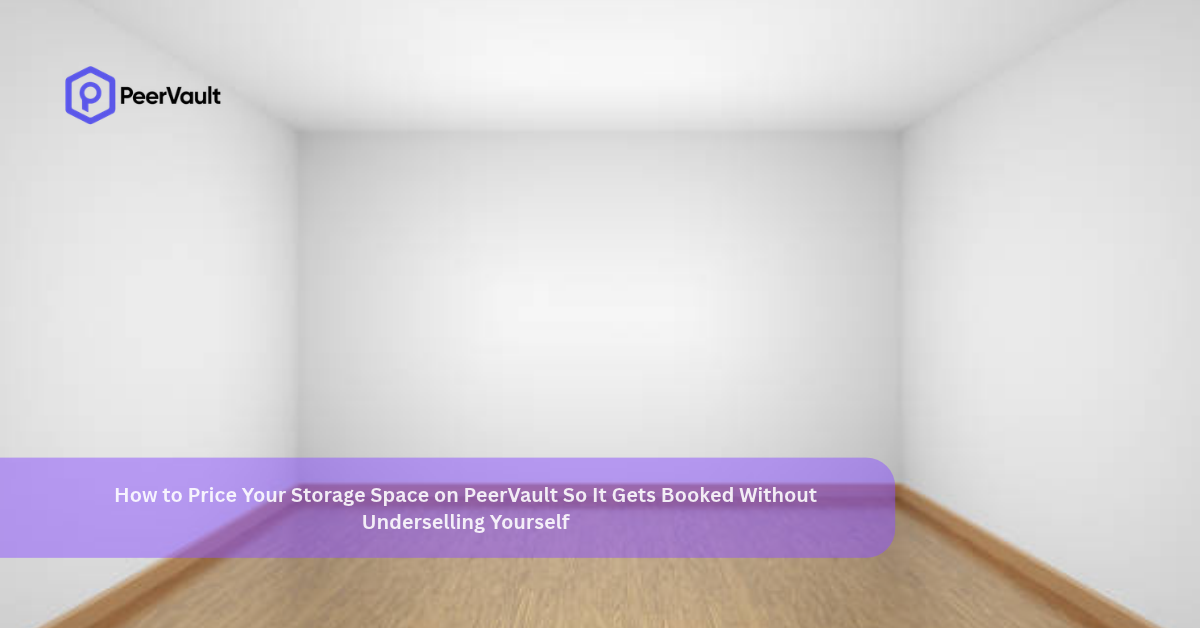
Make sure the room is clean, tidy, and free of unnecessary items before taking photographs.
Remove unnecessary items and sweep or clean the floor.
If the room has shelves, cupboards, racks, or other useful features, make sure they are visible in the photographs.
A potential storage user should be able to understand the space without having to guess what is behind piles of boxes or furniture.
Step 5: Take Clear Photos
Photos are one of the most important parts of a storage listing.
Take photographs from different angles so people can understand the room’s layout.
Useful photos can include:
- Full view of the room
- Entrance
- Door and access point
- Flooring
- Ceiling
- Windows
- Shelves or racks
- Parking or loading area, if relevant
- Building entrance, where appropriate
Use natural lighting where possible and avoid heavily edited images.
The photos should represent the actual condition of the space.
What Information Should You Include in the Listing?
A good listing answers the questions a potential user is likely to ask before contacting the property owner.
Consider including:
Location: Mention the Ahmedabad locality or nearby recognizable area.
Space: Give the approximate usable area.
Type: Explain whether it is a room, garage, office space, commercial room, or another type of area.
Access: Explain how users can reach the storage area.
Security: Describe available security features accurately.
Accessibility: Mention stairs, lifts, vehicle access, or loading arrangements where relevant.
Storage suitability: Explain what types of items the space is appropriate for.
Availability: State when the space is available.
Terms: Clearly mention the applicable rental conditions and other requirements.
The aim is to provide clear and useful information rather than simply making the listing sound impressive.
What Should You Store in an Unused Room?
The answer depends on the condition of the room and the rules that apply to the particular storage arrangement.
Common storage requirements may include:
- Furniture
- Clothes
- Books
- Household boxes
- Office files
- Business stock
- Packaging materials
- Non-perishable goods
- Seasonal belongings
However, property owners should not assume that every type of item can be stored.
Items that are dangerous, illegal, hazardous, highly flammable, perishable, or otherwise restricted should not be accepted unless they are expressly permitted under applicable rules and the platform’s terms.
When creating a listing, clearly communicate any restrictions rather than waiting until after someone has contacted you.
How Can You Make an Unused Room More Attractive to Storage Users?
You do not necessarily need to spend a large amount of money to improve a storage room.
Simple improvements can make a difference.
Keep the Room Dry
Moisture can damage furniture, clothes, books, electronics, and documents. Check for leaks and damp patches before making the room available.
Improve Basic Security
A strong door, suitable lock, and controlled access can provide greater confidence to potential users.
Only mention security features that actually exist.
Make Access Practical
If someone needs to move several boxes into the room, difficult access can become a problem.
If the room is on an upper floor, explain whether a lift is available. If there is vehicle access near the entrance, mention it where appropriate.
Add Shelving When Useful
Shelves or storage racks can make vertical space more useful, particularly for boxes and smaller items.
However, do not install permanent fixtures without checking whether they are suitable for the property.
Keep the Space Clean
A clean room gives users a better idea of how their belongings will be stored.
How Should You Write the Description?
A good storage listing should be straightforward rather than filled with exaggerated claims.
For example:
120 sq. ft. storage room available in Ahmedabad. The space is suitable for household belongings, boxes, furniture, and permitted business inventory. The room is clean and accessible through the property’s entrance. Interested users can check the listing details for availability and terms.
This type of description tells the reader what the space is, where it is, how large it is, and what it may be suitable for.
Avoid making unsupported statements such as “best storage space in Ahmedabad” or “100% safest storage room.”
Specific facts are more useful than promotional claims.
What Details Should Ahmedabad Property Owners Check Before Listing?
Before publishing the listing, review the practical side of the arrangement.
Ask yourself:
- Is the room actually available?
- Is the stated size accurate?
- Can belongings be moved into the room easily?
- Is the room dry and reasonably clean?
- Who will have access?
- How will access be provided?
- Is the property secure?
- Are there building or society restrictions?
- What items can and cannot be stored?
- What are the applicable rental terms?
- Is the space easily accessible for loading and unloading?
- Are there any restrictions on operating hours?
Answering these questions beforehand can prevent avoidable confusion.
How Can Good Photos Improve a Storage Listing?
Imagine two listings for similar-sized rooms.
The first has one dark photograph showing only part of the room.
The second has several clear photographs showing the entrance, floor, walls, storage area, and access route.
Most people would find the second listing easier to evaluate.
Photos do not replace accurate information, but they provide visual evidence of what the user can expect.
For an Ahmedabad storage listing, photographs can also help someone decide whether the location and access arrangements are practical for their needs.
Is an Unused Room Better Than Renting a Large Warehouse?
Not necessarily. It depends on the user’s requirements.
A person storing a few boxes may not need a full warehouse. A small business with limited inventory may also prefer a smaller area.
A larger business, however, may need considerably more space, vehicle access, loading facilities, or specialized warehouse features.
This is why accurately describing the size and characteristics of the room is important.
An unused room is most useful when its size and facilities match the storage requirement.
Can Small Businesses Use Such Storage Space?
Potentially, yes.
Small businesses often accumulate stock, packaging materials, promotional materials, documents, equipment, and other items.
Renting a large warehouse may not always make sense when the business only needs a limited amount of additional space.
A suitable unused room could provide an alternative for smaller storage requirements.
However, business owners should check whether the space and property rules allow their intended use.
What Makes a Storage Listing Trustworthy?
Trust begins with accurate information.
A useful listing should avoid:
- Fake photographs
- Incorrect measurements
- Hidden restrictions
- Misleading descriptions
- Unsupported security claims
- Unclear access arrangements
- Unexpected conditions
If something is not available, do not suggest that it is.
If access is limited to certain hours, mention it.
If the room is on the third floor without a lift, explain it.
Being transparent may reduce the number of unsuitable enquiries while increasing the chances of finding users who genuinely need that type of space.
How Can Peervault Help With Unused Space in Ahmedabad?
Peervault can provide a way for property owners to present available space to people looking for different types of space.
For someone with an unused room, the first step is to determine whether the room is appropriate for storage and then create a clear listing with accurate details.
The same general idea can apply to other types of unused space, depending on the platform’s available categories and requirements.
The important part is matching the right space with the right use.
A small room should be presented as a small storage option rather than being described as a full-scale warehouse. Clear positioning helps potential users make a quicker decision.
What Are Common Mistakes to Avoid?
1. Using Incorrect Measurements
Do not estimate the size without checking it. Even a small difference can matter when someone is planning where to place furniture or boxes.
2. Uploading Poor Photos
Dark, blurry, or incomplete photographs make it difficult to evaluate the room.
3. Hiding Access Problems
If there are stairs, limited entry hours, or vehicle restrictions, disclose them.
4. Making Unverified Security Claims
Only describe security features that are genuinely available.
5. Accepting Unsuitable Items
Make sure stored goods comply with the applicable rules and agreed terms.
6. Leaving the Room Unprepared
Cleaning and basic maintenance can make the space easier to use.
7. Making the Description Too Promotional
People searching for storage generally need practical information first. Explain the space instead of filling the listing with repeated keywords.
A Simple Checklist Before Publishing Your Ahmedabad Storage Listing
Use this checklist before making the space available:
- Measure the usable area
- Clean the room
- Check for leaks and dampness
- Check doors and locks
- Confirm access arrangements
- Take clear photographs
- Mention the Ahmedabad locality
- Describe the type of space
- State the approximate size
- Explain suitable storage uses
- Mention important restrictions
- Provide accurate availability information
- Review the listing before publishing
This simple preparation can make the listing much easier for potential users to understand.
Frequently Asked Questions
Can I list a spare room in Ahmedabad for storage?
If the room meets Peervault’s applicable requirements and is suitable for the intended storage use, it may be possible to list it. Check Peervault’s latest guidelines before publishing the listing.
What can I store in an unused room?
Common examples include furniture, boxes, household belongings, documents, and permitted business inventory. Restricted, hazardous, illegal, or otherwise prohibited items should not be stored.
How much space do I need for storage?
There is no single answer. The required area depends on what is being stored. A few boxes may need only a small room, while furniture or business inventory may require substantially more space.
Should I clean the room before listing it?
Yes. A clean, dry, organized room is easier to photograph and gives potential users a clearer understanding of the available storage area.
Should I add photos to my Peervault listing?
Clear photos are highly useful. Show the actual room, entrance, access points, and relevant features so users can assess the space before making an enquiry.
Can a small business use an unused room for storage?
It may be suitable for small amounts of inventory, documents, packaging materials, or equipment, depending on the space and applicable property and platform rules.
Is every unused room suitable for storage?
No. The room should be evaluated for condition, access, security, moisture, size, and intended use. Property or building rules may also affect whether the space can be used for storage.
Final Thoughts
An unused room can become a practical storage space. If it is clean, suitable, accessible, and permitted for storage, listing the space on Peervault can be a practical way to make it available to people who need additional room in Ahmedabad.
The best listings provide clear, useful information instead of relying on promotional wording. It is the one that gives potential users the information they actually need: where the space is, how much space is available, what it can be used for, how access works, what condition it is in, and what terms apply.
Have Unused Space in Ahmedabad? Contact Us to List It on Peervault.
Popular Posts