

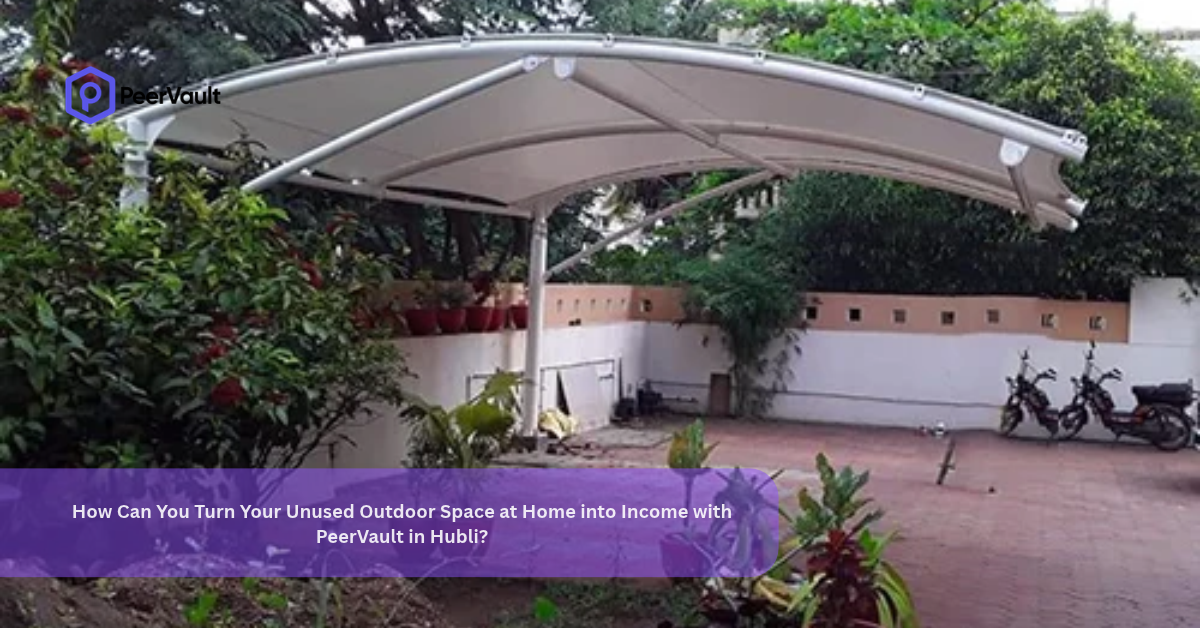
How Can You Turn Your Unused Outdoor Space at Home into Income with PeerVault in Hubli?
TL;DR :
PeerVault, a Hubli-based peer-to-peer storage and parking platform, lets homeowners list unused garages, terraces, yards, or godown space for free and earn from renters who need affordable storage or parking. Listing takes minutes, PeerVault handles renter verification, in-app messaging, and monthly payouts (via Razorpay), and only charges a small fee once you actually earn. Real Hubballi listings range from about ₹500/week for a small parking spot to ₹37,000–₹82,000/month for warehouse-scale space, with pricing driven mainly by size, security features, and proximity to demand hubs like colleges, hospitals, and the railway station. It’s a low-effort, legal way to turn idle property into passive income best suited for retirees, commuters, and families with spare commercial or outdoor space, and less suited for anyone needing frequent, unscheduled access to the space themselves.
Walk through most residential layouts in Hubballi-Dharwad and you’ll spot the same pattern: a garage that hasn’t held a car in years, a terrace stacked with boxes nobody opens, a side yard used only to park a two-wheeler, or a godown-style room left over from a family business. That space isn’t doing anything for you right now except costing you in property tax and missed opportunity.
PeerVault, a peer-to-peer self-storage and parking platform headquartered right here in Hubballi’s Deshpande Nagar, is built to change that. It connects people with spare space to people who need somewhere secure and affordable to keep their belongings, vehicles, or business inventory and it lets homeowners earn from space they were never using anyway.
This guide walks through exactly how the model works, what you can realistically earn from outdoor space in Hubli, and how to get a listing live.
Why Unused Outdoor Space Is a Real Income Opportunity Right Now
Hubli-Dharwad has grown fast as a logistics, trading, and educational hub for North Karnataka. That growth has created steady, unglamorous demand for space: traders need overflow storage for stock between seasons, students and working professionals moving into the city need somewhere to park a bike or car, small businesses need a warehouse corner without signing a long commercial lease, and families relocating within the city need short-term storage while they shift homes.
Traditional storage facilities are scarce outside a few pockets of the city, and commercial warehousing usually demands minimum tenures and formal agreements that don’t suit someone who just needs 100 square feet for six months. That gap is exactly where a peer-to-peer model works well: it turns spare capacity that already exists inside residential neighbourhoods into a flexible, searchable inventory of storage and parking, without either party needing to build anything new.
What PeerVault Actually Is
PeerVault is a peer-to-peer self-storage platform connecting people who need storage with hosts who have extra space, letting renters find affordable, secure storage while hosts earn by listing unused space.The platform is positioned specifically around India, covering self-storage, vehicle parking, and commercial inventory management, and lets a host turn an unused garage, parking lot, warehouse, or spare room into a source of income.
The company isn’t a random startup with no footprint in Hubli, it’s registered here. PeerVault is registered at Block No 10, Diamond Corner, Opp Savai Gandharva Hall, Deshpande Nagar, Hubli, Karnataka, and is associated with Aalpha Information Systems (India) Private Limited, an established local IT company. That local anchor matters if you’re a Hubli homeowner deciding whether to trust an unfamiliar platform with access to your property.
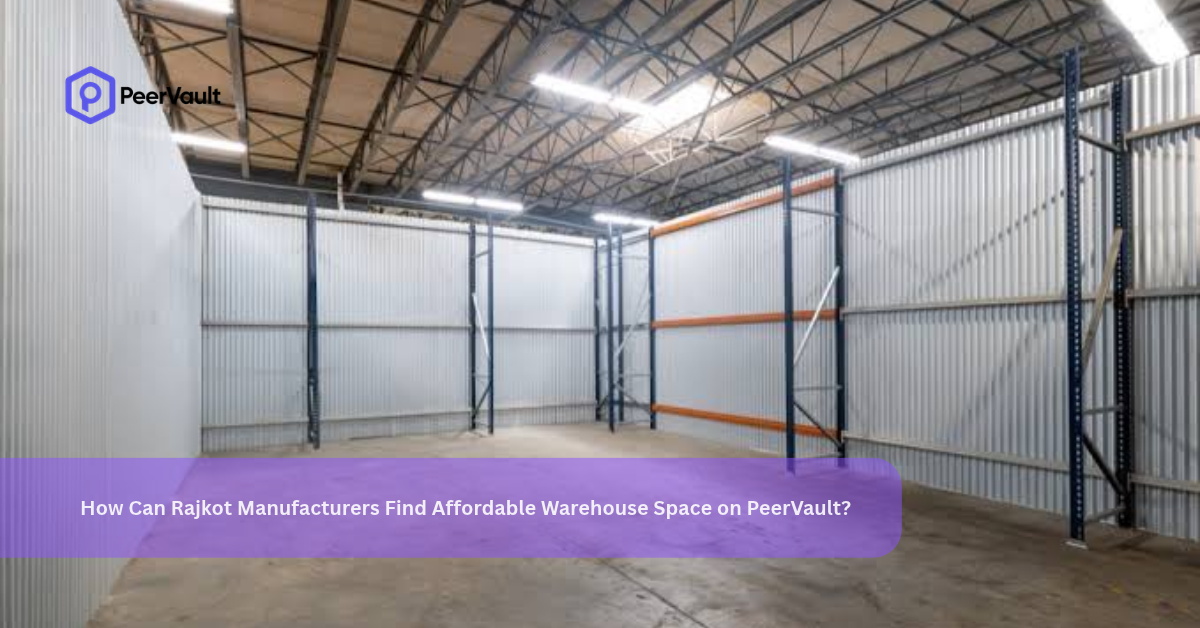
The platform already carries live listings in the city. Warehouse space in Hubballi has been listed on PeerVault at rates such as an 82-foot by 100-foot warehouse for ₹82,000 a month and a 50-foot by 62-foot warehouse for ₹37,200 a month, alongside smaller car-parking spots listed by the week. That range from a few hundred rupees a week for a parking spot to tens of thousands a month for warehouse-scale space gives a realistic sense of what different categories of outdoor space can pull in.
How the Host Model Works, Step by Step
1. You list your space for free
Listing a space on PeerVault is free; you set your own rules while the platform handles payments, safety checks, and renter screening. There’s no upfront fee to test whether your driveway, terrace, garage, or backyard corner attracts interest.
2. You describe and photograph the space
On the homepage, hosts click “Add Your Space,” fill in details about size, location, and access, and upload photos. After submission, the PeerVault team runs a quick review before the listing goes live.
3. Renters find you through search
Renters search by city, neighbourhood, or zip code, filter by location, size, price, and features, and message hosts directly through the platform before booking. This in-platform messaging matters : PeerVault advises users to avoid sharing personal information or their address outside the platform and to always communicate and pay through PeerVault, since routing everything through the platform keeps transactions secure and protections intact.
4. Bookings and payments are handled for you
Payment information is added through PeerVault’s payment partner Razorpay, which manages the processing and refunds. As a host in Hubli, you don’t need to chase renters for cash or worry about informal IOUs the platform structures the transaction and, per its Pune-market guidance, pays hosts directly to their bank account once a month, with listing free of charge and only a small service fee charged when you actually earn.
5. You stay in control
Hosts can update pricing anytime a booking isn’t already active, and access is arranged however the host prefers some hand over keys, others schedule visits so a garage or terrace owner in Hubli isn’t locked into one rigid arrangement.
What Kinds of Outdoor Space Actually Work
PeerVault’s own categories point to what’s fundable. The platform organises listings under Self Storage, Warehouse, and Car Parking, and its privacy policy describes the eligible space types broadly : basements, garages, attics, closets, sheds, storage units, driveways, and parking spots are all fair game.
For a typical Hubli home, that translates into a few realistic categories :
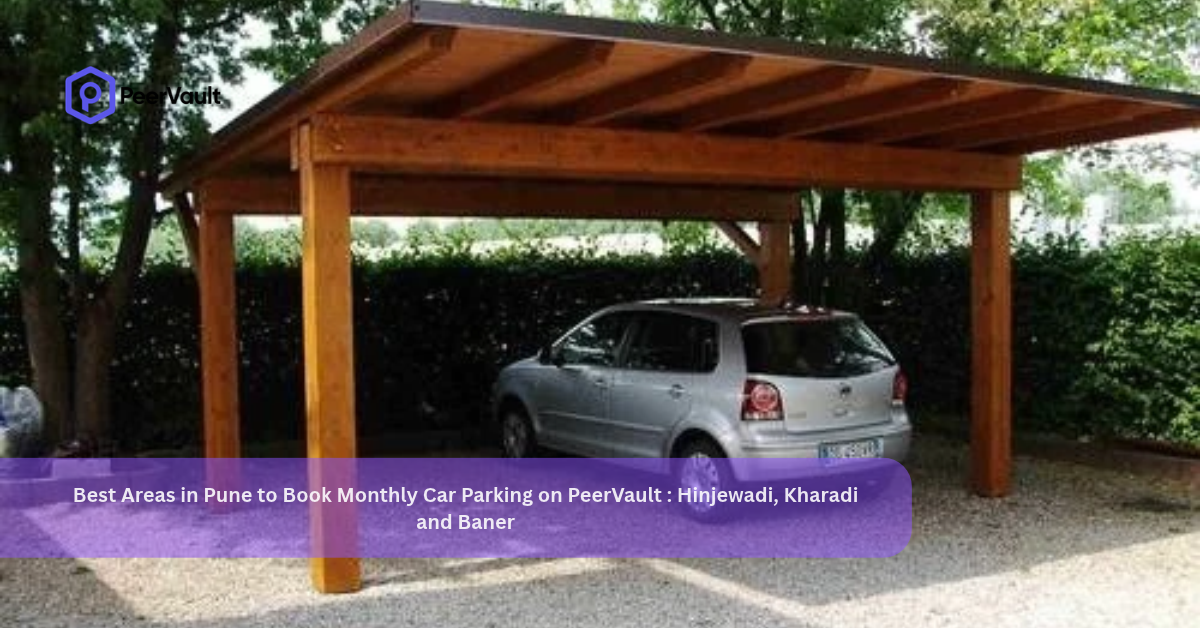
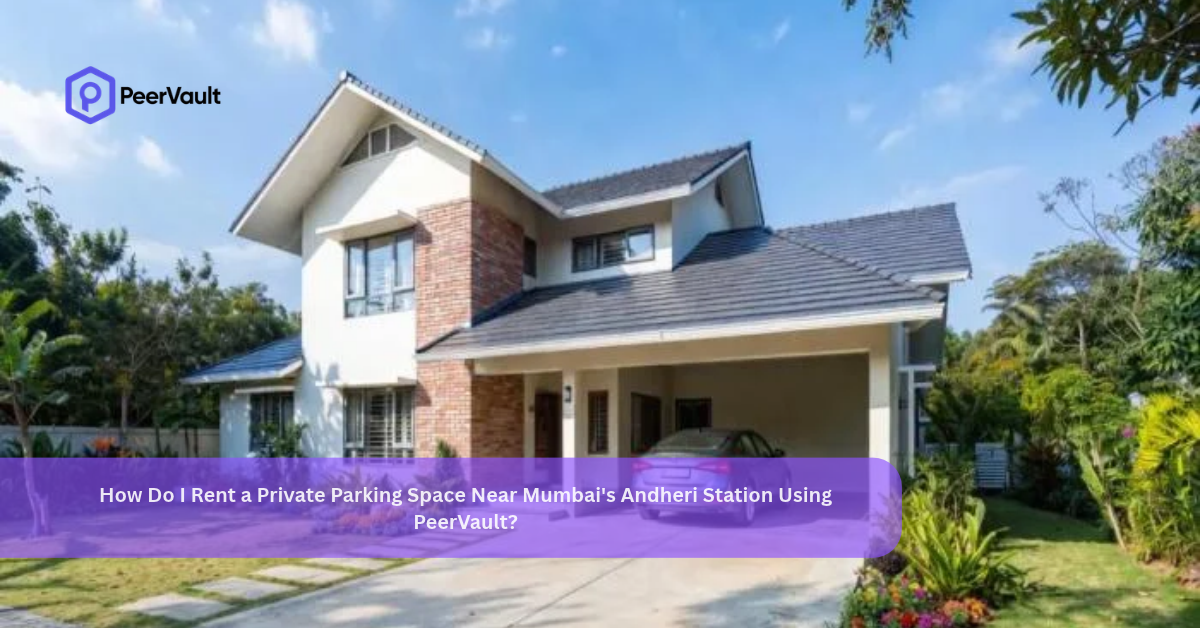
- Garage or covered parking a spare bay for a car or two-wheeler, especially valuable near colleges, hospitals, or the railway station where visitor and commuter parking is tight.
- Terrace or outdoor storage sheds good for seasonal household items, festival goods for traders, or furniture during a family’s own home renovation.
- Open yard or compound space useful for two-wheeler fleets, small trading stock, building materials, or even vehicles awaiting resale.
- Godown-style rooms or warehouse corners if your family has legacy commercial or agricultural storage space attached to the house, this is where the bigger monthly numbers in the ₹30,000–₹80,000 range (as seen in existing Hubballi listings) come from
What You Can Expect to Earn
Live listings on the platform give an honest range rather than a marketing number. In Hubballi specifically, warehouse-category listings have gone live at ₹82,000 per month for an 82×100 sq. ft. space and ₹37,200 per month for a 50×62 sq. ft. space, while a smaller car-parking listing elsewhere on the platform has rented for as little as ₹500 a week for a 10×15 indoor parking spot. Between those extremes sits the bulk of realistic listings: a single garage bay, a storage room, or a fenced yard corner which typically price in the low thousands per month depending on size, security, and access convenience.
Three factors move the number most :
1. Size and usability. A clean, dry, easily accessible space rents faster and at a better rate than an awkward or cluttered one.
2. Security features. Listings that highlight a private entrance, locked area, and security-camera monitoring tend to stand out, because renters are trusting a stranger’s property with their belongings.
3. Location relative to demand. Space near business districts, transport hubs, or residential clusters with small homes (where people are most likely to be short on storage) commands more interest than an isolated plot.
Trust and Safety : What Protects You as a Host
Handing a stranger access to part of your property is the natural hesitation, and PeerVault’s structure is built around addressing exactly that.
- Identity verification. Renters are asked to upload documents to verify their identity before a booking is confirmed. Broader guidance on the platform notes renters go through ID verification and background checks via PeerVault.
- Protection plans. PeerVault offers renters a comprehensive protection plan against financial losses from property damage, alongside customer support for questions or concerns. On the host side, the FAQ references a Host Guarantee and Payout Protection as built-in safeguards, though these are voided if a listing is misused for instance, allowing someone to live in a storage space.
- No off-platform deals. All payments must be made through PeerVault, which keeps transactions secure and traceable rather than left as informal cash arrangements.
- Rules you set. Storage listings are strictly for storing items renters are not permitted to live or work inside a listed space, which protects hosts from the liability and disruption of an informal tenancy forming inside what was meant to be a storage arrangement.
- Legal footing. Renting out unused space for storage or parking is a legitimate, legal activity in India as long as the space isn’t used for illegal goods or converted into residential use it doesn’t require the kind of paperwork a full commercial lease would.
Getting Your First Listing Live in Hubli : A Practical Checklist
1. Clear and photograph the space. Empty out unrelated clutter, take photos in good daylight, and capture the entry point, dimensions, and any security features.
2. Decide on access terms upfront. Will you hand over a key, install a separate lock, or be present for scheduled access? Decide this before listing so it’s clear in your description.
3. Price it by comparing nearby listings. Search PeerVault’s Hubballi and Dharwad listings for similar-sized spaces before setting your rate pricing close to the local going rate gets faster bookings than guessing.
4. Write an honest, specific description. Mention dimensions, whether it’s covered or open, ground floor or terrace, and any restrictions (no flammable goods, no livestock, etc.).
5. Register and submit for review. Create an account, click “Add Your Space,” fill in the listing form, and wait for the quick verification review before it goes live.
6. Respond quickly to enquiries. Hosts are expected to respond to booking requests within 24 hours fast replies build renter trust and improve your listing’s visibility.
7. Keep communication on-platform. Resist the urge to move to WhatsApp or phone calls before a booking is confirmed; PeerVault’s protections apply to conversations and payments made through the platform.
Who This Is Realistically Good For
- Retired homeowners with a garage or outbuilding no longer in daily use, looking for steady passive income without physical labour.
- Working professionals who commute and don’t need daytime access to a parking bay or storeroom.
- Families with legacy commercial space, a godown or warehouse corner tied to an older family business sitting idle between uses.
- Homeowners near colleges, hospitals, or the railway station, where parking demand from students, staff, and visitors is consistently high.
It’s a poor fit if you need frequent, unscheduled access to the same space, or if the area can’t be reasonably secured or separated from your main living quarters.
Frequently Asked Questions
Is it legal to rent out my garage or yard for storage in Hubli?
Yes. As long as the space isn’t used for illegal goods and isn’t converted into a residential unit, renting it out for storage or parking is a legitimate arrangement and doesn’t require the paperwork a commercial lease would.
Does PeerVault charge me to list my space?
Listing is free; PeerVault charges only a small service fee once you actually earn from a booking.
How do I get paid?
Payouts go directly to your bank account, typically once a month, processed through PeerVault’s payment partner rather than handled in cash between you and the renter.
What items are typically stored in a host’s space?
Common items include luggage, seasonal clothing, furniture, business stock, books, and equipment not vehicles being lived in, and not hazardous or illegal goods.
Can I say no to a booking request?
Yes as a host you set your own access rules and pricing, and you review each booking request before confirming it.
The Bottom Line
If you’re in Hubli sitting on a garage, terrace, storeroom, or yard that hasn’t earned you a rupee in years, the barrier to change that has gotten low. PeerVault handles the discovery, verification, messaging, and payment infrastructure. Your job is just to list the space honestly, set a fair price based on what similar spaces in the city are already earning, and respond promptly when someone’s interested. For space that was doing nothing anyway, even a modest few thousand rupees a month is pure upside.
Contact Us to explore how PeerVault can help turn your available space in Hubli into income.
Popular Posts