

What Can You Do With Unused Space? List It on PeerVault and Earn Income in Shivamogga

TL;DR :
Shivamogga homes are full of underused space, empty garages, spare rooms, storerooms, terraces that quietly cost money instead of earning it. Because the city is growing (students, small businesses, seasonal farm storage, tourists heading to Jog Falls) but still lacks formal storage/parking infrastructure, there’s real local demand for exactly this kind of space. PeerVault lets homeowners list it in minutes: add photos, set a price, approve renters, and get paid through the platform. Even modest spaces (a garage, a storeroom, one furnished room) can bring in steady supplementary income often enough to cover a utility bill or part of an EMI with low effort and no long-term commitment. Start with your least-used space, list it simply, and adjust as you go.
Walk into almost any home in Shivamogga and you’ll find at least one corner that isn’t really being used. A garage that hasn’t seen a car in years because the family upgraded to a bigger vehicle. A storeroom stacked with old furniture nobody wants to throw away. An extra bedroom that emptied out once the kids moved to Bengaluru or Mysuru for work. A terrace that stays locked except during Ganesh Chaturthi decorations.
None of this is unusual. It’s just how houses evolve over time. But here’s the part most people don’t think about: that unused space is quietly costing you money every single month, simply by sitting there doing nothing. Meanwhile, somewhere across town, a small business owner is hunting for a place to store inventory, a college student is looking for an affordable room near DVS College or JNNCE, or a traveling contractor working on the Sharavathi valley project needs short-term parking for a pickup truck.
This is exactly the gap that platforms like PeerVault are built to close, connecting people who have space they aren’t using with people who need exactly that kind of space, right here in Shivamogga.
If you’ve never thought about your garage, spare room, or basement as a source of income, this article will walk you through how it works, what kinds of spaces are in demand locally, what you can realistically earn, and how to get started without it becoming a second job.
The Idea Behind Space Sharing Isn’t New It’s Just Finally Organized
People have been renting out spare rooms and storage corners informally for decades. Your neighbor’s uncle probably rented out his shed to a mechanic in the 90s. What’s changed is that this used to depend entirely on word of mouth. It was necessary for you to know someone who knew someone. If you didn’t have that connection, your empty space just stayed empty.
Platforms built for peer-to-peer space listing remove that dependency. Instead of waiting for a friend of a friend to need storage, you list your space, set your price, and let people looking for exactly that type of space in your area find you. It turns something that used to luck-based into something predictable.
For a city like Shivamogga, this matters more than it might in a bigger metro. Commercial storage facilities and paid parking lots are still limited here compared to Bengaluru or Mangaluru. That shortage is actually an opportunity for homeowners because the demand for extra space exists, it’s just underserved.
Why Shivamogga Specifically Has Strong Demand for Extra Space
Shivamogga isn’t a sleepy town anymore. It’s grown into a genuine commercial and educational hub for the Malnad region, and that growth creates space needs in a few specific ways.
Students and working professionals moving in from surrounding taluks. Places like Sagar, Thirthahalli, Shikaripura, and Bhadravathi send a steady stream of students and young professionals into the city for education and work. Many of them need affordable rooms or storage for a semester or two, not a full year-long lease.
Agricultural cycles that create seasonal storage needs. Areca nut, coffee, and paddy farmers in the surrounding belt often need short-term storage closer to the city during harvest and market season, especially if they’re waiting for better prices before selling.
Small and growing businesses that don’t want long commercial leases. With Shivamogga’s airport development and improving connectivity, more small traders, e-commerce sellers, and service businesses have popped up. Many of them need a place to park a delivery vehicle, store extra inventory, or set up a small workshop without committing to a full commercial rental.
Tourism traffic heading toward Jog Falls, Kavaledurga, and Sharavathi backwaters. Travelers with campervans, bike groups, and trekking groups occasionally need secure overnight parking or short-term storage for gear.
Put all of this together, and you get a city where the demand for flexible, affordable space is real, even if it isn’t always visible from the outside.
Which Types of “Unused Space” Are Actually Valuable
People often assume that only a full spare room is worth listing. That’s not true at all. Here’s a more realistic picture of what tends to get booked.
Garages and Covered Parking
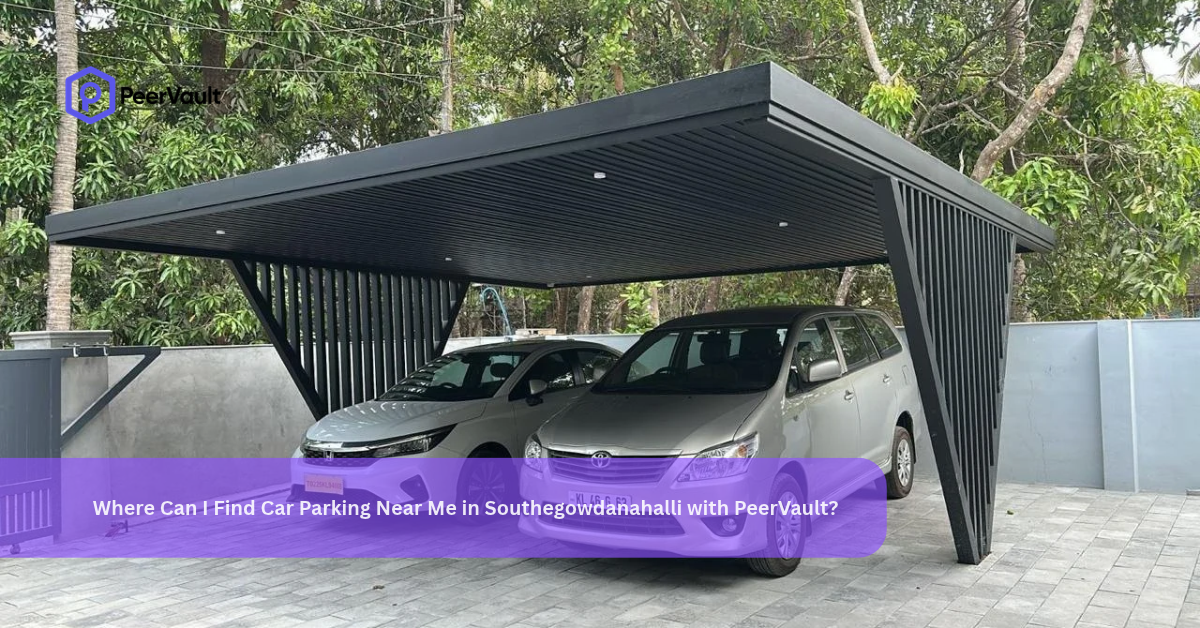
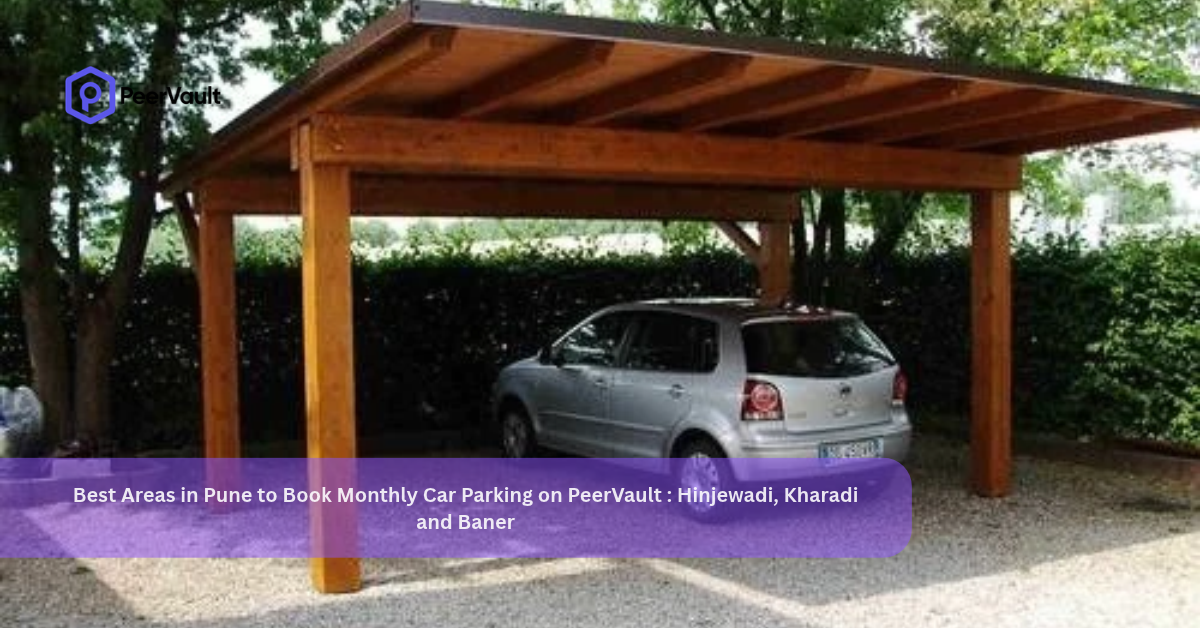
If your garage isn’t holding a vehicle, it’s probably one of the easiest spaces to monetize. Covered parking is in demand from people who’ve bought a second vehicle but don’t have space at their own home, from small businesses that need a spot for a delivery bike or auto, and from residents in apartment complexes where parking is tight.
Storerooms and Spare Cupboards
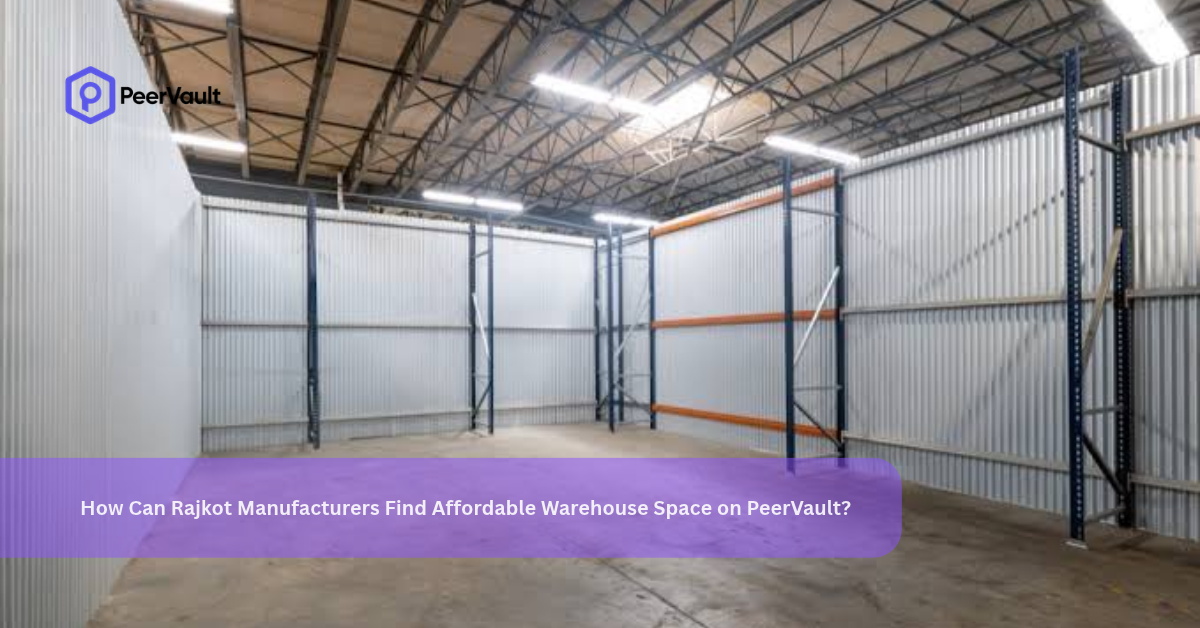
Not everyone needs a full room. A lot of demand actually comes from people who just need a dry, secure corner to store boxes, students storing luggage over a summer break, small sellers storing extra stock, or families in transition between homes who need short-term storage.
Spare Bedrooms
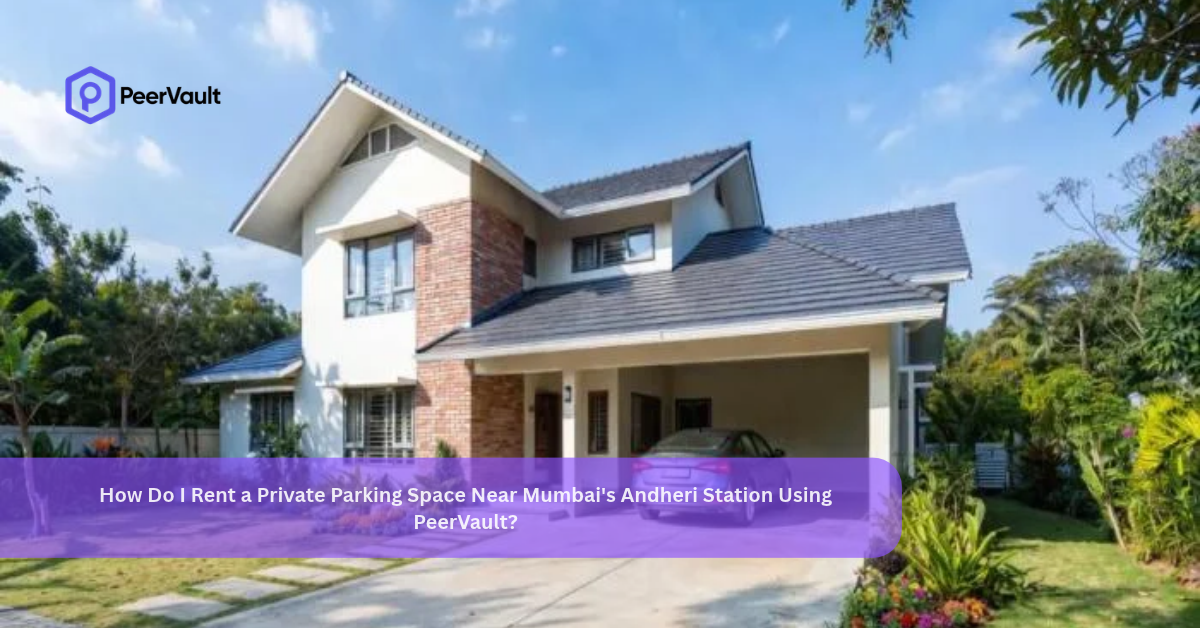
This is the most familiar category, and it works well for homeowners near colleges, hospitals, or the main business areas around Gopala Extension and Vinoba Nagar. Even one furnished room, rented out properly, can bring in steady monthly income.
Terraces and Open Yards
Underused open space has more value than people expect. A secure open yard can work for vehicle storage, for a small business needing outdoor space for materials, or even for short-term event use.
Basements and Ground-Floor Extra Rooms
If you have a semi-commercial ground floor space that’s just collecting dust, it can be attractive to small business owners looking for low-cost workspace, especially tailoring units, small repair shops, or home-based sellers who need a separate space from their living area.
The common thread across all of these: the space doesn’t need to be fancy. It needs to be dry, secure, and accessible. That’s it.
How Listing on PeerVault Actually Works
The process is designed to simple enough that you don’t need any technical background or prior experience renting out property.
You start by creating a listing for your space. This includes basic details what kind of space it is, its size, location, what it’s suitable for, and any access conditions. Here, photos are more important than most people realize. A well-lit photo showing that the space is clean and usable does more to attract bookings than a long written description.
Once your listing is live, people searching for space in your area can find it, see your price, and send a request. You get to decide who you accept; there’s no obligation to take every request that comes in. Payment is handled through the platform, so you’re not stuck chasing people down for cash or worrying about informal arrangements falling through.
Most hosts start with short-term listings to get a feel for it a month or two before deciding whether to open the space up for longer-term renters. There’s no pressure to commit your space permanently. You can pause or remove a listing whenever your own needs change, like if you suddenly need that garage back for a family visit.
Setting a Price That Actually Makes Sense
Pricing space is one of those things that feels harder than it actually is. The mistake most first-time hosts make is either pricing too low because they’re not confident anyone will pay, or pricing too high because they compare it to commercial rates in a bigger city.
A more useful approach is to think about it from three angles.
First, look at what similar spaces are going for in your part of Shivamogga. A garage near the city center will command a different price than one on the outskirts near NH-206. Second, think about what the space would cost the renter as an alternative if the only other option is a paid warehouse across town, your convenient, closer option has real value even at a slightly higher price. Third, be honest with yourself about the condition of the space. A dry, secure, easily accessible storeroom is worth more than one that floods slightly during monsoon or requires climbing over other stored items to reach.
It’s also worth starting slightly lower than you think is fair for your first listing or two. Early positive reviews are worth more than a few extra rupees, because they make every future listing perform better.
What You Can Realistically Earn
This depends heavily on the type of space, its location, and how consistently you keep it listed but here’s a grounded picture, not an inflated one.
A single covered parking spot in a decent location can bring in a modest but steady monthly amount, often enough to cover a chunk of a utility bill. A storeroom or spare cupboard used for short-term storage tends to earn less per booking but can stay occupied more consistently, especially around exam seasons or harvest time. A furnished spare room, rented to a student or working professional, is usually the highest earner of the group, particularly if it’s near an educational institution or a hospital.
None of this is going to replace a full-time income. But for most homeowners, it’s meaningful supplementary income from something that was previously worth zero rupees a month. Over a year, even a modestly priced space, booked consistently, adds up to a noticeable amount often enough to cover property tax, maintenance costs, or a chunk of a loan EMI.
Safety and Trust : The Part People Worry About Most
It’s a fair concern. Letting a stranger use part of your property isn’t something to take lightly, and any reasonable homeowner should think it through before listing.
A few practical habits go a long way here. Keep the shared space physically separated from your main living area wherever possible. A garage or a room with its own external access is naturally easier to manage than one that opens directly into your living room. Be clear and specific in your listing about access hours, what’s allowed, and what isn’t. Vague listings lead to misunderstandings, and misunderstandings lead to disputes.
Verified profiles and platform-based payments matter too. It’s much easier to trust an arrangement when there’s a paper trail and some accountability built in, rather than a cash handshake deal with someone you just met. Reviews from both sides host and renter build a track record over time, which makes future decisions easier for everyone.
It’s also completely reasonable to have a short conversation with a potential renter before accepting a booking. Ask what they plan to use the space for. Most people are upfront about it, and a quick conversation often tells you more than a written request ever will.
A Realistic Example
Think about a retired schoolteacher in Vinoba Nagar with a two-car garage but only one vehicle. For years, half of that garage held nothing but a broken cot and some old boxes. After clearing it out and listing it, a small business owner running a home-based tailoring supply operation started renting it for storage. It wasn’t a large amount of money, but it was consistent enough to cover a chunk of the monthly electricity bill, every single month, from a space that was previously earning nothing at all.
Or picture a family near Sahyadri College with a spare room after their daughter moved to Bengaluru for work. Rather than let it sit closed up and unused, they furnished it simply and rented it to a working professional who needed a quiet place close to their office. Beyond the income, they mentioned that having someone reliable in the house occasionally even added a small sense of security when they traveled.
These aren’t extraordinary cases. They’re just ordinary examples of space that was already there, put to use instead of sitting idle.
Getting Started : A Simple First Step
If you’re considering this, you don’t need to overhaul your whole house or make a big decision on day one. Start with the space that’s clearly the least used. Most people already know exactly which room, garage, or storage area that is without thinking too hard about it.
Clean it up, take a few clear photos in good daylight, write an honest description of what it’s suitable for, and list it at a fair starting price. Check out the level of interest it receives. You can always adjust the price, the terms, or even take the listing down entirely if it’s not working out for you.
The space isn’t going anywhere. It’s been sitting unused for months or years already. The only real cost of trying this out is a bit of time to clean up and photograph it and the potential upside is a new, steady stream of income from something you already own.
A Few Things Worth Sorting Out Before You List
Before you go ahead and put your space up, it helps to settle a few practical details in advance rather than figuring them out mid-booking.
Talk to your household first. If you live with family, a quick conversation about the plan avoids awkward surprises later, especially if the space you’re listing is close to shared areas like a hallway or courtyard everyone uses.
Check your housing society or landlord rules, if any apply. Most independent houses won’t have restrictions, but if you’re in an apartment complex or a rented property yourself, it’s worth a quick check so you’re not caught off guard.
Keep basic records of your earnings. Even modest side income is worth tracking. It doesn’t need to complicated; a simple note of what came in each month is enough to stay organized if you ever need to account for it.
Decide your comfort level in advance. Are you okay with someone accessing the space in the evenings? Do you want weekday-only access? Setting this boundary before your first booking, rather than after, saves you from having to renegotiate mid-arrangement.
None of these steps take long, but doing them upfront means your first booking goes smoothly instead of raising questions you hadn’t thought through yet.
Why This Fits Shivamogga’s Pace of Growth
It’s easy to assume that space-sharing platforms are built for big cities where real estate is scarce and expensive. But the truth is, they’re just as useful, arguably more useful in growing tier-2 cities like Shivamogga, where formal storage and short-term rental infrastructure hasn’t caught up with demand yet.
As the city continues to develop around its educational institutions, expanding road connectivity, and growing small business ecosystem, the gap between “people who need space” and “people who have space” is only going to widen. Homeowners who start listing early aren’t just earning a bit of extra income today, they’re also building a track record of reliable reviews that will make their listings even more attractive as demand in the city continues to grow.
There’s also a quieter benefit that doesn’t show up in any earnings estimate: unused space, left alone for long enough, tends to gather clutter, dust, and sometimes pests. Putting it to active use, even part-time, often means it stays cleaner and better maintained than it would otherwise.
Frequently Asked Questions
Do I need to renovate my space before listing it?
No. Most successful listings are simple, clean, and functional rather than renovated. What matters most is that the space is dry, secure, and accessible, not that it looks like a showroom.
Is it safe to let someone use part of my home?
It can be, if you take sensible precautions: verify who you’re renting to, keep the shared space separate from your private living area, be specific about access rules, and use platform-based payments rather than informal cash arrangements.
How much can I really earn from a single garage or storeroom?
It varies by location and demand, but even modest spaces near colleges, business areas, or main roads in Shivamogga can generate steady supplementary income often enough to offset a utility bill or a portion of monthly maintenance costs.
What happens if I suddenly need my space back?
Most listings can paused or set for short durations, so you’re not locked into a long-term commitment. It’s a good idea to be upfront about availability when you first list the space.
Do I need to be present when someone uses the space?
Not necessarily, especially for storage or parking. For shared living spaces, many hosts prefer being on the property, at least initially, until they’re comfortable with the arrangement.
The Bottom Line
Unused space isn’t a problem to ignore, it’s an asset that’s overlooked. Shivamogga’s growth as an education, business, and travel hub means that the demand for flexible, affordable space is only going to increase. Listing your garage, storeroom, or spare room on PeerVault is a low-effort way to turn something that currently earns you nothing into something that quietly adds to your monthly income, without disrupting your life or requiring a major commitment.
Take a look around your own property. There’s a good chance you already know exactly which space has been sitting idle. That’s the one worth listing first.
Turn your unused space into income. Contact Us to know how.
Popular Posts