

How Do People in Bengaluru Turn Unused Space at Home into a Source of Income by Renting to Small Businesses?
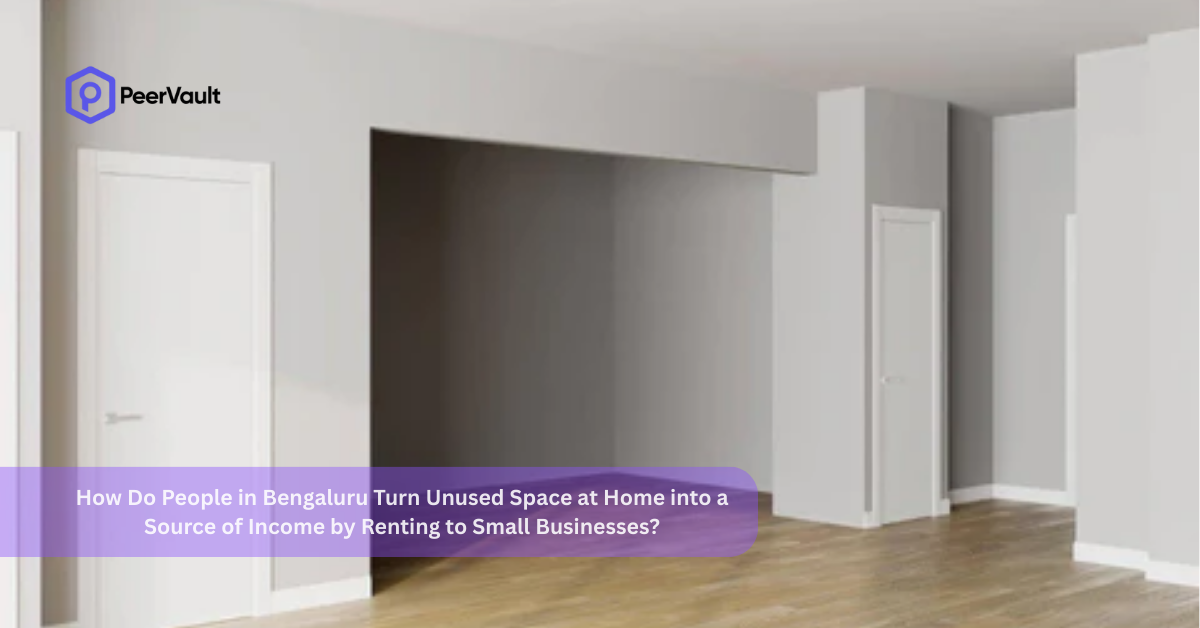
People in Bengaluru earn income from unused home space by renting spare rooms, garages, terraces, and ground floors to small businesses such as startups, online sellers, service providers, and local offices. By using flexible rental terms, legal agreements, and digital discovery platforms, homeowners convert idle space into steady monthly income without selling property or making major investments.
Why Is Unused Home Space So Common in Bengaluru?
Unused residential space is common in Bengaluru because housing growth has outpaced family size and usage needs.
Many homes were built with future expansion in mind, but those rooms now sit empty.
Key reasons this happens :
- Families move abroad or to other cities for work
- Independent houses have unused ground floors
- Garages are no longer used for parking
- Extra rooms were built for future children or parents
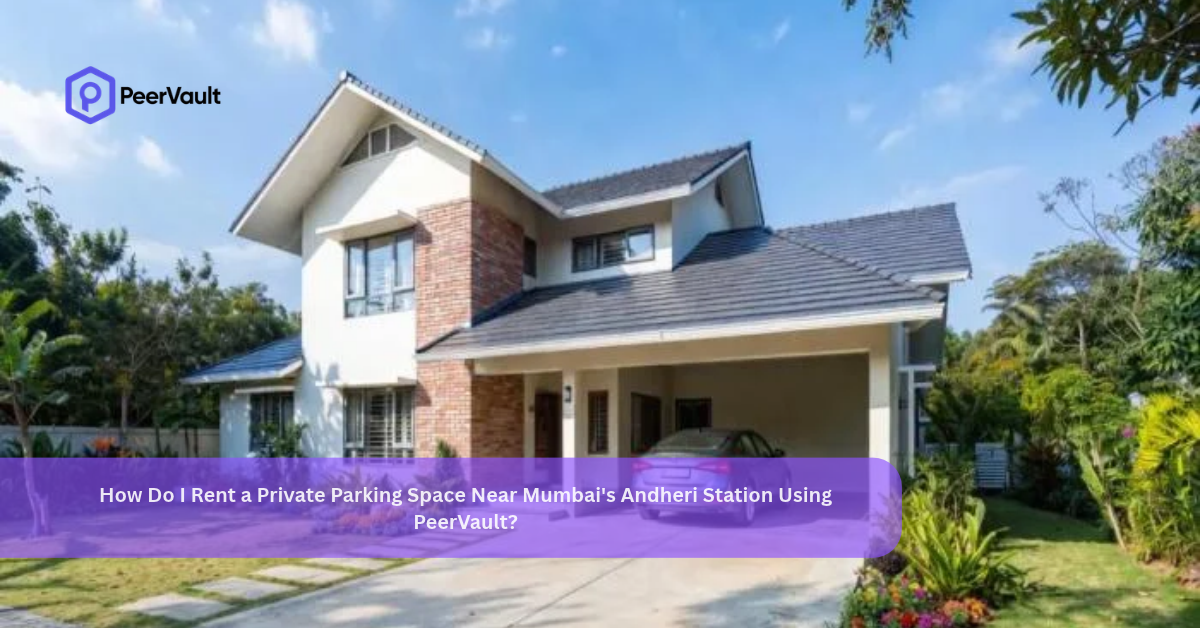
- Villas and duplex homes have surplus space
In a city driven by tech jobs and frequent relocation, empty space has become a silent asset waiting to be monetized.
What Types of Home Spaces Are Being Rented to Small Businesses?
Almost any safe, accessible, and enclosed residential space can be rented to a small business in Bengaluru.
Homeowners are no longer limited to renting entire houses.
Commonly rented home spaces:
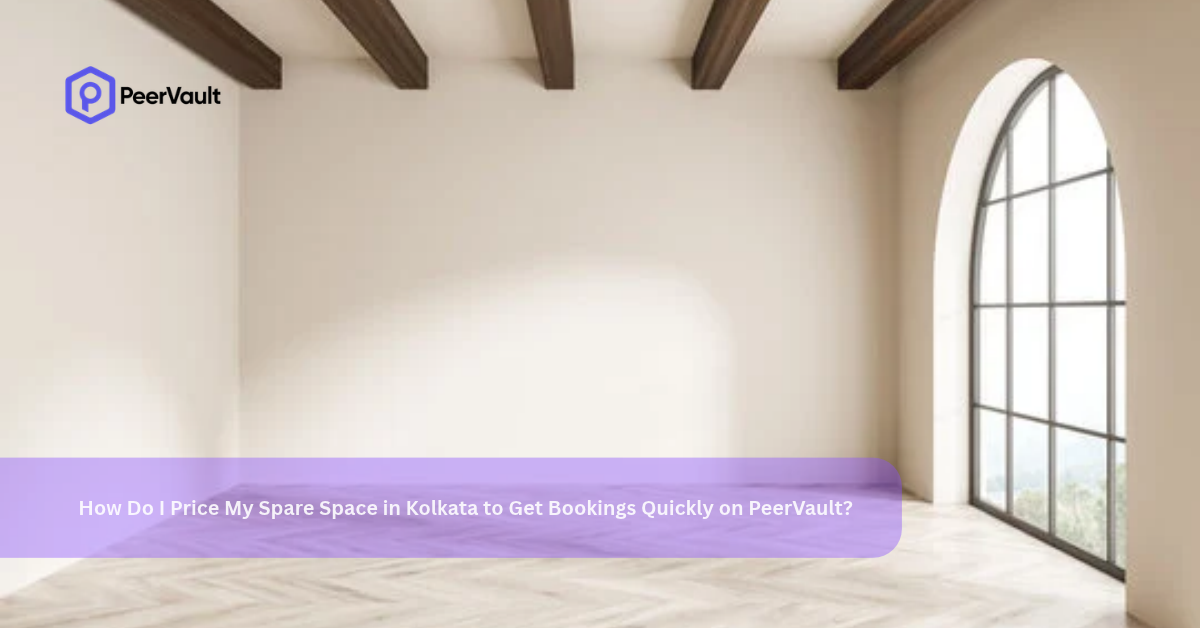
- Spare bedrooms
- Ground-floor portions
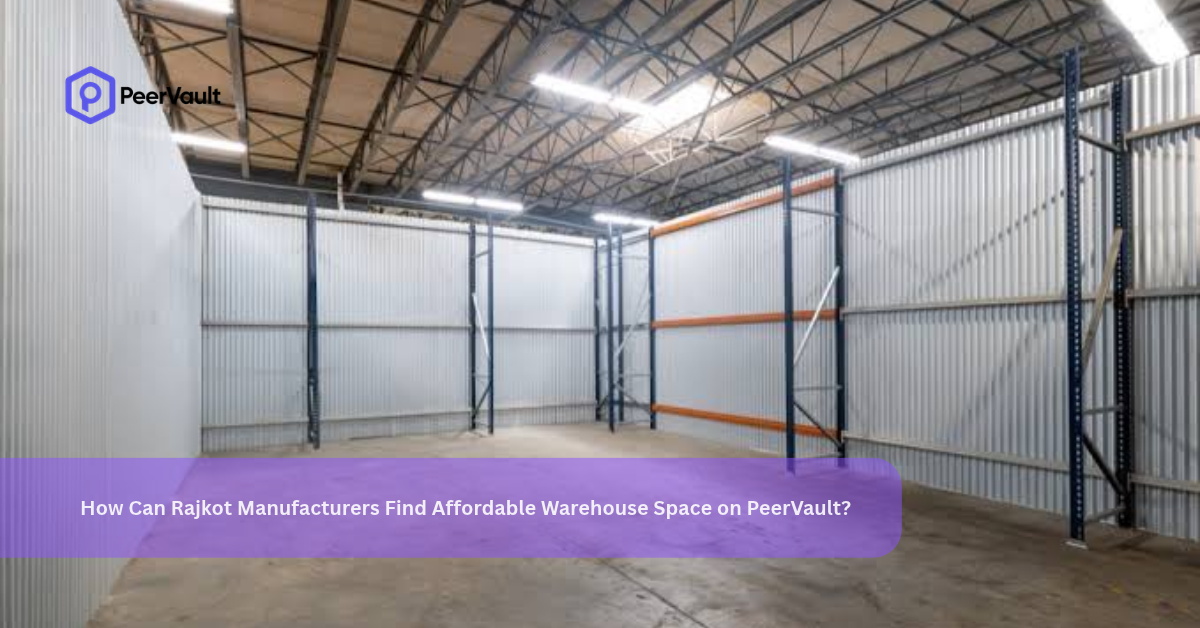
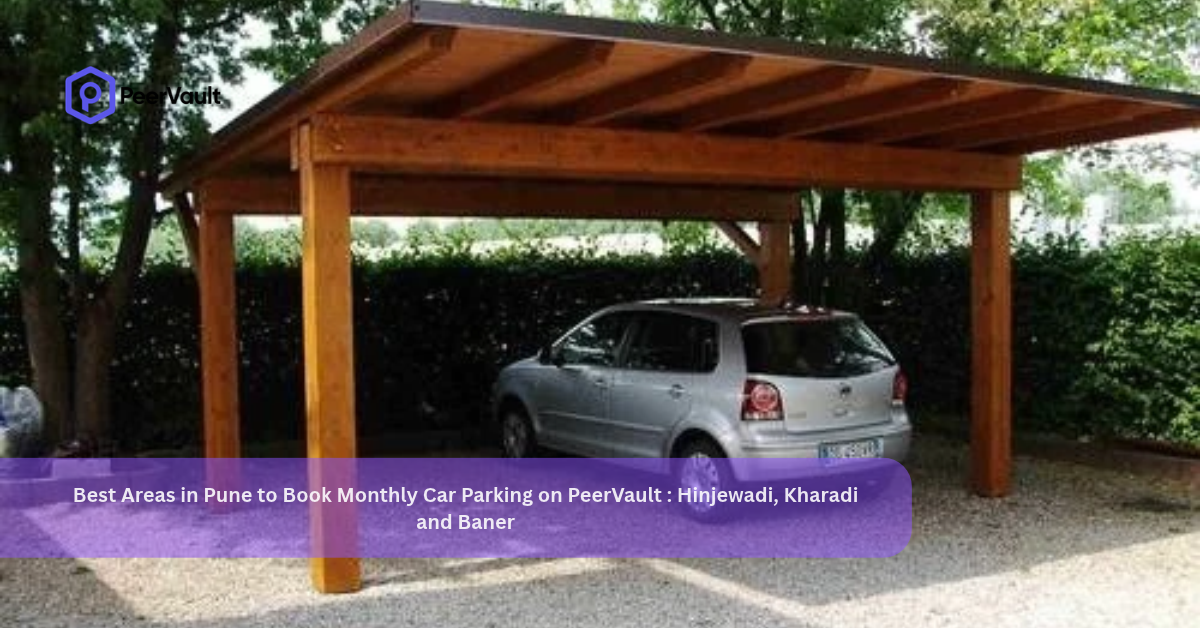
- Garages and covered parking areas
- Store rooms and utility rooms
- Terraces (covered or semi-covered)
- Basements in independent houses
These spaces work especially well for low-footfall, low-noise businesses, which Bengaluru has plenty of.
What Kind of Small Businesses Rent Residential Spaces?
Small businesses prefer residential spaces because they are affordable, flexible, and closer to customers.
This trend accelerated after remote work and e-commerce growth.
Businesses commonly renting home spaces:
- Online sellers & resellers (storage + packing)
- Freelancers and consultants
- Home-based startups
- Tuition centers (small batches)
- Tailoring and boutique units
- Digital marketing agencies
- Repair services (electronics, appliances)
- Architects, designers, and CA offices
These businesses don’t need prime commercial property—they need clean, secure, affordable space.
How Much Income Can Homeowners Earn from Unused Space?
Income depends on location, size, access, and usage type but even small spaces generate steady cash flow.
Typical monthly earning ranges in Bengaluru :
- Spare room: ₹6,000 – ₹15,000
- Garage or storage space: ₹5,000 – ₹12,000
- Ground floor portion: ₹15,000 – ₹35,000
- Basement or terrace space: ₹8,000 – ₹25,000
Cliffhanger for clicks :
Two homeowners in the same area can earn very different income from similar spaces based on how they position and list it. We break that down later.
Why Small Businesses Prefer Renting from Homeowners
Small businesses choose residential rentals because they remove high upfront costs and long lock-ins.
Benefits for small businesses:
- Lower rent than commercial spaces
- Short-term and flexible agreements
- Less bureaucracy and deposits
- Locations inside residential demand zones
- Easier parking and access
- Ability to scale gradually
This demand makes homeowners unexpected partners in Bengaluru’s small business economy.
Is It Legal to Rent Home Space to a Business in Bengaluru?
Yes, it is legal in most cases but usage must stay within residential norms.
What is generally allowed:
- Storage
- Office work
- Consulting services
- Online selling operations
- Low-noise professional services
What usually needs permission or is restricted:
- Heavy manufacturing
- Loud machinery
- High customer footfall
- Hazardous materials
Most homeowners use :
- Rental or license agreements
- Local association approval (if applicable)
- Utility usage clarity (electricity, water)
Important : Legal clarity builds trust and trust attracts better tenants.
How Do Homeowners Find Small Business Tenants?
Homeowners today use a mix of digital platforms, referrals, and local networks.
Common discovery methods :
- Local WhatsApp groups
- Word-of-mouth referrals
- Social media community posts
- Classified platforms
- Dedicated space-sharing platforms
- Notices in apartment communities
The shift from “house for rent” to “space for purpose” has widened the tenant pool dramatically.
What Makes a Home Space Attractive to Businesses?
Businesses don’t look for luxury they look for functionality.
Features that increase rental value :
- Independent access
- Clear entry/exit timings
- Power backup or stable electricity
- Basic ventilation and lighting
- Storage-friendly layout
- Ground-floor or easy access
Experience insight :
A clean, well-photographed 120 sq ft space often outperforms a cluttered 300 sq ft room.
How Do Homeowners Minimize Risk While Renting Space?
Risk is minimized through clarity, boundaries, and written agreements.
Best practices homeowners follow:
- Define allowed usage clearly
- Fix working hours in writing
- Use short-term renewable agreements
- Separate utility billing if possible
- Keep security deposits proportional
- Avoid cash-only arrangements
These steps protect both income and peace of mind.
How Renting Unused Space Benefits Bengaluru as a City
This model reduces pressure on commercial real estate and supports local entrepreneurship.
City-level benefits :
- Lower startup costs
- Reduced urban sprawl
- Better utilization of built space
- Less traffic to business districts
- Stronger neighborhood economies
Bengaluru’s future isn’t just tech parks—it’s distributed, neighborhood-based business ecosystems.
What Are the Common Mistakes Homeowners Make?
Most income loss comes from poor positioning, not bad tenants.
Mistakes to avoid :
- Underpricing due to lack of awareness
- Not specifying business usage clearly
- Ignoring insurance and liability
- Allowing unlimited access
- Not documenting terms properly
Opinion (Human Value) :
Treat your space like a micro-asset, not a favor—you’ll attract better tenants instantly.
Can This Become a Long-Term Income Source?
Yes. Many homeowners turn unused space into semi-passive, long-term income.
Some even:
- Rent to multiple small businesses
- Upgrade spaces gradually
- Use income to pay EMIs or maintenance
- Retain ownership while monetizing asset value
This model is especially powerful for retirees, remote workers, and inherited property owners.
Checklist: Turning Unused Home Space into Income
Quick reference for homeowners:
- Identify unused space
- Decide allowed business type
- Clean and document the space
- Set fair monthly pricing
- Create a simple agreement
- List it where businesses search
- Review usage periodically
Final Takeaway
People in Bengaluru turn unused home space into income by aligning idle residential areas with the real needs of small businesses flexibility, affordability, and proximity.
By structuring agreements clearly, pricing smartly, and positioning spaces correctly, homeowners unlock consistent revenue while supporting the city’s entrepreneurial growth.
Want to earn from your extra home space? Contact us for safe rental options.
Popular Posts